Trump’s Economy Crumbles: Profits Soar Amidst Public Hardship
New economic data reveals unexpected job losses and rising unemployment, starkly contrasting with official narratives. The analysis questions leadership priorities as reports indicate personal enrichment for the administration amidst public hardship.

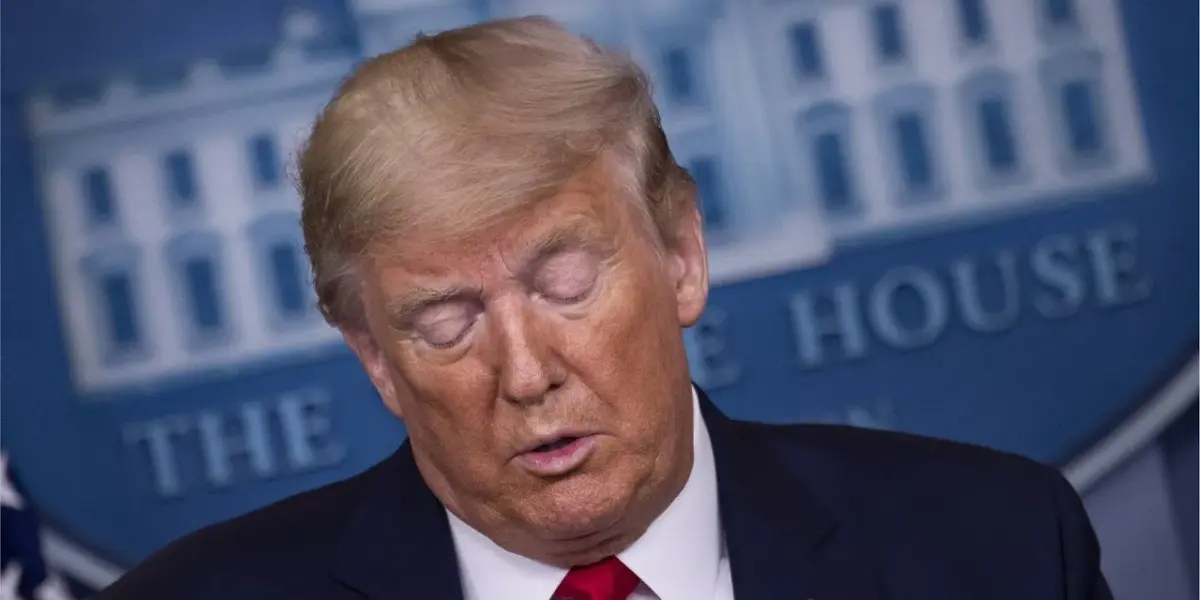
Trump’s Economic Policies Under Scrutiny Amidst Job Losses and Rising Costs
Recent economic data paints a grim picture for the American economy, with unexpected job losses and a rising unemployment rate casting a shadow over the nation. While the administration attempts to spin these developments as minor setbacks, a closer examination of the figures and the broader economic landscape suggests a more troubling reality: a presidency seemingly profiting while its citizens face increasing hardship.
Devastating Economic Indicators Emerge
The latest reports reveal that the U.S. economy unexpectedly lost 92,000 jobs in February, a figure that has startled economists and policymakers alike. Compounding this dismal news, the unemployment rate has inched higher, reaching 4.4%. These numbers stand in stark contrast to the optimistic projections often put forth by the administration, suggesting a significant disconnect between official narratives and economic reality.
The severity of this economic downturn is underscored by reactions from various media outlets. Described as “much worse than expected” and “ugly across the board,” the jobs report has been met with widespread concern. The transcript highlights a sentiment that in the last ten months, the economy has stagnated, with no net job growth attributed to the current administration’s policies, particularly its controversial tariff strategies.
Administration’s Defense and Public Perception
In the face of such negative economic news, the administration’s response has been to offer a lesson in “perspective.” Officials have attempted to downplay the severity of the job losses, suggesting that the overall economic picture remains positive and that the current situation is an improvement over previous administrations. However, these claims are directly contradicted by available data, which indicates that the previous administration, led by Joe Biden, saw an average of 400,000 jobs added per month. This stark difference suggests that the last year of the current presidency has performed worse than a single month under Biden’s tenure.
The administration’s attempts to reframe the economic narrative have been likened to a doctor recommending cigarettes, implying a dangerous disregard for the facts in favor of a misleadingly positive outlook. Despite the official spin, the reality on the ground for many Americans is one of non-hiring and economic uncertainty. The promise of a booming economy with widespread job opportunities, even in sectors like tech, retail, and hospitality, seems increasingly distant.
Rising Gas Prices and Foreign Policy Entanglements
The economic woes extend beyond job losses, with gas prices experiencing a significant spike of nearly 9% since the decision to engage in conflict with Iran. The administration’s response to rising gas prices has been to assert that these are “short-term problems” that will quickly resolve. However, the current high costs at the pump suggest otherwise, and the framing of these issues as minor inconveniences is met with skepticism.
The administration’s approach to foreign policy, particularly its involvement in conflicts in the Middle East, is presented as a key driver of these economic pressures. The transcript wryly notes the administration’s tendency to frame these complex geopolitical situations as “short-term problems,” drawing parallels to historical conflicts that have spanned decades. This framing is juxtaposed with the administration’s use of patriotic propaganda, including videos that leverage movie scenes to evoke a sense of national pride, despite the underlying economic distress.
Broken Promises and Personal Enrichment
The core of the criticism leveled against the administration lies in the perceived betrayal of campaign promises. Promises to transform economic nightmares into miracles, create jobs, lower costs, and avoid unnecessary wars appear to have been largely unfulfilled. Instead, the narrative suggests that the economic situation has worsened, and the nation has been drawn into costly foreign entanglements.
In sharp contrast to the struggles faced by ordinary Americans, Donald Trump and his family have reportedly experienced significant financial gains. The transcript highlights substantial profits, estimated at $4 billion, derived from foreign real estate deals, cryptocurrency ventures, and the licensing of Trump’s name to various products. The recent Melania Trump documentary, licensed by Amazon for $40 million, further exemplifies this trend of personal enrichment.
This situation is particularly galling given that Trump ran on a platform of rooting out corruption and prioritizing American interests. The apparent use of the presidency to amass personal wealth while asking citizens to make sacrifices is viewed as deeply hypocritical and deplorable. The administration is accused of duping millions into believing in its commitment to their well-being, only for their lives to demonstrably worsen while Trump’s wealth continues to grow.
The Broader Implications and Future Outlook
The economic data and the administration’s response raise critical questions about leadership, accountability, and the priorities of those in power. The narrative presented suggests a pattern of prioritizing personal gain over public welfare, a stark departure from the “America First” rhetoric that characterized Trump’s campaign.
The transcript also touches upon the broader political environment, including the potential for social media platforms to suppress critical voices and the reliance of independent media on the goodwill of tech billionaires. This highlights the challenges faced by journalists and content creators in holding power accountable in the digital age.
Ultimately, the analysis presented is one of a stark dichotomy: a presidency that appears to profit immensely from its position, while the average American grapples with diminished economic security and rising costs. The disconnect between the administration’s public relations efforts and the tangible economic realities faced by citizens underscores a profound crisis of trust and a worrying trend of self-enrichment at the expense of the nation.
Why This Matters
This analysis is crucial because it directly confronts the efficacy and integrity of economic leadership. The discrepancy between official narratives and observable economic hardship for the populace is a significant indicator of potential policy failures or, more disturbingly, deliberate self-interest. The implications extend to public trust in institutions, the fairness of economic systems, and the very definition of effective governance. If leaders appear to profit while their constituents suffer, it erodes the social contract and can lead to widespread disillusionment and instability. Understanding this dynamic is vital for informed citizenship and for holding elected officials accountable to the promises they make and the well-being of the nation they are sworn to serve.
Historical Context and Trends
Historically, economic performance has been a cornerstone of presidential approval. Presidents are often judged by their ability to foster job growth, control inflation, and ensure general prosperity. Major economic downturns or periods of stagnation have frequently led to shifts in political power. The current situation, as described, evokes comparisons to past administrations that faced criticism for economic mismanagement or for policies that appeared to benefit a select few over the many. The trend of political figures leveraging public office for personal financial gain is a recurring theme in history, often leading to public outcry and demands for reform. The specific context here, involving global economic pressures, geopolitical conflicts, and the rise of digital media influencing public perception, adds layers of complexity to this historical pattern.
Future Outlook
The future outlook hinges on whether the economic trends continue to worsen or if policy interventions can effectively reverse the current trajectory. The administration’s approach to foreign policy and its impact on domestic economic stability, particularly energy prices, will be critical factors. Furthermore, the ability of independent media and engaged citizens to critically assess and disseminate information will play a significant role in shaping public opinion and demanding accountability. The potential for continued personal enrichment by those in power, juxtaposed with ongoing public hardship, poses a significant risk to democratic norms and economic fairness. The long-term consequences could include increased social division, decreased civic engagement, and a lasting distrust in political and economic systems.
Source: Trump ROCKED by devastating news | Another Day (YouTube)

Related Articles
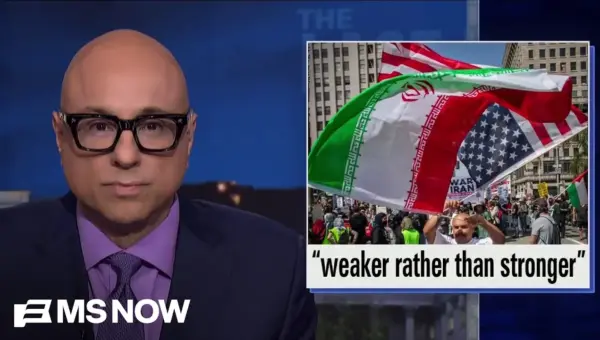
Trump’s War Sparks Public Outrage, Questions Nation’s Strength
President Trump's initiation of a war with Iran, lacking public support, has sparked widespread concern and damaged national morale. Critics argue the conflict is weakening the U.S. and is driven by a performative display of strength rather than strategic necessity.
Trump’s Economy Crumbles Under War and Tariffs
New job numbers reveal a devastating loss of 100,000 jobs in February, a sharp contrast to economist expectations and a blow to the administration's economic narrative. Escalating geopolitical tensions and tariffs are cited as major contributors to this downturn, impacting key sectors and financial markets.

US Strikes Iran School: ‘Moral Abomination,’ Calls Analyst
A devastating airstrike on an Iranian girls' elementary school, reportedly by U.S. forces, has killed at least 165 people, mostly children. Analysts are condemning the incident as a "moral abomination and tactically stupid," citing an aggressive military ethos and potentially flawed targeting processes. The war's growing civilian toll is fueling domestic opposition and raising serious questions about U.S. strategy and objectives.