Trump’s Easter Speech: A Bizarre Address to Children
Donald Trump's recent appearance at the White House Easter Egg Roll sparked controversy. He delivered an unusual speech to children about military rescues and political matters, later discussing autograph values and President Biden's autopen. This has led to debates about appropriateness and parental responsibility.

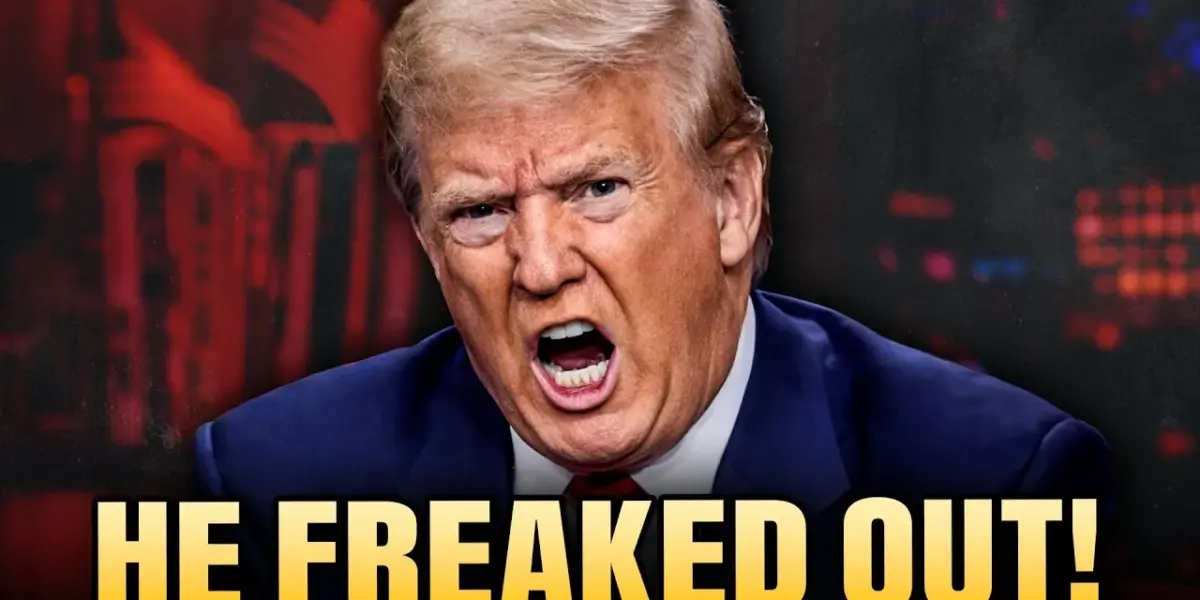
Trump’s Easter Speech: A Bizarre Address to Children
The annual White House Easter Egg Roll is usually a time for family fun and playful traditions. However, this year’s event took a strange turn when former President Donald Trump addressed the crowd, including many young children, with a speech that veered sharply into political grievances and military talk. This unexpected turn has raised questions about appropriateness and the purpose of such a public address.
A Speech Meant for Kids?
On a sunny Monday, while children gathered with their Easter baskets, Trump stood on a balcony, the Easter Bunny beside him, and began to speak. Instead of lighthearted remarks, he launched into an explanation of a military rescue operation. He spoke about operating in “hostile territory” and the dangers of rescuing downed pilots. Trump detailed how difficult such missions are, explaining that losing “200” people to save “one” would be a “horrible thing.” He then highlighted a recent operation where “two” pilots were successfully rescued, noting that the mission was kept quiet to ensure success.
“When you’re in very hostile territory… you don’t mind when the enemy is weak, but the enemy is strong. Not so strong like they were about a month ago, I can tell you. In fact, right now, they’re not too strong at all in my opinion.”
He continued by mentioning a news conference planned for later that day and referenced events in Venezuela, stating he had “built it” during his first term. The speech, delivered to an audience of young children, seemed out of place. Many observers felt the complex military and political topics were not suitable for elementary schoolers, who were likely more interested in the Easter activities around them.
Autographs and Autopens: A Strange Detour
The unusual nature of the speech didn’t end there. Later, while mingling with children, Trump reportedly offered autographs. He told the kids they could sell his signature for “$25,000 on eBay.” He then contrasted this with President Biden, claiming Biden would use an “autopan,” a machine to sign documents. Trump described it as a “big machine” that followed Biden around, signing his name for him. This discussion about presidential signatures and potential online resale value was directed at very young children.
“Do you want an autograph? I can give you an autograph. You can sell it for $25,000 on eBay.”
This part of the interaction, happening directly with children on the ground, seemed to be a continuation of his broader political messaging. Critics argue that bringing children into such political narratives, especially during a festive event, is inappropriate. The comparison between his own signature and Biden’s use of an autopen, framed for young minds, highlights a pattern of political commentary that many find unsuitable for a child-focused event.
Parental Responsibility and Public Outcry
The speaker in the original video expressed strong opinions about parents who brought their children to the event. The argument is that knowing Trump’s public persona and recent controversies, such as his connection to the Epstein files and recent political statements, parents should have reconsidered attending. The speaker believes that exposing children to such figures and rhetoric constitutes poor parenting and suggests that parents who did so should face public criticism, even questioning their fitness to have custody of their children.
“If you brought your kid there, knowing what we know about this man, you should lose custody of your children. You are an unfit parent.”
This perspective emphasizes a deep concern for protecting children from what the speaker views as harmful influences. While the Easter Egg Roll is a White House tradition, the speaker argues that the specific circumstances and the nature of Trump’s address made it an unsafe or unsuitable environment for children. This viewpoint sparks a debate about parental choices, public figures’ responsibilities, and the boundaries of political discourse in family-oriented settings.
Why This Matters
The incident at the Easter Egg Roll raises important questions about the appropriate use of public platforms, especially when children are present. It highlights the ongoing debate about political figures engaging in partisan rhetoric in settings typically reserved for neutral, family-friendly activities. The event underscores the tension between tradition and the current political climate, and the differing views on what constitutes suitable content for young audiences. It also brings attention to the role of parents in curating their children’s experiences and the public’s reaction to those choices.
Historical Context and Future Outlook
The White House Easter Egg Roll has a long history, dating back to 1878. It has traditionally been an event focused on children’s activities, often featuring the First Family in a relaxed, celebratory role. While presidents have sometimes made remarks, the nature and content of Trump’s address appear to deviate significantly from the lighthearted spirit usually associated with the event. In an era of constant political polarization, such moments can become flashpoints, reflecting broader societal divisions. Looking ahead, it remains to be seen whether future administrations will place a stronger emphasis on maintaining the apolitical nature of such traditional events or if political messaging will continue to find its way into family gatherings. The incident serves as a reminder of how political figures interact with the public and the lasting impact of their words, especially when delivered to impressionable young minds.
Source: Trump Goes CRAZY In Front of Children (YouTube)

Related Articles
Trump’s Nuclear Threats Spark GOP Exodus, Critics Warn of War Crimes
Former President Donald Trump's extreme threats against Iran have sparked widespread condemnation, even from his usual allies. Commentators and politicians are warning of potential war crimes and calling for his removal from office. This situation highlights concerns about unchecked executive power and the GOP's role in enabling it.
Trump’s Iran Threat: War Crimes or Diplomacy?
President Trump's threats to 'decimate' Iranian infrastructure have raised alarms about war crimes and a major escalation in the Middle East. With civilians reportedly forming human shields, international law experts and analysts debate the president's motives and the potential consequences.

Trump’s Iran Deadline Backfires, Exposing Global Humiliation
Then-President Trump's extreme threats against Iran, including a "civilization ending deadline," backfired by undermining US credibility. His shifting ultimatums and the disbelief from his own supporters exposed a loss of global standing, creating long-term damage to America's reputation.