Trump’s Easter Rant: A Disturbing Display for Children
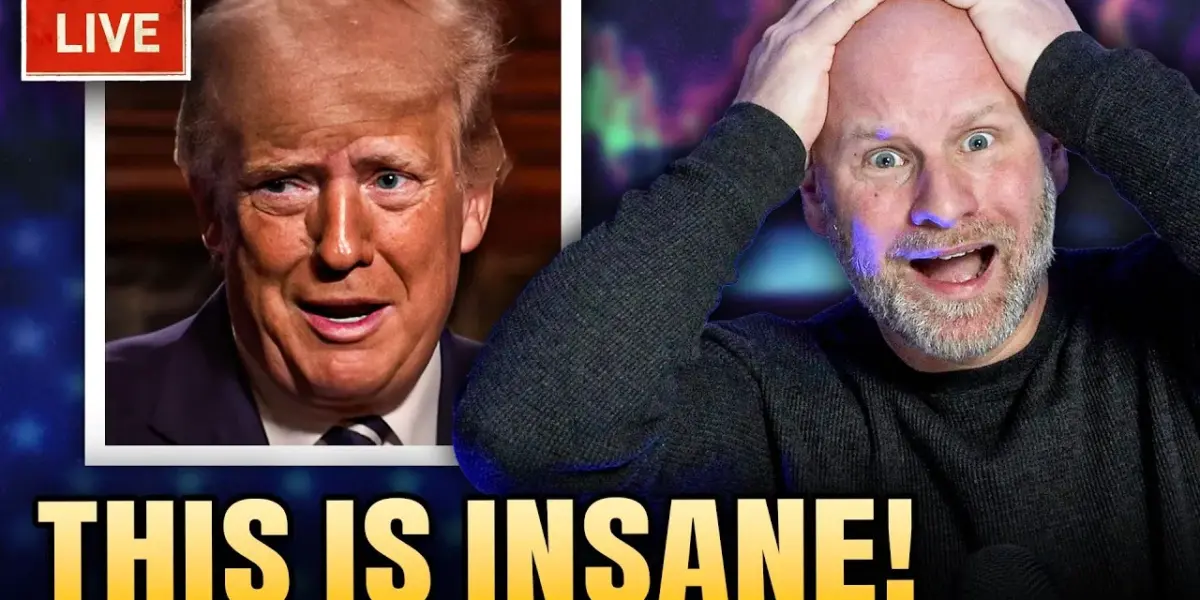
Donald Trump reportedly delivered a negative and politically charged speech to children at the White House Easter Egg Roll. The incident, which included complaints about failures and attacks on Joe Biden, has drawn criticism for its inappropriateness in a family setting. The event highlights broader concerns about political rhetoric and leadership conduct.

Trump’s Easter Rant: A Disturbing Display for Children
During a recent Easter Egg Roll at the White House, an event typically filled with joy and family fun, former President Donald Trump reportedly took a turn towards negativity. Instead of focusing on the festive atmosphere, he allegedly launched into a tirade directed at children. The content of this rant, as described, included complaints about his perceived failures and attacks on President Joe Biden. This unexpected shift in tone has raised serious questions about the appropriateness of such behavior at a public event designed for young attendees.
A Deviation from Tradition
The Easter Egg Roll is a long-standing tradition, meant to be a lighthearted occasion. However, reports suggest that Trump used this platform to express personal grievances and political criticisms. This included what was described as whining about his own failures and complaining about what he termed “fake news.” Such topics are generally considered unsuitable for young children, especially in a setting that should be celebratory.
The source of this account, Farron Cousins, expressed strong disapproval, suggesting that parents who brought their children to the event should feel ashamed. This sentiment highlights the perceived disconnect between the expected atmosphere of the event and the reported actions of the former president.
Broader Political Context
Beyond the immediate event, the transcript touches upon other controversial statements and actions attributed to Trump. One notable point is an alleged “insane plan to arm Iranian citizens.” This idea, if accurate, would represent a highly unconventional and potentially destabilizing foreign policy approach. The specifics of such a plan are not detailed, but the mere mention suggests a willingness to consider extreme measures in international relations.
The transcript also briefly mentions internal political struggles within the Democratic party, specifically a dispute over Hasan Piker. While not directly related to Trump’s actions, it points to ongoing political divisions and debates happening across the spectrum. Additionally, there is a claim that Trump “tricked TSA workers into thinking they’ll get paid.” This alleges a deceptive tactic, raising concerns about his interactions with government employees and the transparency of his dealings.
Historical Parallels and Public Perception
Donald Trump’s presidency was often marked by unconventional communication styles and a willingness to challenge political norms. His use of rallies and public appearances to express personal opinions and attack opponents was a consistent feature of his time in office and has continued since. This event at the Easter Egg Roll can be seen as part of a pattern of using public platforms for personal and political expression, sometimes in ways that critics find inappropriate or concerning.
Historically, presidential appearances at events like the Easter Egg Roll have been carefully managed to project an image of unity, calm, and national pride. Deviations from this norm often draw significant attention and criticism. The reported behavior at the Easter Egg Roll, therefore, stands out as a particularly striking example of this departure from traditional presidential conduct.
Why This Matters
The incident at the Easter Egg Roll raises important questions about leadership, public decorum, and the impact of political rhetoric on children. When a prominent political figure uses a family-friendly event to express negativity and political grievances, it can send a confusing or even harmful message to young minds. It blurs the lines between personal political campaigns and national celebrations, potentially normalizing confrontational or divisive discourse in inappropriate settings.
Furthermore, the alleged “insane plan to arm Iranian citizens” and the reported deception of TSA workers highlight concerns about judgment and ethical conduct. These actions, if substantiated, have implications not only for domestic politics but also for international stability and the trust placed in public officials. Understanding these reported events helps us to better analyze the character and potential future actions of political leaders.
Implications and Future Outlook
The reported behavior at the Easter Egg Roll suggests a continued willingness by Donald Trump to engage in confrontational rhetoric, even in settings not traditionally associated with political combat. This approach has resonated with a segment of the electorate but has also alienated others. The long-term impact of such tactics on political discourse and public trust remains a significant question.
As political figures continue to use various platforms, including seemingly non-political events, to advance their agendas, the public must remain discerning. The trend towards blurring lines between personal grievances and public duty calls for careful observation. The future outlook will likely involve continued debate over the appropriate conduct of leaders and the responsibility they hold, especially when interacting with vulnerable audiences like children.
Source: Trump Rants To Children About His War Failures (YouTube)

Related Articles
Pope Challenges Trump on War, Defends Peace
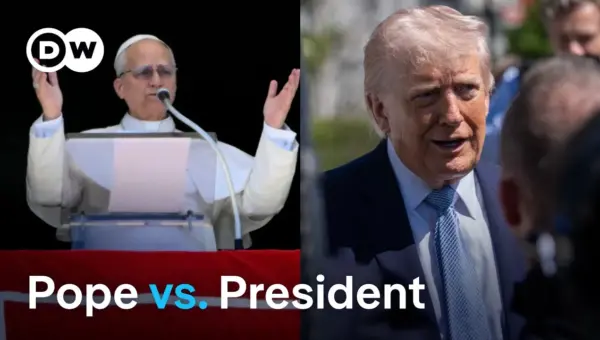
Pope Francis has publicly challenged President Donald Trump's war rhetoric, emphasizing peace and rejecting violence. This rare clash highlights the Vatican's moral authority against the White House's war logic, especially as religion is used to frame global conflicts. The Pope's firm stance comes amid concerns about the administration's association with a particular brand of Christianity.
Trump Threatens ‘Civilization’s Death’ in Iran Standoff
President Trump has issued a stark warning, threatening that a "whole civilization will die tonight" if Iran does not meet his deadline. The escalating conflict enters its sixth week with just hours left before the U.S. President's ultimatum expires.

Trump’s Unhinged Threats Ignite Mideast Firestorm
Donald Trump's recent social media posts and actions have ignited a firestorm in the Middle East, with escalating violence and dire threats. Amidst widespread death and destruction, global markets are in turmoil, and the specter of nuclear escalation looms.