Trump’s Easter Rally: Autopen Claims and Media Battles
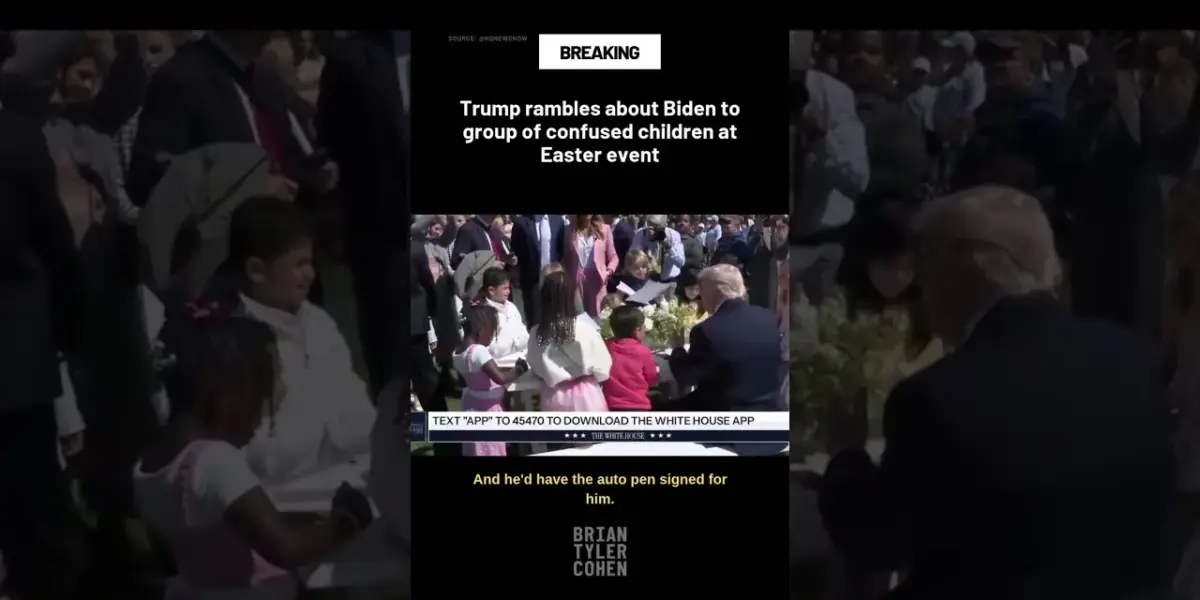
During an Easter event, Donald Trump claimed President Biden uses an autopen because he is "incapable of signing his name." Trump contrasted this with his own signature and attacked the "fake news."

Trump’s Easter Rally: Autopen Claims and Media Battles
During a recent Easter event, former President Donald Trump made claims about President Joe Biden’s use of an autopen. Trump told a group of children that Biden was unable to sign his own name. He explained that a machine called an autopen would sign for Biden. Trump suggested this was a sign of weakness, contrasting it with his own signature.
The Autopen Allegation
Trump described the autopen as a large machine that followed Biden around. According to Trump, Biden would hand papers to his staff, who would then use the autopen to sign them. He presented this as a negative trait, implying it showed Biden’s incapability. Trump then stated, “Better to sign Trump,” suggesting his own signature was more authentic or personal.
Attacking the ‘Fake News’
The former President also took the opportunity to criticize what he calls the “fake news.” He directly addressed the children, asking if anyone liked the fake news. The implied answer was no, which Trump seemed to accept as agreement with his stance against the media. This moment highlights Trump’s ongoing strategy of framing news outlets he disagrees with as untrustworthy.
Why This Matters
This incident, though seemingly minor and delivered to a young audience, reflects larger patterns in political communication. Trump’s use of the autopen story serves to paint his political opponent as unfit for office. It’s a simple narrative designed to be easily understood and remembered, even by children. By framing the issue this way, he aims to erode trust in Biden’s leadership. Furthermore, his immediate pivot to attacking the “fake news” reinforces his base’s skepticism towards established media. This tactic is a consistent element of his political brand.
Historical Context and Background
The use of autopens in politics is not new. Autopens are machines that can replicate a signature. Historically, presidents and other high-profile figures have used them to sign large volumes of documents, such as congratulatory letters or official proclamations. This practice allows for a personal touch on many items without requiring the individual to sign each one. However, the way Trump framed it, the autopen was presented not as a tool for efficiency but as evidence of Biden’s personal failing.
Trump’s relationship with the media has been contentious throughout his public life. He frequently uses the term “fake news” to dismiss reporting he views as unfavorable or inaccurate. This strategy has proven effective in rallying his supporters, who often share his distrust of mainstream news organizations. The Easter event provided a platform to reiterate these long-standing themes.
Implications and Future Outlook
The implications of such rhetoric are significant for political discourse. When political figures simplify complex issues into easily digestible, often negative, soundbites, it can shape public perception. The autopen claim, while potentially untrue or exaggerated, creates a memorable image that supporters can latch onto. It contributes to a broader narrative of Biden’s perceived weakness or ineffectiveness.
Looking ahead, we can expect similar communication strategies from Trump and potentially other politicians. The focus on personal attacks and broad media criticism often takes precedence over policy discussions. This approach can appeal to voters who feel alienated by traditional politics or who respond to strong, often confrontational, personalities. The challenge for voters will be to look beyond these simplified narratives and evaluate candidates based on their policies and track records.
Trump suggested that Biden was “incapable of signing his name” and relied on an autopen.
The use of an autopen is a factual tool. However, Trump’s presentation of it as a sign of Biden’s deep personal failing is a rhetorical choice. It aims to create doubt about Biden’s fitness for the presidency. This kind of messaging, delivered even to children, is designed to be repeated and spread.
The interaction also underscores the deep divide in how different groups perceive the news media. For Trump and his supporters, the “fake news” label is a powerful dismissal. For others, it is seen as an attempt to silence legitimate criticism. This ongoing media battle is a central feature of modern political campaigns and influences how information is consumed and trusted.
Source: Trump rambles about Biden to group of confused children at Easter event (YouTube)

Related Articles
Republican Party’s Trump Era: A Reckoning Looms
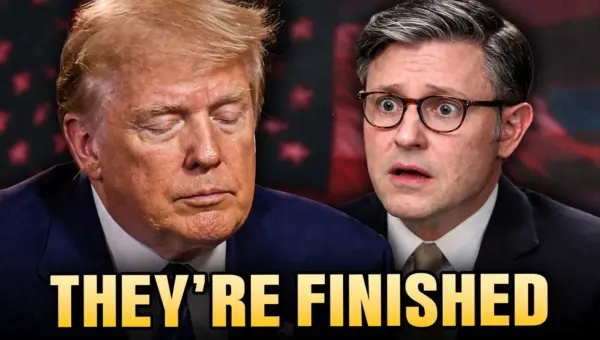
A sharp critique argues the Republican Party is complicit in the nation's current struggles, urging voters to reconsider their support. The analysis questions the party's benefit to anyone but the wealthy, citing economic hardship as evidence.

Trump Ditches Vance’s Call, Shows Favor for Rubio
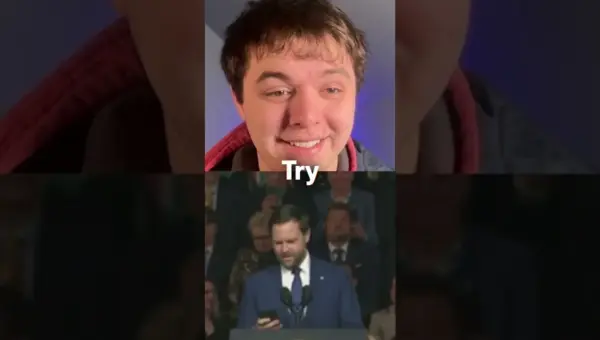
Senator JD Vance's live rally call to Donald Trump went unanswered, leading to an awkward voicemail. The incident suggests a potential cooling of relations between Vance and Trump, with a perceived favoritism towards Senator Marco Rubio.
Trump’s Iran Threats Spark War Crimes Fears
Former President Donald Trump's extreme threats against Iran have led to a communication blackout and fears of war crimes. Iran has warned of severe regional retaliation if attacked, while international figures call for Trump's removal from office.