Trump’s Easter Meltdown: Faith, Ego, and Endless Grievances
Donald Trump's appearance at the Easter Egg Roll highlighted a pattern of using public events for personal grievances. The analysis suggests his behavior stems from a deep ego, contrasting his actions with religious teachings and raising questions about leadership in a polarized era.

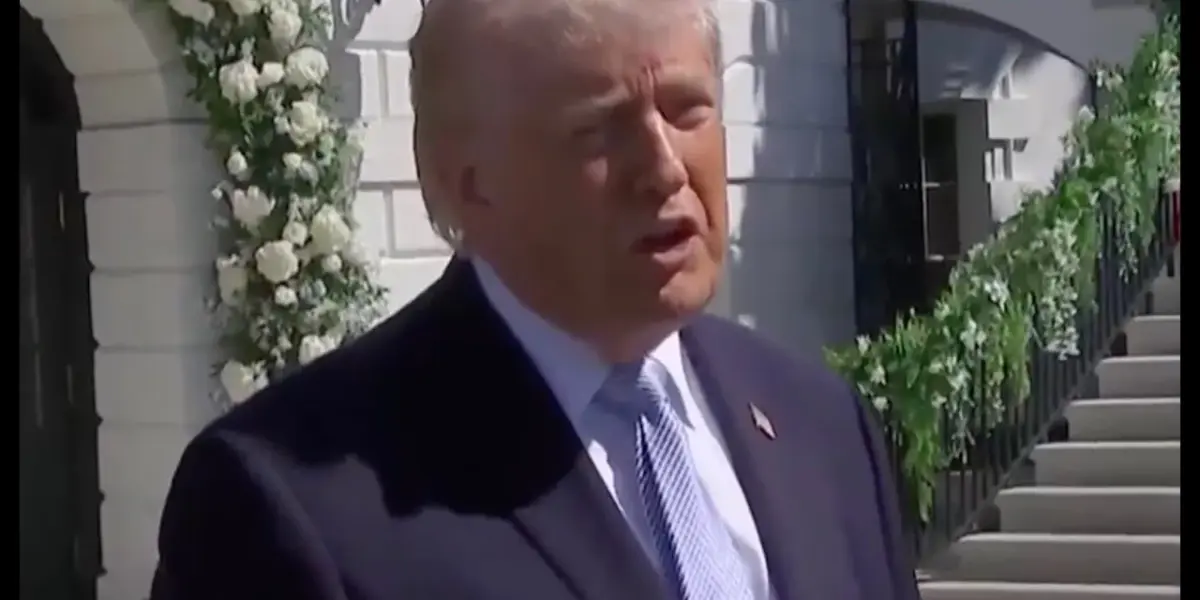
Trump’s Easter Meltdown: Faith, Ego, and Endless Grievances
Easter is meant to be a time for reflection and joy, honoring religious traditions and family. However, for former President Donald Trump, even this sacred holiday seemed to become another stage for his persistent grievances and self-aggrandizement. During the traditional Easter Egg Roll on the White House lawn, an event typically filled with family-friendly cheer, Trump’s remarks veered sharply into his familiar territory of political attacks and combative rhetoric, drawing criticism for his apparent inability to set aside personal feuds even on a day meant for national unity.
While the current president addressed the gathered families, Trump’s public appearances often included sharp criticisms. He was heard calling Americans who support certain policies “foolish” and “animals,” and made disparaging remarks about Vice President Kamala Harris, labeling her as “low IQ.” This behavior, critics argue, highlights a pattern of using public events, regardless of their solemnity or celebratory nature, to score political points and attack opponents. The contrast between the festive atmosphere and Trump’s aggressive language was stark, leaving many to question his judgment and priorities.
A History of Political Attacks on Sacred Ground
This incident is not an isolated event but rather part of a larger trend. Throughout his public life, Trump has been noted for his willingness to inject political conflict into moments that many consider apolitical or sacred. Examples cited include using visits to Arlington National Cemetery for political purposes, criticizing political figures during Thanksgiving celebrations, and even sending fundraising emails during the dignified transfer of fallen soldiers. These actions suggest a consistent approach where personal and political battles often take precedence over traditional decorum and respect for solemn occasions.
The transcript points to a specific pattern around major Christian holidays. During Christmas, for instance, Trump reportedly posted over 100 times on his social media platform, Truth Social. While wishing people a Merry Christmas, he also referred to the “radical left scum” and made comments about ensuring a “good Santa” was not infiltrated by “bad Santa.” This suggests that even during times of widespread religious observance, Trump’s focus remains on partisan conflict and reinforcing his base’s grievances, often framing himself as a victim or a defender against perceived enemies.
The Ego and the Deity: A Comparison
A central theme emerging from the analysis is the idea that Trump’s behavior stems from a deep-seated ego and a desire to be seen as a central, almost divine figure. The author suggests that holidays like Easter and Christmas, which celebrate figures like Jesus, present a challenge to Trump’s self-perception. On these days, millions around the world focus on someone other than him, which is posited as a source of frustration and even jealousy. This perceived competition for adoration, it is argued, fuels his aggressive rhetoric and constant need for attention.
The comparison is drawn between Jesus’s teachings and Trump’s actions. While Jesus is associated with forgiveness, love for enemies, and humility, Trump is characterized as unforgiving, deeply hateful towards opponents, and driven by a relentless pursuit of wealth and power. This stark contrast leads to the provocative suggestion that Trump embodies the opposite of key religious tenets, perhaps even acting as an anti-figure to the religious ideals he often invokes. The author contends that Trump has spent his career seeking the kind of devotion reserved for deities, and within certain political circles, particularly the modern Republican party, he has largely achieved this status, with some supporters even invoking divine providence in their praise of him.
Why This Matters
The implications of a political leader consistently prioritizing personal grievances and political attacks over moments of national unity and traditional observance are significant. It contributes to a polarized political environment where even family-friendly events become battlegrounds. This behavior normalizes aggressive rhetoric and erodes trust in institutions and public discourse. For observers, it raises questions about leadership, the role of faith in politics, and the impact of a leader’s personal psychology on national sentiment.
Historical Context and Trends
Historically, presidents have often used holidays like Easter for moments of national unity and connection with the public. The Easter Egg Roll, in particular, is a long-standing tradition aimed at bringing families together. Trump’s deviation from this norm, by using the event as a platform for political attacks, marks a departure from presidential conduct that emphasizes bipartisan appeal or at least a temporary suspension of partisan warfare during national celebrations. This trend reflects a broader shift in political communication, where personal attacks and constant campaigning have become increasingly common, blurring the lines between governing and perpetual political combat.
Future Outlook
The analysis suggests that this pattern is unlikely to change. Trump’s consistent use of holidays and public events for political gain indicates a deeply ingrained communication strategy. As political discourse continues to evolve, the pressure on leaders to maintain a constant state of engagement and conflict may increase. This could lead to further erosion of traditional norms and a continued blurring of the lines between personal expression and presidential duty. For the public, it means a continuing challenge in discerning moments of genuine national unity from ongoing political theater.
“He has spent his entire life trying to make people treat him like a deity. And if you look at the current Republican party, he’s kind of succeeded.”
The author concludes by promoting a new book, “The Day After: How to Wield Power in a Post-Trump World,” which aims to explore how power is used and can be wielded effectively, particularly by progressives, in the current political climate. This ties back to the core theme of leadership and the strategic use of power, suggesting that understanding these dynamics is crucial for navigating the future of American politics.
Source: Trump engulfed in HUMILIATION of the year | Another Day (YouTube)

Related Articles

Republican Party’s Trump Era: A Reckoning Looms
A sharp critique argues the Republican Party is complicit in the nation's current struggles, urging voters to reconsider their support. The analysis questions the party's benefit to anyone but the wealthy, citing economic hardship as evidence.

Trump Ditches Vance’s Call, Shows Favor for Rubio
Senator JD Vance's live rally call to Donald Trump went unanswered, leading to an awkward voicemail. The incident suggests a potential cooling of relations between Vance and Trump, with a perceived favoritism towards Senator Marco Rubio.
Trump’s Iran Threats Spark War Crimes Fears
Former President Donald Trump's extreme threats against Iran have led to a communication blackout and fears of war crimes. Iran has warned of severe regional retaliation if attacked, while international figures call for Trump's removal from office.