Trump’s DOJ Accused of “Lawless” Retaliation Against Rivals
Critics argue the Trump administration has engaged in "lawless" actions, using the Department of Justice for political retribution against perceived enemies. Unusual legal setbacks and a focus on "the process is the punishment" have raised serious concerns about the integrity of federal prosecutions. The discussion highlights the "arrogance of power" and calls for citizens to use their vote to address these issues.

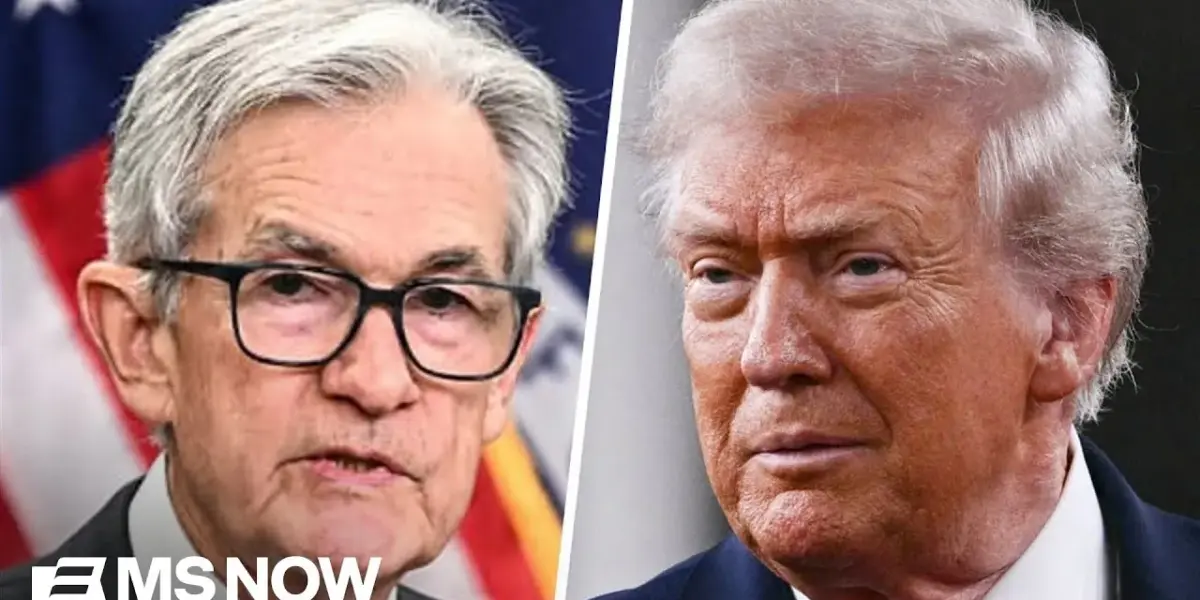
Trump Administration Faces Accusations of Politically Motivated Prosecutions
The Department of Justice under the Trump administration is facing serious accusations of using its power for political retribution rather than pursuing justice. Critics argue that the department has engaged in “lawless” actions, targeting perceived enemies regardless of whether actual crimes were committed. This approach, they contend, is damaging the reputation of federal prosecutors and will take a long time to repair.
“Retribution is Not Rational” Becomes a Slogan
The phrase “Retribution is not rational” has emerged as a key criticism, with some suggesting it could become a slogan or even a T-shirt slogan. This highlights a central theme: the administration’s actions are seen as driven by a desire for revenge rather than sound legal or political logic. A list of alleged targets has been compiled, including prominent figures like former FBI Director James Comey, mayors, senators, members of Congress, former National Security Advisor John Bolton, journalists, and political candidates.
Unusual Legal Setbacks Raise Concerns
The administration has reportedly faced unusual and significant legal setbacks, further fueling concerns about the basis of its actions. For instance, a decision to quash subpoenas for Federal Reserve Chair Jerome Powell described them as a “pretext,” which is considered rare in federal investigations. In another instance, an attempt to indict six Democratic lawmakers reportedly failed to secure a single grand juror’s signature for the proposed indictment. These outcomes suggest a lack of substantial evidence or legal merit in the cases being pursued.
“It is very difficult and very rare to get grand jury subpoenas quashed. So that’s telling you a lot about the substance of the case.”
“Arrogance of Power” and a “Deeper Hole”
Commentators have invoked the concept of the “arrogance of power,” suggesting that the administration is wielding its authority with a lack of humility and a disregard for legal norms. This is seen as transforming the government’s purpose. The current situation is described as “getting worse and worse,” creating a “deeper and deeper” hole for the Department of Justice to climb out of when a new administration takes over. The concern is that this approach, which has been ongoing for over a year, could have long-lasting consequences.
Trump’s View on Second Term Power
Former President Donald Trump himself has spoken about his perceived power in a second term, suggesting he would have “much more power.” He indicated that he might not have been able to get away with certain actions in his first term that he believes he could in a subsequent one. This perspective fuels worries that the alleged pattern of using governmental power for personal or political aims could intensify if he were to return to office.
The Role of Citizens in Response
The discussion emphasizes that ultimately, citizens hold the power to change the situation. With upcoming midterm elections and the ongoing legal battles, the responsibility falls on Americans to make informed choices. The sentiment is that while legal and political avenues are being explored, the most effective response lies with the electorate. The call to action echoes a historical sentiment: “Don’t boo, vote.” This suggests that active participation in the democratic process is the key to addressing concerns about the use of governmental power.
Looking Ahead: The Path Forward
The ongoing legal challenges and the broader implications of the alleged use of the Department of Justice for political ends will be critical to watch. The public’s response, particularly in upcoming elections, will likely shape the future trajectory of these concerns and the administration’s approach to the legal system. The question remains whether the system can self-correct or if external pressure from the electorate is the only viable path to restoring trust and ensuring justice is pursued impartially.
Source: 'Retribution is not rational': The Weeknight on Trump’s pressure campaign against Fed Chair Powell (YouTube)

Related Articles

Trump’s Iran War Plans Criticized Amid Border Funding Standoff
Lawmakers and analysts are criticizing the Trump administration's handling of the Iran conflict and its approach to border funding, arguing that a lack of clear planning and a focus on political battles are making the U.S. less safe. Concerns are particularly high regarding the FBI's priorities and the potential impact of these issues on national security.

Epstein Survivors Sue U.S. Government Over Data Release
Epstein survivors have filed a historic class-action lawsuit against the U.S. government and Google. They allege the Trump administration carelessly released Epstein files, exposing victims' private information. The suit claims Google profited from this data, leading to further retraumatization.

DOJ Pays Millions to Ally: Is This Legal?
A $1.2 million payout from the DOJ to Mike Flynn, a former Trump ally, has sparked outrage and questions about legality and oversight. Critics fear a pattern of "grift and corruption," while calls for accountability echo historical precedents.