Trump’s Declining Health Fuels War Concerns
Concerns mount over Donald Trump's cognitive and physical health amidst a dangerous foreign war. Critics argue his public appearances suggest a decline that could jeopardize national security and international stability.

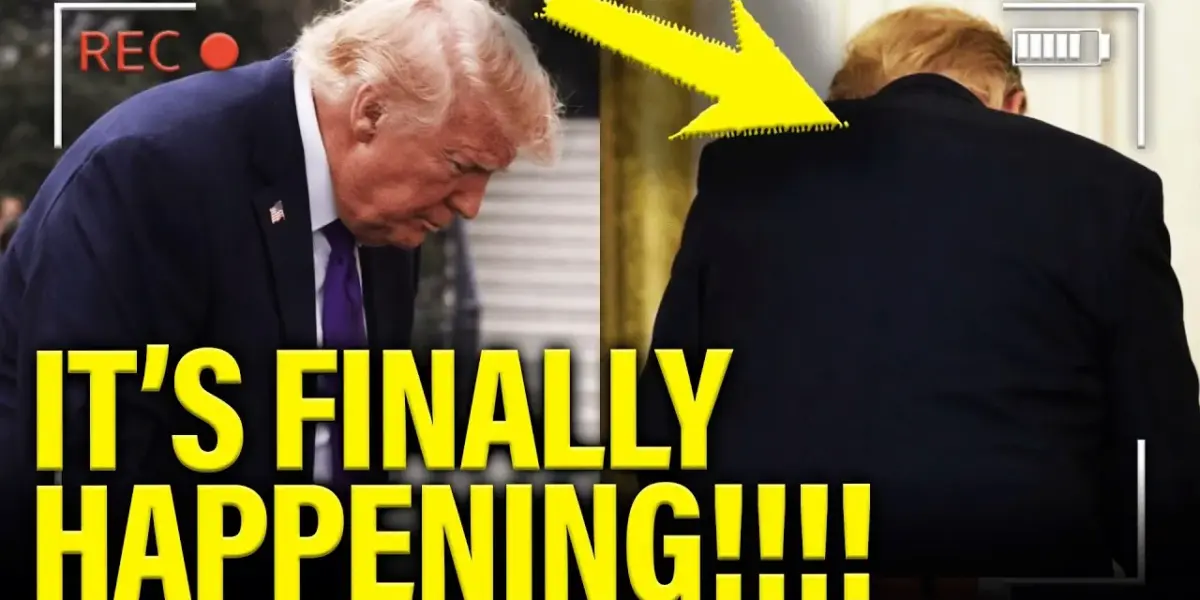
Trump’s Health Declines Amidst Escalating Foreign Conflict
Recent public appearances by Donald Trump have raised significant concerns regarding his cognitive and physical well-being, coinciding with a period of escalating international conflict. Critics argue that this apparent decline, coupled with policy decisions, presents a “red alert” that warrants broader media attention and serious consideration by national leadership.
Concerns Over Physical and Cognitive State
During a recent speech in Kentucky, Trump himself highlighted anxieties about navigating stairs, citing their potential slipperiness. “You can slip. I can slip. I came downstairs today that was soaking wet,” he stated, illustrating a perceived physical vulnerability. He also drew a stark contrast with former President Obama’s reported ease in descending stairs, describing Obama’s movement as a “bop bop bop.” This anecdote, while seemingly minor, has been interpreted by some as indicative of a preoccupation with physical capabilities and a potential sign of his own perceived limitations.
Further fueling these concerns is Trump’s response to a report indicating that the United States may have struck an elementary school in Iran, resulting in civilian casualties. When questioned by reporters, Trump appeared to exhibit confusion, repeatedly asking, “For what? What? What? I don’t know what what.” His apparent lack of immediate recall or comprehension of the event has been characterized as a significant lapse, especially given the gravity of the situation and his role as commander-in-chief.
Accusations of Projection and Cognitive Deficiency
In a notable instance of what critics describe as projection, Trump turned his attention to California Governor Gavin Newsom. Trump accused Newsom of having cognitive deficiencies and being unable to read, stating, “He admitted he has mental problems, that he’s not a smart person, that he is mental a mental lack of ability, he’s unable to read a speech, he can’t read.” This attack has been widely interpreted as Trump deflecting from his own perceived cognitive issues, with Newsom later responding by referencing his own dyslexia and calling Trump “brain dead.”
The dynamic between Trump and Newsom highlights a broader debate about the mental acuity required for high office. Trump himself stated, “I don’t want the president of the United States to have a cognitive deficiency. Okay? Right. But you know, when it comes to president, you’ve got to be sharp. You’ve got to be sharp as hell.” This statement, made in the context of criticizing Newsom, has been turned back on Trump by his detractors.
The Shadow of War and Geopolitical Implications
The backdrop to these discussions of Trump’s health is a significant international conflict initiated by his administration, described as an “unlawful war against Iran.” The transcript details a series of escalations, including attacks on American-affiliated ships, Iranian strikes on regional oil depots, and a substantial shock to global oil supply. The report notes that 150 service members have been wounded, with attempts to conceal these casualties. The conflict has led to rising oil prices and has been characterized as a “disastrous” and “unmitigated disaster.”
The transcript suggests that global leaders, including Xi Jinping, Vladimir Putin, and leaders of NATO, are observing Trump’s behavior. The implication is that any perceived weakness or cognitive decline could be exploited by adversaries, potentially destabilizing international relations and jeopardizing American security. The assertion is made that world leaders are witnessing Trump’s public stumbles and verbal missteps, which could be interpreted as a sign of diminished leadership capacity.
Economic and Political Discrepancies
Adding to the complexity, Trump’s public statements on the economy often starkly contrast with observable realities. He has proclaimed that “inflation is plummeting, incomes are rising, the economy is roaring back, and America is respected again.” However, the transcript points to rising oil prices and the strategic release of oil reserves as indicators of economic distress and a potentially panicked response to market instability. This disconnect between Trump’s pronouncements and the on-the-ground situation has led to accusations of dishonesty and a lack of grasp on critical economic factors.
Historical Context and Precedents
While the transcript focuses on recent events, the concerns about a leader’s fitness for office are not new. Throughout history, questions of presidential health and cognitive ability have periodically surfaced. The 25th Amendment to the U.S. Constitution provides a mechanism for removing a president who is unable to discharge the powers and duties of their office. The transcript explicitly suggests that Trump’s current condition may meet the threshold for invoking the 25th Amendment, not as an excuse for his actions, but as a necessary measure due to perceived incapacitation.
The transcript also touches upon Trump’s criticisms of political opponents, such as his condemnation of Congressman Massie for perceived disloyalty and for voting against certain COVID-19 measures and for supporting the release of Epstein files. These attacks, coupled with his remarks about a six-year-old girl needing to be “of age” in the context of voter ID, are presented as further evidence of erratic behavior and a potential disconnect from reality.
Why This Matters
The confluence of deteriorating public health indicators in a national leader and an active, escalating foreign war creates a critical juncture. The stability of international relations, the effectiveness of crisis management, and the very perception of American strength on the global stage are all at stake. If a leader’s faculties are genuinely compromised, their decisions, particularly in matters of war and peace, carry amplified risks. The public and media have a responsibility to scrutinize these issues, not for partisan gain, but for the fundamental security and well-being of the nation and its global standing.
Implications, Trends, and Future Outlook
The trend highlighted is one of increasing concern over the fitness of leaders, particularly those in high-pressure roles. The digital age, with its rapid dissemination of information and constant scrutiny, amplifies these concerns. The future outlook suggests that discussions around a leader’s cognitive and physical health will remain prominent, especially when juxtaposed with major geopolitical events. The transcript implies a need for a more robust public discourse on the criteria for leadership and the mechanisms for ensuring a leader’s sustained capacity to govern effectively, particularly during times of crisis. The potential for miscalculation, driven by impaired judgment, remains a significant threat.
Source: Trump’s Health CRASHES as he CRACKS Under WAR PRESSURE!! (YouTube)

Related Articles


MAGA Voters Divided Over Potential Iran War
The potential for a US war with Iran has sparked debate at CPAC, revealing a divided MAGA base. While some support military action, many express concerns over prolonged conflicts and rising economic costs, particularly higher gas prices.
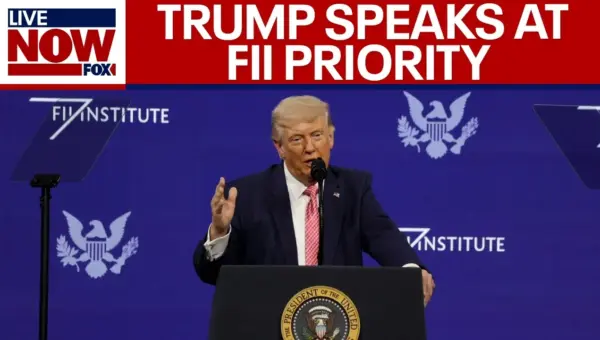
Trump Boasts Military Might, Slams Iran at Investment Summit
Former President Donald Trump spoke at the FII Priority Summit, detailing his administration's assertive stance against Iran and emphasizing the strength of the U.S. military. He claimed credit for dismantling Iran's military capabilities and preventing its nuclear ambitions. Trump also criticized NATO while praising Middle Eastern allies and touched on domestic issues like border security.
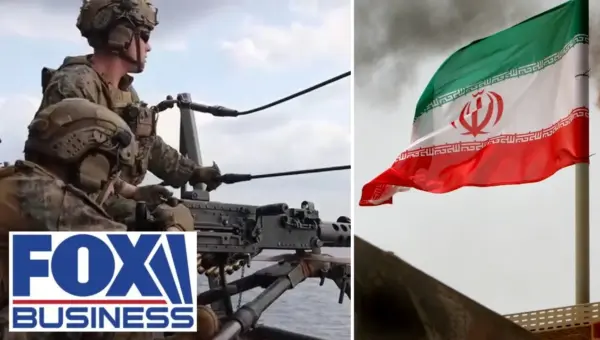
Pentagon Weighs 10,000 Troops for Iran Showdown
The Pentagon is reportedly weighing a significant troop increase of 10,000 soldiers to the Middle East, potentially escalating tensions with Iran. This move comes amid reports of U.S. precision strikes and interceptions of Iranian missiles by allies, raising concerns about regional stability and global oil supplies.