Trump’s ‘Cult of Personality’ Event Highlights Administration Chaos
A recent Donald Trump press conference in Memphis was criticized as a "nightmare" and "cultlike," with officials competing to praise him. The event occurred amid airport disruptions and ongoing foreign policy issues, drawing sharp criticism for its focus on ego over substance.

Trump’s ‘Cult of Personality’ Event Highlights Administration Chaos
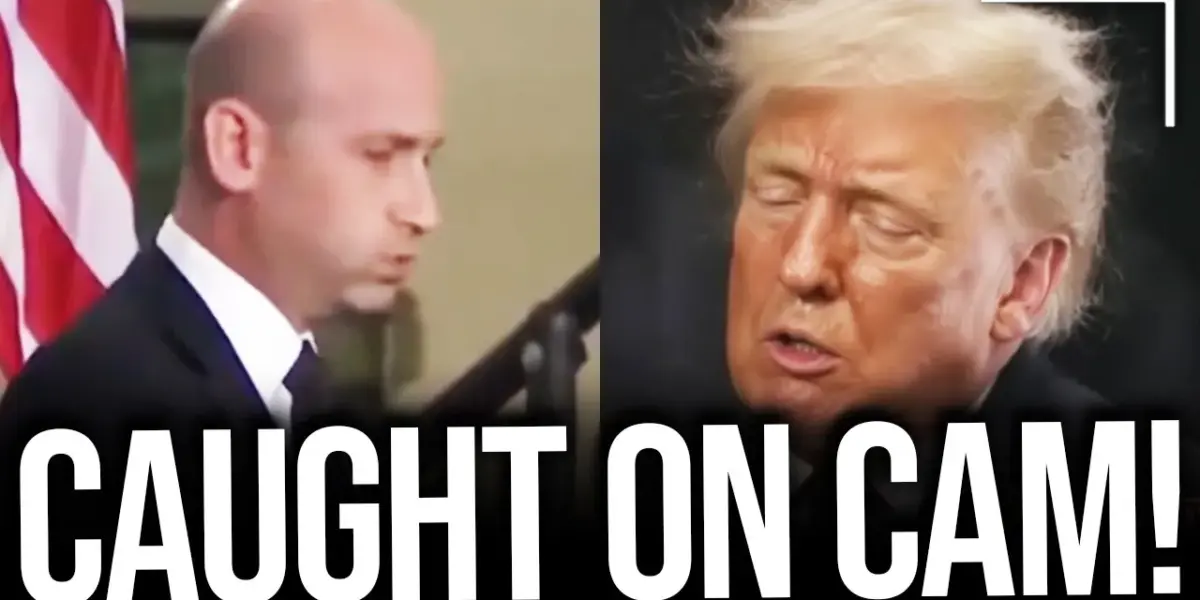
Donald Trump recently held a press conference in Memphis, Tennessee, that was described as a “nightmare” and a “cultlike showing” from his administration. Top officials like Pam Bondi, Steven Miller, and Pete Hegseth were present, seemingly competing to praise Trump the most. This event took place while critical issues like airport disruptions due to a government shutdown and the ongoing situation in Iran were unfolding.
Airport Woes and a Bizarre Solution
The backdrop to this event was significant. Airports across the country were experiencing major problems because the Department of Homeland Security (DHS) wasn’t receiving proper funding. This led to TSA workers not being paid, causing many to not show up for work. In response, Trump decided to send U.S. Immigration and Customs Enforcement (ICE) agents to the airports to help. The speaker questioned the logic of this decision, suggesting it wouldn’t solve the underlying problems or calm tensions.
Praise Praises and Questionable Statistics
During the conference, Steven Miller delivered a speech praising Trump. He claimed that under Trump’s leadership, the nation achieved the lowest murder rate in 125 years. Miller also asserted record reductions in violent crime, drug overdose deaths, illegal immigration, and the highest number of criminal arrests and deportations in American history, all within one year. He called these achievements a “national miracle.”
However, the speaker on the video pushed back on these statistics. He pointed out that violent crime rates have generally been declining for a long time, with many hitting lows under previous administrations, including Joe Biden’s. The speaker argued that Trump did not achieve something previously thought impossible but rather benefited from a long-term trend.
A Strange Setting and More Adulation
The speaker also noted the unusual setting of the press conference. Trump was seen sitting in front of random boxes and bubble wrap, which the speaker described as looking like a “junkyard.” He questioned why the area wasn’t cleaned up for such an important event.
Following Miller, Cash Patel also offered praise, calling Trump “the greatest warriors on God’s green earth” and a commander-in-chief who backed law enforcement. Patel, a first-generation Indian-American, shared a personal story of his parents fleeing genocide and how Trump’s leadership allowed him to live his dream as the ninth director of the FBI. He credited Trump for inspiring law enforcement and safeguarding lives for generations.
Critique of the ‘Performance’
The speaker strongly criticized this display, calling it a “partisan nightmare” that did nothing to inform the public. He felt it was a performative event focused on boosting Trump’s ego, likening it to a “cold meeting” where officials competed to flatter the former president. The speaker suggested that even attendees might have felt the embarrassment or questioned the purpose of such an event.
The speaker also highlighted Trump’s comments about the economy, mentioning the Dow Jones Industrial Average hitting 50,000 and the S&P 500 reaching 7,000 during his term. However, he contrasted this with Trump’s subsequent need to address the Iran situation, suggesting a disconnect.
Steven Miller’s Apparent Discomfort
A particular moment noted was a clip showing Steven Miller appearing to sigh deeply as Trump discussed his changing justifications for actions related to Iran. The speaker found this noteworthy, as Miller is usually seen as a calculated figure, and suggested it might indicate discomfort or disagreement.
The ‘Paperclip’ Analogy and ICE at Airports
The press conference also touched upon the decision to send ICE agents to airports. When asked whose idea it was, Trump initially deflected, but eventually, it was revealed to be his. He compared the idea to the discovery of the paperclip, calling it simple and brilliant. The speaker found this analogy odd and the overall situation confusing, especially given the lack of clear information about the event’s purpose.
The speaker also shared a clip showing ICE agents at San Francisco International Airport, where individuals in plain clothes were reportedly not showing their badges when asked. This raised concerns about the legitimacy of the agents and the potential for confusion or mistrust, especially in sensitive environments like airports.
Concerns About Trump’s Demeanor
Towards the end of the video, the speaker raises concerns about Donald Trump’s physical state during the event. He points to a clip where Trump’s eyes appear swollen, suggesting he might have been falling asleep. The speaker found this a “bad sign” and noted it wasn’t the first time such behavior had been observed.
The speaker also criticized Trump’s remarks about the sound system at the venue and his comments about people in Memphis liking him. He contrasted these seemingly minor concerns with the serious issues like ICE agents operating without clear identification at airports.
Why This Matters
This event, as described, reveals a concerning pattern of prioritizing political performance and personal adulation over substantive policy and public service. The focus on praising Donald Trump, using questionable statistics, and holding events in bizarre settings distracts from pressing national issues like airport security and foreign policy. The speaker’s critique highlights the potential for such events to erode public trust and create confusion, especially when critical infrastructure and national security are at stake. The use of taxpayer money for what appears to be a rally disguised as a press conference is also a significant concern for accountability and responsible governance.
Implications, Trends, and Future Outlook
The described event suggests a continued trend of highly personalized politics, where loyalty and praise are valued over competence and results. The use of statistics to create a narrative of unparalleled success, even when challenged by factual data, points to a strategy of controlling public perception. The speaker’s observation of potential disengagement or discomfort among officials, like Steven Miller’s sigh, hints at internal dynamics that may not always align with the public display of unity. Looking ahead, this type of political communication can lead to further polarization and a public less informed about actual policy achievements and challenges. The future may see more events focused on personality cults rather than policy debates, making it harder for voters to make informed decisions.
Historical Context and Background
The practice of leaders surrounding themselves with loyalists who offer effusive praise is not new. Throughout history, many political figures have cultivated an image of infallibility through carefully managed public appearances and loyal advisors. However, the intensity and nature of the adulation described, coupled with the setting and the backdrop of national issues, seem to amplify this trend in the modern era. The speaker’s comparison to a “cultlike” atmosphere suggests a departure from traditional political rallies, leaning more towards a fervent personal devotion. The use of government resources for such displays also raises questions about the ethical boundaries of political campaigning and public administration.
Source: Stephen Miller HUMILIATION RITUAL Instantly BACKFIRES (YouTube)

Related Articles
TSA Workers Get Paid After Record Absences
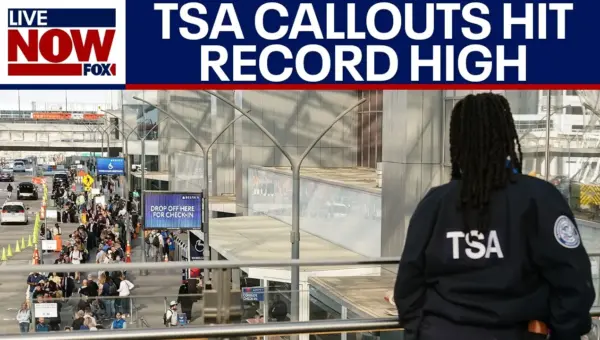
TSA agents will finally receive paychecks after working nearly six weeks without salary, following a directive from President Trump. Record high absences had strained airport operations and caused significant passenger delays. The situation has sparked calls for better protections for essential workers during government shutdowns.
House Republicans Reject Senate Deal, Sparking Government Funding Clash
House Republicans have rejected a Senate bill to end the government shutdown, citing insufficient border security measures. Congressman Randy Fine called the Senate deal a "disgrace" and highlighted the ongoing fight for full government funding. President Trump's executive order to pay TSA agents offers temporary relief, but the core disagreement over border security continues to paralyze Washington.

Tiger Woods Arrested for DUI After Crash
Golf legend Tiger Woods was arrested for DUI in Florida following a dramatic rollover crash. Meanwhile, a government shutdown continues as House Republicans block a Senate deal, leading to airport chaos and TSA worker pay issues. The stock market also plummeted into correction territory amid fears of a prolonged Iran conflict.