Trump’s Cuba Interest Criticized Amidst Island’s Crisis
Former President Donald Trump's comments about wanting to "take Cuba" have been criticized as a "poor allocation of time" amid the island's severe economic crisis. Reports from Havana describe widespread blackouts and fuel shortages, impacting daily life. Experts argue Cuba is not a direct threat to US security, and Americans are more focused on domestic economic issues.

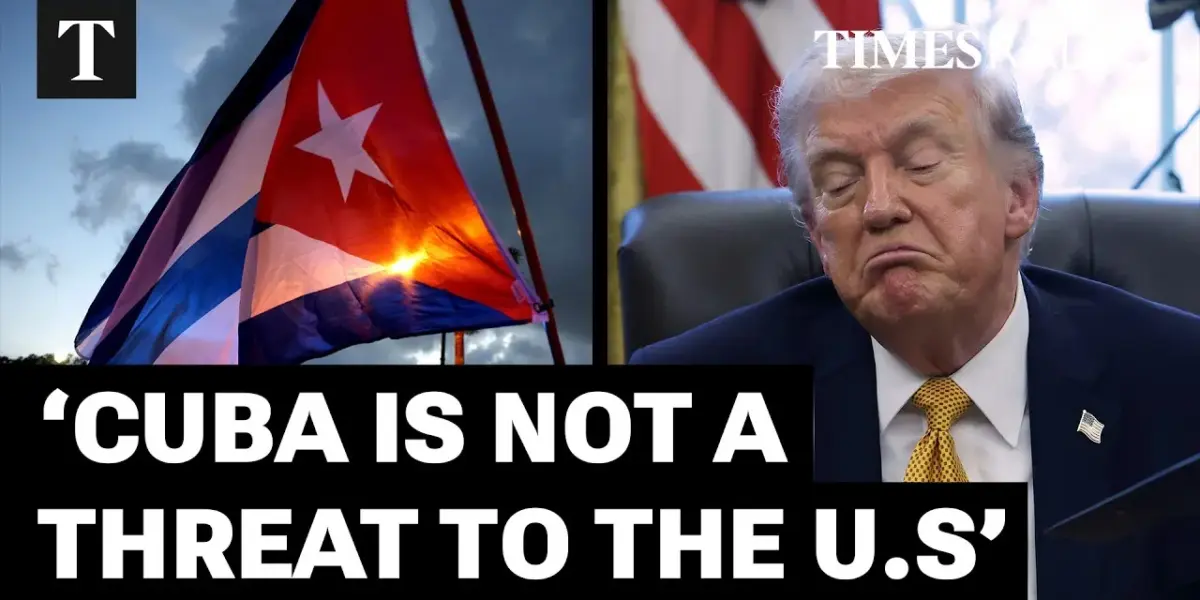
Trump’s Cuba Remarks Spark Controversy Amidst Economic Hardship
Former President Donald Trump’s recent comments expressing a desire to “take Cuba” have drawn sharp criticism from foreign policy experts, who argue it represents a “poor allocation of time and resources” while the island nation faces a severe economic crisis. Trump’s remarks, made as discussions about Cuba’s future continue, suggest a personal ambition to exert control over the country, a sentiment that experts deem unhelpful and out of touch with the reality on the ground.
“I do believe I’ll be the honor of having the honor of taking Cuba. That’d be good. That’s a big honor,” Trump stated, later clarifying his interest in “taking Cuba in some form,” adding, “I mean, whether I free it, take it, think I could do anything I want with it.” These statements have been met with concern, especially as Cuba is currently experiencing widespread blackouts and fuel shortages due to an oil blockade.
Havana Plunged into Darkness Amidst Fuel Shortages
The situation in Cuba’s capital, Havana, is described as “very difficult” by local reports. Manuel, a resident speaking to Times Radio, detailed the severe lack of fuel, leading to extremely long lines for limited purchases. Power outages are not temporary; they are described as one “great big power cut,” plunging much of the country into darkness for extended periods. Residents are struggling to cope, with many feeling that the current hardship is the worst they have experienced and that the future offers little hope.
“People here know how to make do, but it’s difficult to remember having lived through times as difficult as this one,” Manuel reported. “And what’s worse of all is that we know that there is no way out of this. We know that what’s coming next is even worse.” This grim outlook highlights the profound impact of the ongoing crisis on the daily lives of ordinary Cubans.
Expert Analysis: Cuba Not a Direct Threat to US Security
Ambassador Brian Nichols, former Assistant Secretary for Western Hemisphere Affairs at the State Department, offered a critical perspective on Trump’s comments and the broader US policy towards Cuba. He described the economic challenges facing Cuba as long-standing, exacerbated by the cutoff of Venezuelan and Mexican oil supplies. This has crippled the island’s electrical generation and gasoline supply, leading to a desperate economic situation.
Nichols directly addressed the notion of Cuba as a threat to US security. “Cuba is a base for intelligence operations for both China and Russia against the United States,” he acknowledged, mentioning listening posts and monitoring stations. However, he quickly qualified this by stating, “in terms of its threat to the United States, it’s greatly diminished condition, it’s not really a threat to the United States.”
American Public Focused on Domestic Economic Issues
When asked about the American public’s mood regarding foreign policy interventions, Ambassador Nichols pointed to a strong focus on domestic economic concerns. “People are very much focused on the dramatic rise in gasoline prices in the United States,” he noted, citing a 27% increase. The producer price index reaching historic highs further underscores this domestic economic anxiety.
“So, people are very much focused on the economy and they would like the president and the government to focus on economic issues in the United States and not on foreign adventures,” Nichols explained. This suggests that ambitious foreign policy initiatives, particularly those perceived as costly or unnecessary, may not resonate well with the American electorate.
International Image and Humanitarian Concerns
The current US policy towards Cuba, particularly the oil blockade, has drawn international attention and concern. Various countries, including European nations, are attempting humanitarian efforts to supply essential goods to the Cuban people, who are suffering from deprivation, including prolonged darkness and failing essential services like shops and healthcare.
Ambassador Nichols suggested that the strong stance against Cuba might be harming America’s image. “Yes, I think that the profile of the United States with a true maximum pressure on Cuba amplifies international concerns about how the Trump administration uses its force and power around the world,” he stated. He linked this to other controversial actions, such as the intervention in Venezuela and the conflict with Iran, suggesting a pattern that creates “greater instability and concern among the international community.”
The Goal: Regime Change or Pliancy?
The stated goal of the “maximum pressure” campaign against Cuba is often cited as regime change. However, Ambassador Nichols expressed skepticism about the desired outcome, drawing parallels to Venezuela. He suggested that the administration’s approach is less about fostering democratic governance and more about installing a “pliant, vassal state” that is favorable to US interests.
“The Cuban people deserve the right to determine their own future,” Nichols emphasized. “And putting maximum pressure to replace the current Cuban leadership with someone a little bit farther down the totem pole who will answer to President Trump seems to me to be a poor outcome for the Cuban people.” He argued that Cubans should have the agency to choose their own government and pursue policies that benefit their families and their nation.
Looking Ahead: A Focus on Cuban Self-Determination
As Cuba continues to grapple with its severe economic crisis, the international community watches closely. The focus remains on the welfare of the Cuban people, who have endured decades of hardship and repression. The debate over US policy towards Cuba is likely to intensify, particularly concerning the effectiveness and ethical implications of the current “maximum pressure” strategy. The call for Cuban self-determination and democratic transition, free from external imposition, is a central theme that will likely shape future discussions and actions regarding the island nation.
Source: Trump Interest In Cuba A ‘Poor Allocation Of Time’ (YouTube)

Related Articles


Nigeria’s ‘Kito’ Scam Targets LGBTQ+ People with Violence
Nigeria's LGBTQ+ community is facing a surge in violent 'Kito' scams, where victims are lured online, ambushed, beaten, and blackmailed. Rights groups report over 50 cases since December, highlighting the dangerous exploitation of anti-gay laws and societal homophobia. Survivors share harrowing accounts of physical and emotional trauma, living in constant fear.
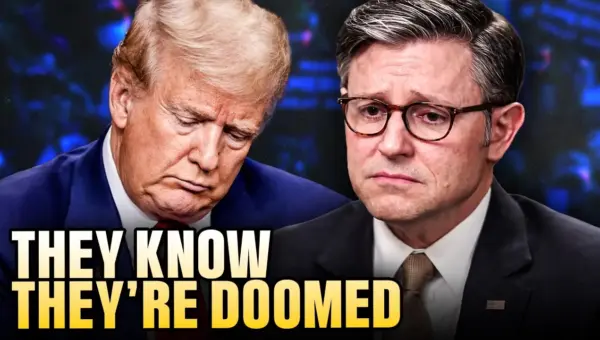
Polls Spell Doom: Republicans Face Voter Backlash
New polling data reveals a sharp decline in public confidence regarding the economic impact of Republican policies, particularly under Donald Trump. A significant majority now feel financially worse off, a trend that is especially pronounced among independent voters. This economic discontent poses a major challenge for the Republican party heading into future elections.
Trump Delays Iran Strike Deadline Amidst Shifting Diplomacy
President Donald Trump has extended his deadline for potential strikes on Iranian energy plants to April 6th, amid reports of U.S.-Iran diplomatic talks mediated by Pakistan. This move comes as Israel continues its strikes on Iran and the U.S. deploys additional military assets to the region. Analysts point to mixed signals, economic pressures, and strategic miscalculations as key factors shaping the evolving situation.