Trump’s Cuba Gambit: A Bold Play for Hemispheric Control?
President Trump vows to "take" Cuba amidst escalating protests and a crippling energy crisis. This bold strategy, fueled by cutting off Venezuelan oil, pushes the island nation to negotiations, marking a significant escalation in U.S. foreign policy.

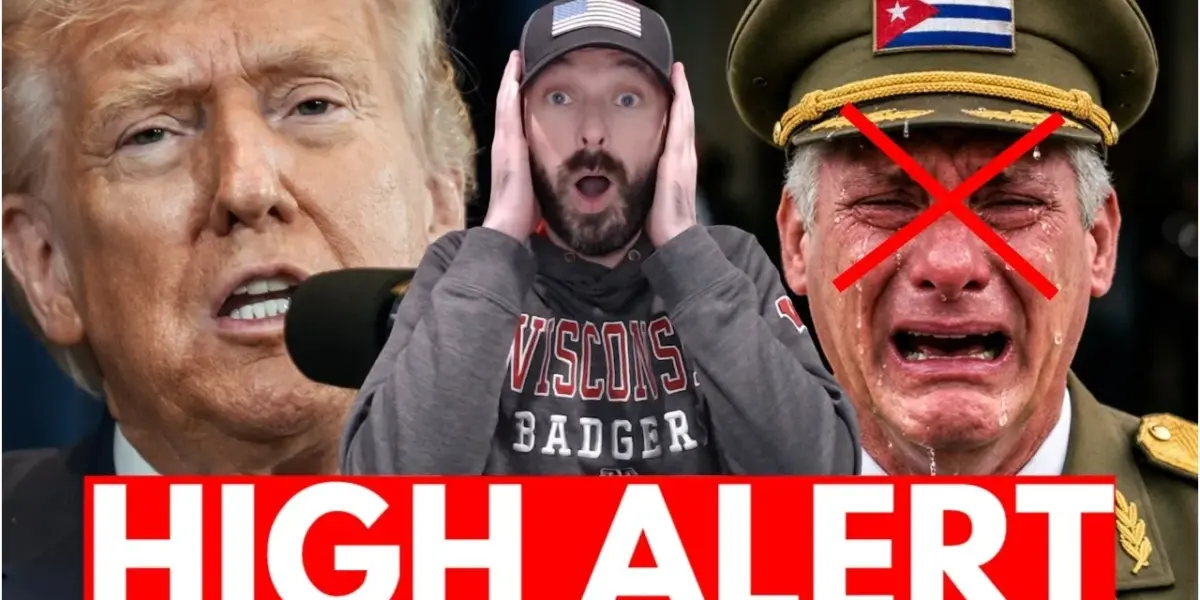
Trump’s Cuba Gambit: A Bold Play for Hemispheric Control?
Recent developments suggest a dramatic shift in U.S. policy toward Cuba, with President Donald Trump vowing to “take” the island nation and end its communist rule. This bold declaration comes as Cuba faces a severe crisis, marked by widespread protests and a near-total collapse of its electrical grid. The situation is fueled by a significant cut-off of oil supplies from Venezuela, a long-standing ally of the Cuban regime.
Cuba’s Crisis Deepens Amidst Venezuelan Cut-off
Cuba has historically relied heavily on Venezuela for energy and resources. This relationship, which dates back to Hugo Chávez and continued under Nicolás Maduro, provided the Cuban dictatorship with essential support. In return, Cuba offered intelligence and security services to Venezuela. However, the recent actions taken by the Trump administration in Venezuela have directly impacted Cuba. The U.S. has effectively cut off oil flow to the island, leading to severe fuel shortages and nationwide blackouts. This energy crisis has pushed the country to the brink, sparking widespread public anger and protests. Footage shows Cubans taking to the streets, with some targeting Communist Party headquarters, demonstrating their deep dissatisfaction with the current situation.
A Long-Standing Goal: The Fall of the Cuban Regime
The idea of challenging the Cuban regime is not new. Figures like Senator Marco Rubio have long advocated for a change in leadership in Cuba. President Trump’s current stance appears to align with this long-term objective. His administration’s strategy seems to involve isolating Cuba economically, particularly by disrupting its access to Venezuelan oil. This move is seen not just as targeting Cuba but as a broader effort to exert influence and control within the Western Hemisphere. The goal appears to be to weaken and ultimately collapse the existing dictatorship, potentially paving the way for a different political future.
Negotiations Under Duress: Cuba Seeks a Deal
Facing immense pressure, the Cuban government has confirmed that it is engaged in talks with the United States. Cuban President Miguel Díaz-Canel stated that the government is negotiating with the Trump administration to resolve differences. He acknowledged that no fuel has entered Cuba for three months, largely due to the disruption of Venezuelan oil supplies. These negotiations are described as being in their initial stages. However, the context of these talks is crucial: Cuba is reportedly negotiating with a “gun to their head,” as the transcript suggests. The Cuban leadership is aware of the U.S. actions against Venezuela and fears a similar fate. They are seeking to preemptively avoid a complete collapse by engaging in discussions.
Trump’s Rhetoric: A Threat and a Promise
President Trump has been clear about his intentions. He has publicly stated that Cuba is in “deep trouble” and has threatened a “friendly takeover.” In a statement to the press, he expressed his belief that he would have the “honor of taking Cuba” in some form, whether by freeing it or simply taking it. He emphasized that the U.S. could “do anything” it wants with the island, describing Cuba as a “very weakened nation” with a history of “violent leaders.” This rhetoric suggests a U.S. administration willing to use significant leverage to achieve its objectives regarding Cuba. The President also alluded to Cuba’s past actions, such as the Bay of Pigs and the Cuban Missile Crisis, and its alleged role in intelligence sharing with U.S. adversaries like Russia, China, and Iran. Trump’s comments frame the situation as an opportunity to finally address a long-standing geopolitical issue.
Why This Matters
The potential U.S. intervention in Cuba, or at least its assertive policy, carries significant implications. It signals a more aggressive U.S. foreign policy approach in Latin America and the Caribbean. The strategy of cutting off vital resources to pressure a regime could be seen as a powerful tool, but it also risks causing humanitarian crises and regional instability. For the people of Cuba, this could mean a chance for liberation from decades of communist rule, but the path to that freedom is uncertain and potentially fraught with conflict. The situation also highlights the complex interplay of geopolitics, energy resources, and internal Cuban politics. The U.S. is asserting its influence, aiming to reshape the political landscape of the hemisphere. The outcome of these developments could set precedents for future U.S. foreign policy actions in the region and beyond.
Implications and Future Outlook
The current situation in Cuba is a critical juncture. The island’s economy is collapsing, and its people are protesting against dire living conditions. The U.S. strategy, particularly the oil blockade, appears to be a direct cause of this intensified crisis. The confirmed negotiations indicate that the Cuban government feels cornered. However, the nature of any potential “deal” remains unclear. Will it involve genuine democratic reforms, or will it be a strategic concession to buy time? President Trump’s strong rhetoric about “taking Cuba” suggests a desire for a decisive outcome, one that fundamentally alters the island’s political status. The future outlook depends heavily on the U.S. administration’s next steps and Cuba’s ability to withstand the economic pressure. The involvement of other global powers, particularly China and Russia, could also play a role in how this situation unfolds.
Historical Context
The relationship between the United States and Cuba has been tense for over six decades. Following the Cuban Revolution in 1959, Fidel Castro’s government aligned itself with the Soviet Union, leading to the U.S. imposing a trade embargo. The Cold War era saw major confrontations, including the Cuban Missile Crisis in 1962, which brought the world to the brink of nuclear war. Despite periods of attempted normalization, such as under the Obama administration, relations have remained largely strained. Trump’s current approach represents a significant hardening of U.S. policy, reverting to a more confrontational stance that echoes earlier periods of intense U.S.-Cuba animosity.
Source: Trump VOWS To Take Cuba – Dictatorship PANICS (YouTube)

Related Articles

Stocks Ignore War Risks, Focus on “Taco Moments”
Stock markets appear to be overlooking the severe supply chain risks stemming from the Iran conflict, focusing instead on potential diplomatic de-escalations. While the S&P 500 shows resilience, bond and commodity markets signal deep concern over disruptions to critical resources like LNG, helium, and fertilizers.
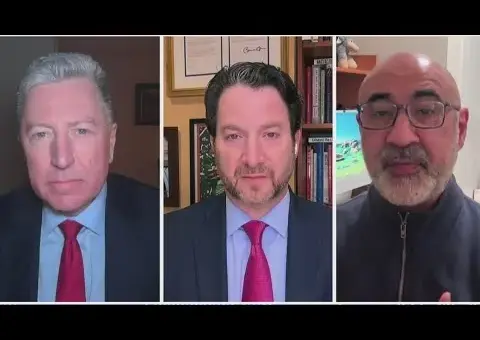
U.S. Iran Tensions Rise Amid Shifting Alliances
Rising tensions between the U.S. and Iran are creating a volatile geopolitical situation. With conflicting signals on de-escalation and potential shifts in alliances like NATO and U.S.-Israel relations, the path forward remains uncertain. The global economy and regional stability hang in the balance.

Iran Targets US With Cyberattacks, Escalating Digital Warfare
Iran is increasingly using cyberattacks to challenge the U.S., as seen in a recent hack of the FBI director's account. Experts say this is a strategic shift due to Iran's limitations in conventional warfare. The U.S. needs to strengthen its digital defenses, focusing on encryption and cloud computing, rather than solely relying on traditional security measures.