Trump’s Conflicting Iran Statements Spark Confusion
Former President Donald Trump's recent, conflicting statements about Iran, oscillating between diplomatic progress and threats of obliteration, have raised concerns about U.S. foreign policy communication. These rapid shifts, punctuated by typos, create confusion and could impact regional stability.

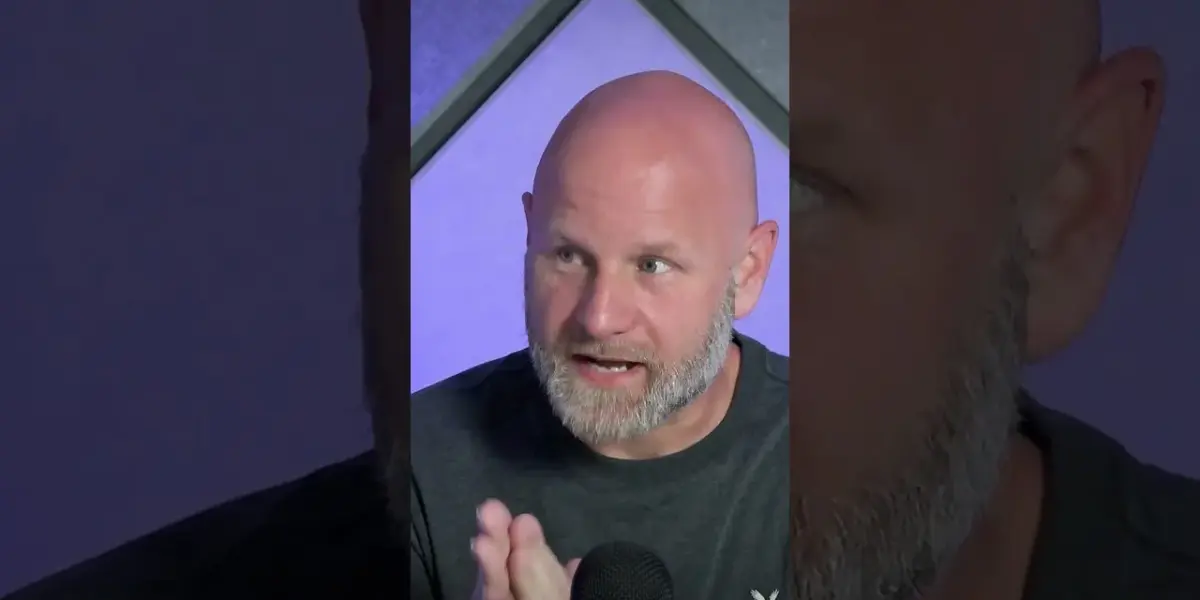
Trump’s Conflicting Iran Statements Spark Confusion
On a recent Monday morning, former President Donald Trump posted on his Truth Social platform about progress in talks with Iran. He stated that the United States and Iran had productive conversations about resolving hostilities in the Middle East. Based on these discussions, he had ordered the Department of War to delay military strikes against Iranian power plants and infrastructure for five days. This move was meant to be dependent on the success of the ongoing meetings.
However, the initial post contained several typos, including misspelling the word “witch.” Trump quickly deleted the message. He then reposted a corrected version a short time later. This situation highlights a notable contrast with statements Trump made just days before.
A Shift in Tone and Strategy
On the preceding Saturday, Trump had declared that the United States had “blown Iran off the map.” He asserted that Iran’s leadership was gone, their military weakened, and they had no defense. He also claimed they were eager to make a deal, which he stated he did not want.
The New York Times, through analyst David Sanger, questioned whether Trump had met his own stated goals regarding Iran. Trump, however, insisted he had achieved his objectives ahead of schedule.
Escalating Threats and Shifting Focus
Adding to the confusion, on Saturday night, Trump issued a stark warning. He stated that if Iran did not fully open the Strait of Hormuz within 48 hours without threat, the U.S. would “hit and obliterate their various power plants.” This threat was specific, mentioning starting with the largest plant.
Then, on Sunday morning, his focus shifted again. Trump declared that the greatest enemy of America was not Iran, but the “radical left” and “highly incompetent Democrats.” This suggests a deflection or a change in perceived priorities.
Historical Context: US-Iran Relations
The relationship between the United States and Iran has been complex and often tense for decades. Following the 1979 Iranian Revolution, diplomatic ties were severed. Tensions have flared over issues such as Iran’s nuclear program, regional influence, and support for militant groups. U.S. policy has varied over administrations, ranging from sanctions and military posturing to attempts at diplomatic engagement.
During Trump’s presidency, relations became particularly strained. He withdrew the U.S. from the Iran nuclear deal (Joint Comprehensive Plan of Action) in 2018 and reimposed harsh economic sanctions. Trump often employed strong rhetoric against Iran, viewing the country as a primary threat in the Middle East.
Analyzing the Discrepancies
The rapid succession of contradictory statements from Trump regarding Iran raises questions about his strategy and communication. One interpretation is that these statements reflect a reactive and perhaps impulsive approach to foreign policy. The conflicting messages could be an attempt to project strength and unpredictability, a tactic sometimes referred to as “madman theory” in diplomacy, where a leader acts irrationally to gain an advantage.
Another perspective is that the statements are aimed at domestic audiences. Trump’s base often responds positively to strong, confrontational language, especially concerning foreign adversaries. The shifting narratives might be designed to energize supporters and project an image of decisive leadership, even if the specifics are inconsistent.
The inclusion of typos and subsequent corrections in official communications also points to potential issues with message control and attention to detail. In high-stakes foreign policy matters, such errors can lead to misinterpretations by allies and adversaries alike. It suggests a lack of rigorous review processes, which is concerning when dealing with international relations.
Why This Matters
Clear and consistent communication is vital in international diplomacy, especially when dealing with potential military conflict. Conflicting messages from a former U.S. president, particularly one who retains significant political influence, can create uncertainty on the global stage. Allies may question U.S. reliability, while adversaries might exploit the perceived division or inconsistency.
The Strait of Hormuz is a critical chokepoint for global oil supplies. Any disruption there can have significant economic consequences worldwide. Therefore, threats and negotiations surrounding it require careful and unambiguous handling. The erratic nature of the statements undermines the seriousness of such threats and negotiations.
Implications and Future Outlook
The inconsistent messaging surrounding Iran could embolden Iranian hardliners who may see U.S. policy as unpredictable or divided. Conversely, it might confuse those within Iran who might be open to de-escalation. The effectiveness of any diplomatic or military strategy is diminished when the leader’s pronouncements are constantly in flux.
Looking ahead, the situation underscores the challenges of managing foreign policy through social media and public pronouncements. The speed at which messages are disseminated, coupled with the potential for errors and rapid shifts in tone, makes it difficult to establish a stable policy framework. This approach can lead to a perception of weakness or indecisiveness, even when intended to project strength.
As the U.S. continues to navigate complex geopolitical issues, the need for coherent and consistent foreign policy communication remains paramount. The events of that Monday morning serve as a stark reminder of how personal communication styles can impact national and international affairs. The long-term consequences of such erratic communication on U.S. credibility and regional stability are yet to be fully understood.
Source: Trump is STRUGGLING to survive (YouTube)

Related Articles
Rubio: US Can Achieve Iran War Goals Without Troops
Senator Marco Rubio outlined a strategy to counter Iran without deploying U.S. ground troops, focusing on weakening the regime and enhancing maritime security. He also criticized Cuba's economic system and expressed concerns about West Bank violence.
Trump’s “Walk Away” Tactic Signals Tougher Stance on China
Retired Air Force Brigadier General David Stillwell believes President Trump's strategy of being willing to walk away from negotiations puts pressure on China. This tactic, combined with US global actions and strengthened alliances, signals a more assertive American foreign policy.
House Republicans Reject Senate Deal, Sparking Government Funding Clash
House Republicans have rejected a Senate bill to end the government shutdown, citing insufficient border security measures. Congressman Randy Fine called the Senate deal a "disgrace" and highlighted the ongoing fight for full government funding. President Trump's executive order to pay TSA agents offers temporary relief, but the core disagreement over border security continues to paralyze Washington.