Trump’s Cognitive Test Failures And Sharpie Saga Emerge
During a wartime cabinet meeting, former President Donald Trump's claims about acing cognitive tests and his elaborate story about expensive pens were highlighted. The speaker questioned Trump's cognitive state and his grasp on reality, suggesting Iran's regime was observing these events.

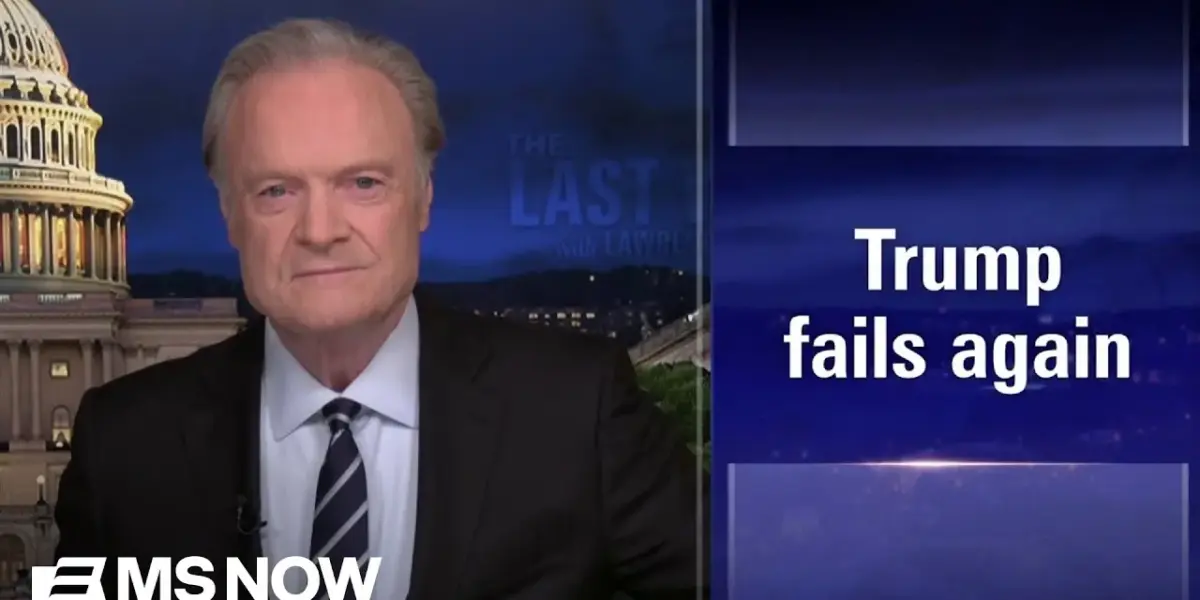
Trump’s Cognitive Test Claims Questioned Amid War Meeting
During a critical cabinet meeting focused on war, former President Donald Trump’s public statements about his cognitive abilities have come under scrutiny. The meeting, held while Iran’s regime was reportedly observing, highlighted concerns about Trump’s mental alertness. Trump has repeatedly claimed to have aced cognitive tests, describing them as difficult and something no other president has undertaken.
The New York Times previously described the test Trump often refers to as a 10-minute screening designed to detect thinking and memory issues. It includes simple tasks like drawing a clock and identifying animals. A perfect score is 30, with 26 to 30 considered normal. Doctors typically administer such tests when they have concerns about a patient’s cognitive health.
Trump stated in the meeting, “I took it three times. It’s actually a very hard test for a lot of people. It wasn’t hard for me, but it’s a cognitive test… I aced it all three times in front of numerous doctors.” He also claimed one doctor told him, “I’ve never seen anybody get them all right.” However, medical professionals note that perfect scores on these tests are common.
Sharpie Anecdote Raises Questions About Trump’s Grip on Reality
Adding to the confusion, Trump launched into a lengthy, seemingly disjointed story about pens during the wartime meeting. He described pens used for bill signings as costing “a thousand dollars a piece” and expressed guilt over handing out such expensive items to people who didn’t understand their value. He contrasted this with a Sharpie pen, which he claimed he could acquire for about five dollars, calling it a better value and a sign of his negotiation skills.
This narrative about $1,000 pens has been disputed. Reports indicate that pens used for bill signings in the White House were high-end but cost around $200, not $1,000. President Bill Clinton reportedly gave the speaker a pen from a bill signing that cost about $200. While President Biden used less expensive pens, they were still significantly less than Trump’s claimed figure. The existence of $1,000 pens for general use is confirmed, but not their use in White House bill signings.
The speaker pointed out that a dozen Sharpies can currently be purchased at a retail store for under $9, making each pen about 75 cents. Trump’s focus on negotiating the price of a Sharpie down to five dollars was presented as an example of his disconnect from everyday costs and priorities, especially in a high-stakes meeting involving national security.
Broader Implications and International Observation
The speaker suggested that Trump’s behavior, including his claims about cognitive tests and his detailed, yet questionable, story about pens, was observable by the Iranian regime. This observation, the speaker argued, could provide insights into who they might be dealing with in terms of American leadership and decision-making capabilities.
The anecdote about the pens also drew parallels to a past political moment in 1992. During that election, President George H.W. Bush’s perceived obliviousness to grocery store prices at a checkout counter was seen as a pivotal moment that harmed his campaign. The current economic climate, with rising gas prices and a focus on affordability, makes Trump’s apparent lack of awareness about the cost of common items like a Sharpie particularly notable.
The narrative suggests that Trump’s focus on a fabricated cost-saving measure, while ignoring the actual complexities of national security and economic policy, demonstrates a lack of the necessary focus and mental capacity for the role of Commander-in-Chief. The speaker concluded that the Iranian regime likely found these events “very illustrative” regarding the state of American leadership.
Looking Ahead
As the political landscape evolves, attention will likely remain on Donald Trump’s public statements and cognitive claims. The credibility of his accounts, particularly when contrasted with readily available facts and expert opinions, will continue to be a subject of public and media interest. The implications of these perceived cognitive lapses and factual inaccuracies, especially in the context of international relations and national security, will be closely watched by voters and global observers alike.
Source: Lawrence: Trump failed his own self-administered cognitive test while Iran's regime was watching (YouTube)

Related Articles
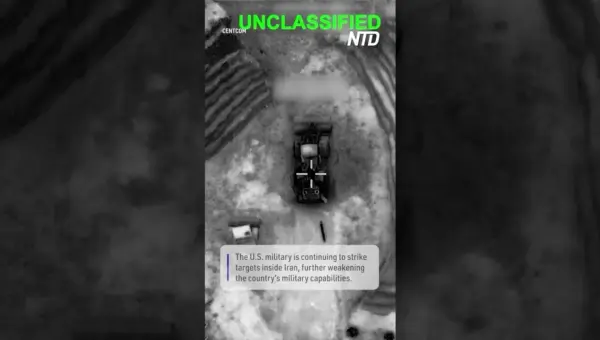
US Strikes Cripple Iran’s Military Might, CENTCOM Reports
U.S. Central Command reports ongoing strikes inside Iran are significantly weakening its military power. This direct action aims to reshape regional security dynamics, but carries risks of escalation. The long-term impact depends on Iran's response and ability to adapt.

Iran Targets US With Cyberattacks, Escalating Digital Warfare
Iran is increasingly using cyberattacks to challenge the U.S., as seen in a recent hack of the FBI director's account. Experts say this is a strategic shift due to Iran's limitations in conventional warfare. The U.S. needs to strengthen its digital defenses, focusing on encryption and cloud computing, rather than solely relying on traditional security measures.

Iran Hacks FBI Chief, Exposing U.S. Cyber Vulnerabilities
A recent hack of FBI Director Kash Patel's personal email by an Iran-linked group highlights Iran's growing cyber threat to the U.S. Experts explain how simple security oversights are exploited, emphasizing the need for basic defenses like two-factor authentication to protect against propaganda and potential infrastructure attacks.