Trump’s ‘Civilization Will Die’ Threat Leaves Historic Stain
A recent statement by former President Donald Trump, threatening that "a whole civilization will die tonight," has been described as a permanent stain on American history. The article contrasts this unprecedented declaration with historical norms and explores the erosion of respect for the presidency.

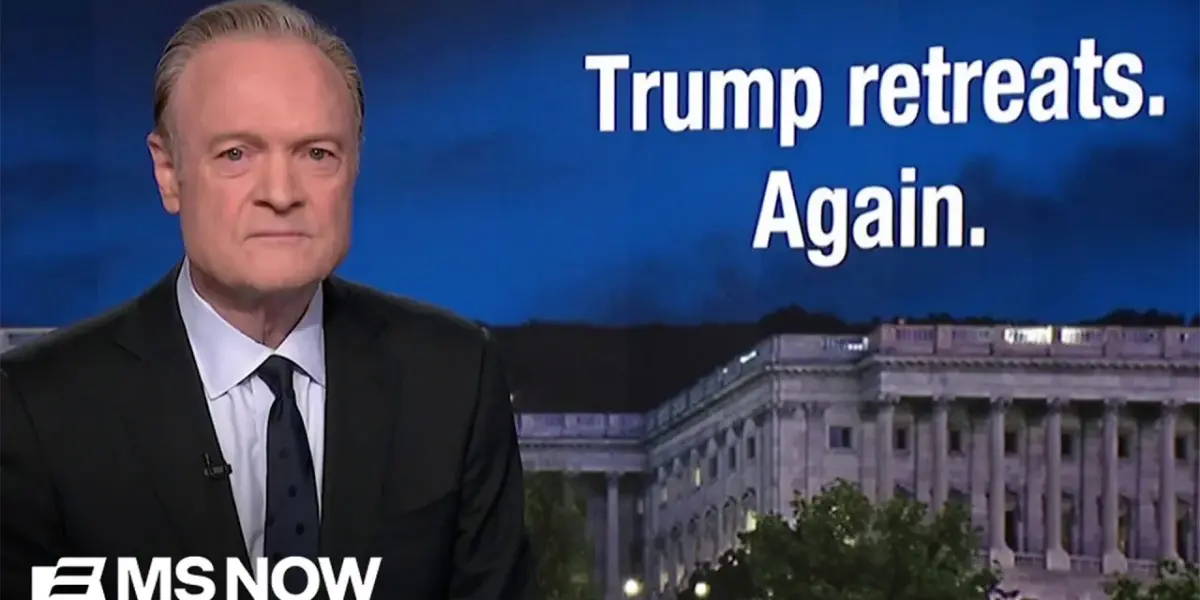
Trump’s Stark Threat Echoes Through History
In an unprecedented statement, a U.S. head of state, Donald Trump, threatened that “a whole civilization will die tonight.” This declaration, made on April 7th, 2026, at 8:06 a.m., stands alone in history, with no recorded instance of a leader, not even the most ruthless tyrants, issuing such a dire warning to an entire civilization.
This chilling remark has left a permanent mark on American history, marking the United States as the first nation to produce a leader capable of such a statement. The gravity of Trump’s words suggests that a fundamental aspect of American civilization, one built on democratic ideals and the rule of law, may have already perished.
The Erosion of Presidential Norms
The article traces the evolution of the American presidency, from the foundational model of the British Parliament to the U.S. Constitution and nearly 250 years of presidential history. This lineage, which established the presidency as a respected institution, has been fundamentally altered by Donald Trump’s elevation to the office for a second time. This suggests his first term was not merely an anomaly of the Electoral College.
The nation that once saw itself as the world’s moral compass elected a president with a criminal conviction for business fraud and a hush-money payment scandal. Furthermore, he faced indictments for violating the Espionage Act, illegal possession of classified documents, and conspiracy against the United States for attempting to overturn an election.
When such a figure is elected, the very structure of American civilization, the one that forged the Constitution and guided the nation through nearly 250 years, begins to fray. The presidency, once held by figures deeply respectful of the civilization that created the office, now appears to be occupied by someone who may not grasp its significance. This, the article argues, is the true sign of a civilization’s collapse.
A Presidency Without Awe
While Americans have always had differing views on individual presidents, a fundamental respect for the office itself remained. Even in times of strong disagreement, the presidency commanded awe and respect. This collective reverence for the institution, the article contends, is what has died.
The author recalls a childhood pledge of allegiance, where a photograph of the President, regardless of party, stood beside the flag, symbolizing unity. The author questions what educators could possibly say to students today when faced with a president who, on Easter Sunday, issued profanity-laced threats via social media.
Specifically, on Easter Sunday at 8:03 a.m., Trump posted a message threatening to destroy every power plant and bridge in Iran. This implied promise to commit a war crime, coupled with ridicule of the Iranian people, left educators struggling to explain such actions to their students.
Wall Street’s Calculated Disregard
Despite the president’s terrifying declaration, the opening of Wall Street trading that morning proceeded as normal. The financial markets seemed unconcerned, operating under the assumption that Trump would ultimately back down from his threat. This expectation, a phrase coined to describe his behavior, suggests a pattern of bluster rather than genuine intent.
Wall Street’s prediction proved accurate; Trump did not follow through with the full extent of his threats. However, the article stresses that the words themselves, the mere threat of violence intended to terrorize a civilian population, constitute a war crime under Article 51 of the Geneva Conventions. This international law, adopted by the U.S., applies to all citizens, including the president.
Netanyahu’s Influence and Dubious Counsel
The article highlights reporting from The New York Times, suggesting that Israeli Prime Minister Benjamin Netanyahu may have influenced Trump’s stance on Iran. A meeting in the Situation Room, where Netanyahu discussed the potential success of a joint U.S.-Israeli war against Iran, was described as “farcical” by Trump’s CIA director. Marco Rubio reportedly had to translate the term for Trump, indicating a potential lack of understanding of complex language.
This reporting strengthens the argument that Netanyahu played a significant role in pushing Trump toward conflict. Sources within the Trump administration and possibly the Israeli government appear to have provided details to The New York Times, shedding light on the dynamics of these crucial discussions.
Vance’s Opposition Amidst Fear
Among Trump’s advisors, Vice President J.D. Vance emerges as the sole clear opponent to a war with Iran, according to the Times’ reporting. Many other advisors and cabinet members seemed hesitant to voice opposition, fearing Trump’s reaction.
Marco Rubio, serving as both Secretary of State and National Security Advisor, is criticized for providing no clear advice on whether to go to war. The article labels him the worst National Security Advisor in history for this lack of guidance.
Right-wing commentator Tucker Carlson is also mentioned, with The Times reporting a phone conversation between him and Trump weeks before the potential conflict. Trump reportedly tried to reassure Carlson, who was worried about the war, by saying, “it’s going to be okay.” When asked how he knew, Trump replied, “because it always is.” The article characterizes this exchange as an example of Trump’s “rank stupidity.”
A Legacy of Terror
The article concludes that while bombs cannot destroy an entire civilization, Trump’s threat of such terror leaves an indelible moral stain on American history. As the only person in control of nuclear weapons to have ever promised such widespread destruction, his words will forever be remembered as a dark chapter.
This threat, a promise of terror, will not die. It will remain a permanent part of the historical record, a testament to the moment when a U.S. president uttered words that threatened the very existence of a civilization.
Source: Lawrence: Trump's threat to destroy 'a whole civilization' leaves a permanent stain on our history (YouTube)

Related Articles

Calls Grow for Trump’s Removal Over Iran Stance, Military Concerns
Calls for President Trump's removal via the 25th Amendment are growing, fueled by his rhetoric on Iran and concerns about his fitness for office. Veterans and political figures are questioning his leadership, especially its impact on military families and foreign policy clarity. Additionally, worries are surfacing about the integrity of local journalism amidst alleged political influence.

Trump Halts Iran Threats, Agrees to Cease-Fire Talks
President Donald Trump has agreed to a two-week cease-fire deal with Iran, halting threats of military strikes just moments before a deadline. The move follows escalating tensions and includes a proposal for negotiations, though experts remain cautious about the long-term implications and Iran's continued control over the Strait of Hormuz.


Iran Outmaneuvers Trump, Secures Deal Better Than Pre-War
President Trump threatened a devastating attack on Iran but later announced a two-week ceasefire brokered by Pakistan. Iran claims the deal includes concessions on the Strait of Hormuz and sanctions, a significant shift from the pre-war situation. Critics, including Senator Mark Kelly, question Trump's strategy and the long-term implications of the deal.