Trump’s Ceasefire Gambit Falters as Iran Threatens
Iran is threatening to abandon the US-brokered ceasefire with Israel unless Lebanon is no longer bombed. Diplomatic sources claim Trump and Israel privately agreed to include Lebanon in the deal, despite public denials. The situation is volatile, with potential for renewed conflict.


Trump’s Ceasefire Gambit Falters as Iran Threatens
On April 9th, 2026, the fragile ceasefire between the US and Iran is teetering on the edge of collapse. Iran is issuing a strong warning: stop the bombing of Lebanon immediately, or they will walk away from the deal entirely. This situation is becoming increasingly unstable.
Sources close to the diplomatic talks have revealed a stunning development to CBS News. They claim that former President Trump personally agreed that Lebanon would be included in the ceasefire terms. Israel also reportedly agreed to this. However, both sides are now publicly denying this agreement, creating confusion and distrust.
Iran’s Parliament Speaker, Galab, has issued a stark warning, stating, “Time is running out.” The Iranian president has also declared that Israel’s continued strikes on Lebanon are a clear violation of the agreement. He added that Iran’s finger remains on the trigger, indicating a readiness to retaliate. A senior Iranian adviser posted this morning that without a complete stop to Israeli actions in Lebanon, missiles are prepared to be launched.
The Human Cost
Since the ceasefire was announced on Tuesday, Israel’s actions in Lebanon have been deadly. At least 256 people have been killed, and over 1100 have been wounded. Israeli Prime Minister Netanyahu has stated that Israel still has objectives to complete. He plans to achieve these goals, whether through agreement or by force.
Conflicting Narratives and Strange Imagery
Former President Trump, who had initially called the 10-point Iran framework a “fake hoax,” is now facing scrutiny. This is especially true since he announced he was using it as the basis for the entire deal. Trump posted last night that US military forces would remain in place around Iran until the deal was honored. He warned that if it wasn’t, “the shooting starts.” In a peculiar social media post, Trump shared an AI-generated image of himself and UFC President Dana White at a staged event. The image showed them outside a UFC fight at the White House with lightning bolts in the sky, a detail many found odd and out of place.
Meanwhile, Melania Trump held a press conference to address rumors. She asked people to stop suggesting she has ties to Jeffrey Epstein. The entire event struck many as strange and unexpected.
Economic and Military Strains
Beyond the immediate crisis, other developments are causing concern. Trump is pressuring NATO allies to immediately send warships to the Strait of Hormuz. He has also been criticizing NATO publicly on social media platforms. Economically, the Gross Domestic Product (GDP) for the fourth quarter of 2025 has been revised downwards for the final time. It was initially reported as 1.4%, then revised to 0.7%, and now stands at 0.5%. This downward revision suggests a weaker economic performance than previously thought.
Furthermore, the construction of Trump’s proposed $400 million White House ballroom is reportedly using foreign steel. This raises questions about domestic industry support and procurement practices. In a separate military incident, injured US soldiers are publicly disagreeing with Defense Secretary Pete Buttigieg’s account of a recent drone attack. One soldier told CBS News that their unit was caught completely unprepared and was not in a fortified position at the time of the attack. This contradicts the official narrative.
Adding to the political tension, House Republicans blocked Democrats from holding a vote on a resolution concerning war powers related to Iran. This move prevents a formal debate and potential vote on the US involvement and authority in the region.
Why This Matters
The current situation highlights the extreme volatility surrounding international diplomacy, particularly in the Middle East. The alleged back-and-forth on ceasefire terms, coupled with public denials, erodes trust and makes de-escalation incredibly difficult. The inclusion of Lebanon in the conflict, even indirectly, broadens the scope of potential escalation and increases the risk of a wider regional war.
The effectiveness and reliability of international agreements are at stake. When key players reportedly agree to terms privately but deny them publicly, it creates a dangerous environment for negotiation. This can lead to miscalculations and unintended consequences.
Implications and Future Outlook
The immediate implication is a heightened risk of renewed conflict. If Iran feels its demands are ignored and its security is threatened, it may follow through on its threats. This could trigger a significant military response, drawing in other regional and international powers. The economic impact of such a conflict, particularly on global energy markets, would be substantial.
The conflicting accounts from injured soldiers also raise serious questions about military preparedness and transparency. If troops on the ground feel unprotected and their leadership’s account differs, it can damage morale and public confidence in military leadership. The blocking of the Iran War powers resolution by House Republicans suggests a political division on how to handle foreign policy challenges, potentially leaving future actions without clear congressional oversight.
Historical Context
The current tensions are part of a long and complex history between the US, Iran, and Israel. The region has been a flashpoint for decades, marked by proxy conflicts, shifting alliances, and periods of intense hostility. The original Iran nuclear deal, which Trump withdrew from, created a precedent for such agreements being made and then broken, contributing to the current climate of suspicion.
The history of US involvement in the Middle East, including military interventions and diplomatic efforts, provides a backdrop to these events. Understanding past successes and failures in brokering peace and stability is crucial for analyzing the current situation. The concept of war powers resolutions itself stems from a desire by legislative bodies to have a say in when and how the nation engages in conflict, a power that is currently being debated and contested.
Source: BREAKING NEWS UPDATES — 4/9/26 – 4:46PM ET (YouTube)

Related Articles
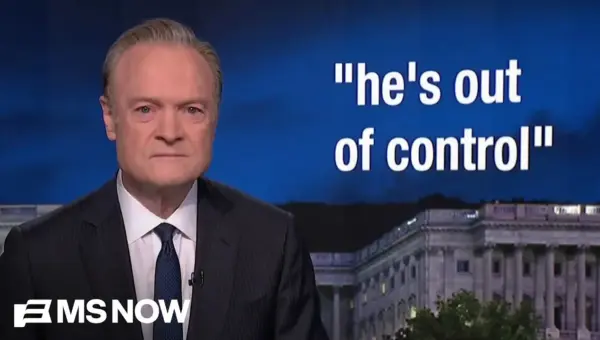
Trump Faces Backlash as Allies Criticize His War Strategy
Donald Trump is facing increasing criticism from allies and political figures over his handling of a foreign conflict, with concerns mounting about his mental stability and decision-making. His wife, Melania Trump, has entered the discourse, calling for testimony from Epstein survivors, while figures like Marjorie Taylor Greene question his fitness for office. Reports also highlight issues with military preparedness and Trump's unique approach to international negotiations.
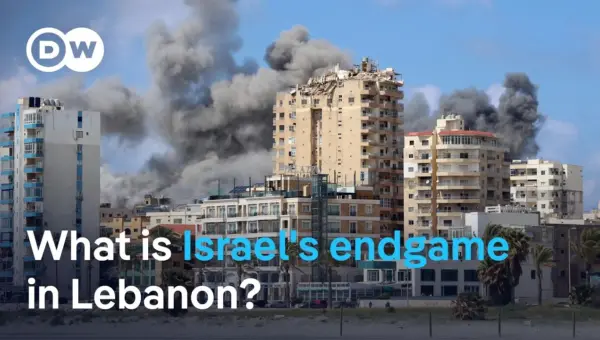
Israel Bombs Beirut, Netanyahu Approves Talks Amid Ceasefire Confusion
Israel has bombed Beirut and approved talks with Lebanon amid confusion over a US-Iran ceasefire deal. Analyst Shakria Brados explains the differing goals of the US and Israel, and how a shift in Lebanese government policy may enable cooperation against Hezbollah.


Teachers Face Crisis Amid Shifting Education Goals
America's teachers are facing a crisis, struggling with declining student engagement and increasing politicization. Author James Patterson's new book highlights these challenges, emphasizing the need to let teachers teach and support their vital role in shaping the nation's future.