Trump’s Call to Astronauts Creates Cringe-Worthy Silence
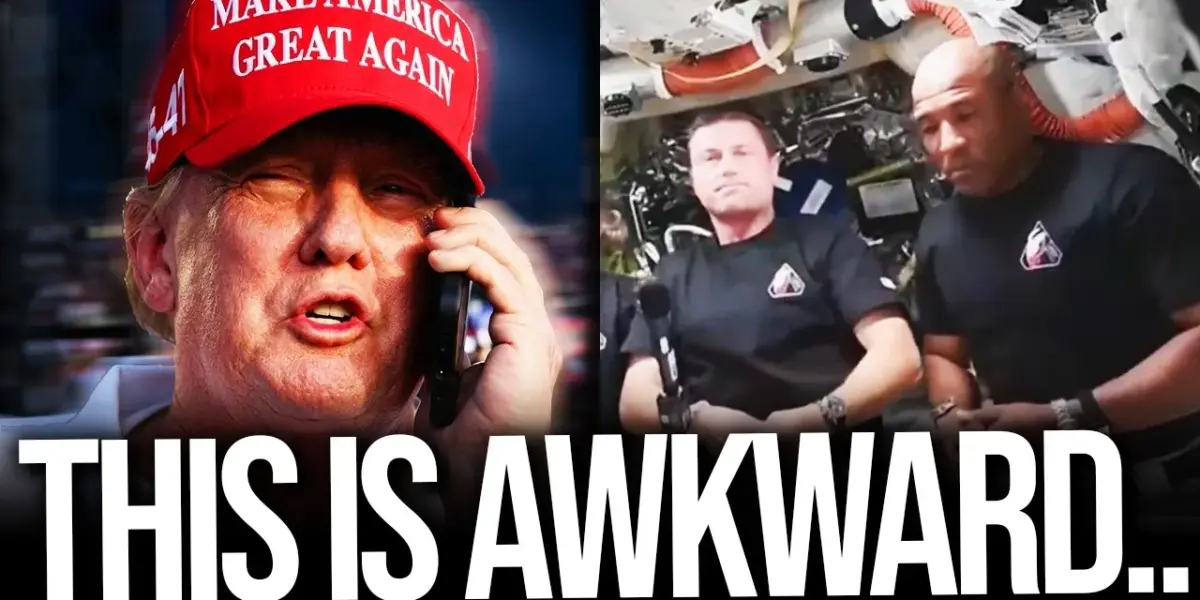
Donald Trump's call to the Aremis 2 astronauts, a historic space mission, devolved into an awkward monologue about his own achievements, leaving astronauts in extended silence. This incident highlights a perceived pattern of self-focus by the former president, overshadowing a moment of national pride.

Trump’s Call to Astronauts Creates Cringe-Worthy Silence
The recent Aremis 2 space launch was a significant moment for space exploration. It marked a historic journey with astronauts from both Canada and the United States on board. Notably, this mission included the first woman assigned to a lunar mission and the first Black person to travel on a lunar mission. These achievements represent progress and a shared human endeavor towards a brighter future.
However, the event was interrupted when former President Donald Trump called in. His call, intended to express pride, quickly turned into a lengthy speech about his own accomplishments, particularly regarding the creation of Space Force. This shift from acknowledging the astronauts’ achievement to focusing on himself created an awkward atmosphere.
The transcript highlights how Trump framed his decision about NASA in his first term, stating he had to choose between reviving it or closing it down. He emphasized his role in establishing Space Force, calling it “my baby” and one of the most important decisions he has ever made. This self-congratulatory tone stood in stark contrast to the profound personal and professional achievement of the astronauts.
One observer noted that the astronauts were likely experiencing the proudest moment of their lives and would not want their experience ruined by a political figure’s lengthy speech. They were trained to remain professional and smile, enduring the call rather than reacting negatively to the president’s monologue.
An Awkward Pause
The situation grew more uncomfortable when, after Trump finished his remarks, an extended period of silence followed. This lack of immediate response from the astronauts was described as “dead air.” The transcript suggests this was not a technical issue but rather a moment where the astronauts had nothing to add after Trump’s lengthy address.
During this silence, a communication check was initiated. Administrator Alexman asked if the astronauts were still on the line. One astronaut confirmed they were, but no further conversation followed, deepening the awkwardness. This silence was interpreted by some online as a desire to escape the call, with comments suggesting the astronauts were as far from Earth as possible and still wanted to avoid the former president.
A Pattern of Self-Focus
The incident is presented as an example of a larger pattern of Donald Trump inserting himself into events and making them about him. The transcript mentions his name being placed on buildings in Washington D.C., including the Trump Kennedy Center, which was renamed during his term. This tendency to seek personal glory and attach his name to significant places is seen as a recurring theme.
While a president calling a space mission is not inherently strange, the way it unfolded in this instance turned a moment of national pride into something resembling a campaign rally. The astronauts, instead of appearing overtly proud of the call, seemed indifferent, wanting only to get through the interaction.
The reality is the people who are on board right now, they’re not going to have some adverse reaction to the president of the United States speaking to them because this is the proudest moment of their life.
The author of the transcript emphasizes that the astronauts’ incredible achievement should not be overshadowed by a “weird ass hat call.” However, the discomfort caused by the former president’s behavior is undeniable.
Broader Context and Distractions
The analysis also briefly touches upon unrelated news occurring simultaneously. During the Aremis 2 call, Trump reportedly expressed confidence in reaching a deal with Iran regarding the Strait of Hormuz. However, news emerged that negotiators were pessimistic about Iran meeting his demands. This mention serves to highlight a perceived pattern of distraction or misdirection during significant national events.
The transcript concludes by reiterating the importance of holding the Trump administration and its media allies accountable. The author states their commitment to challenging MAGA viewpoints through debates and public discourse, seeking support from their audience to continue this mission.
Why This Matters
This incident, though seemingly minor, speaks to broader themes of political discourse and leadership. It raises questions about how public figures use moments of national pride for personal branding and political messaging. The awkward silence experienced by the Aremis 2 astronauts serves as a powerful, albeit uncomfortable, illustration of how self-centeredness can disrupt moments meant for collective celebration and achievement.
Implications and Future Outlook
The event highlights the ongoing tension between celebrating scientific and national achievements and the pervasive nature of political personalities. As space exploration continues to advance with missions like Aremis, the public may increasingly witness attempts by political figures to align themselves with these endeavors. Future launches could see more scrutiny on how political figures engage with these events, with a greater expectation for them to support and uplift rather than to redirect attention to themselves.
Historical Context
Throughout history, presidents have used moments of national pride, such as scientific breakthroughs or military successes, to connect with the public and project an image of strong leadership. However, the nature of media and political communication has evolved. What might have once been a brief, congratulatory call can now be amplified and analyzed through social media and independent news outlets, bringing a different level of public scrutiny to such interactions.
Source: Trump Stuns Astronauts to Silence after THIS (YouTube)

Related Articles


Republican Party’s Trump Era: A Reckoning Looms
A sharp critique argues the Republican Party is complicit in the nation's current struggles, urging voters to reconsider their support. The analysis questions the party's benefit to anyone but the wealthy, citing economic hardship as evidence.


Trump Ditches Vance’s Call, Shows Favor for Rubio
Senator JD Vance's live rally call to Donald Trump went unanswered, leading to an awkward voicemail. The incident suggests a potential cooling of relations between Vance and Trump, with a perceived favoritism towards Senator Marco Rubio.
Trump’s Iran Threats Spark War Crimes Fears
Former President Donald Trump's extreme threats against Iran have led to a communication blackout and fears of war crimes. Iran has warned of severe regional retaliation if attacked, while international figures call for Trump's removal from office.