Trump’s Cabinet Meeting Reveals War Strategy Confusion
President Trump's cabinet meeting on the Iran conflict revealed a focus on energy independence, sharp criticism of NATO, and a unique communication style. Questions arose about the accuracy of claims regarding oil shipments and the administration's strategy.

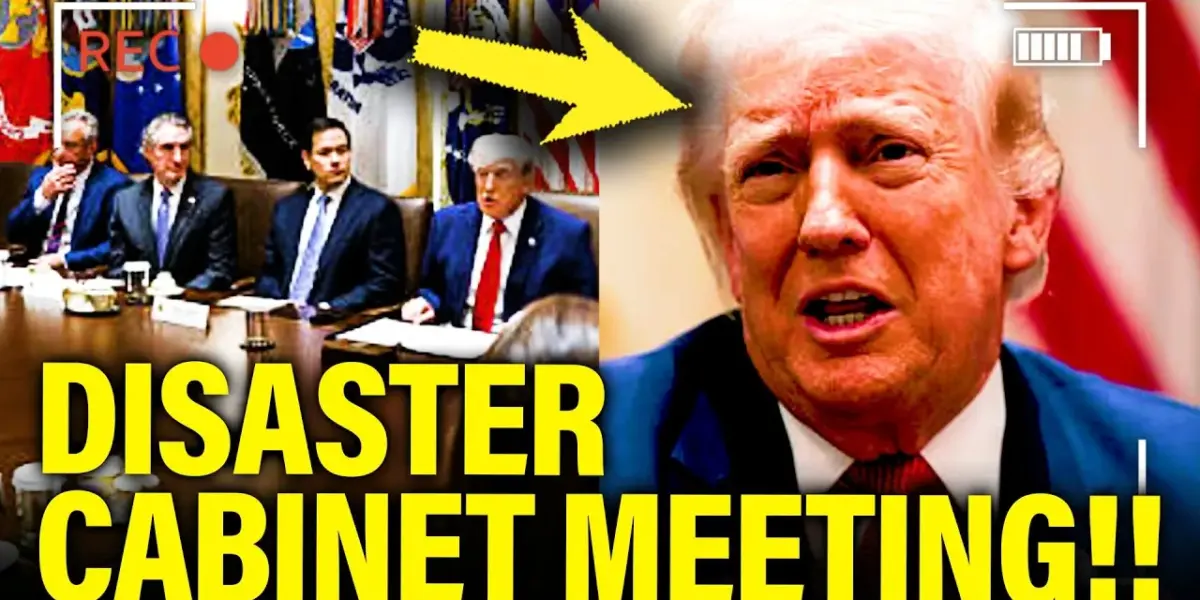
Trump’s Cabinet Meeting Reveals War Strategy Confusion
A recent White House cabinet meeting, focused on the ongoing conflict in Iran, revealed significant confusion and strong opinions regarding the United States’ strategy. President Donald Trump’s remarks during the meeting painted a picture of a leader grappling with complex foreign policy decisions, often veering into personal opinions and past grievances.
Oil Independence and NATO’s Role
Early in the meeting, President Trump asserted that the Strait of Hormuz, a key waterway for global oil transport, is not vital to the U.S. economy. “We have so much oil,” he stated, claiming American reserves far exceed those of Saudi Arabia and Russia. This perspective suggests a belief in American energy independence, potentially lessening the impact of disruptions in the Middle East. However, this assertion was met with skepticism by some observers, who pointed to the global nature of energy markets.
Trump then shifted to criticize NATO, calling the alliance’s response to the Iran conflict a failed test. He expressed disappointment, suggesting that the U.S. had been let down by NATO members. He implied that a lack of support in this instance would be remembered, using the phrase “never forget.” This highlights a growing tension between Trump and traditional international alliances, suggesting a transactional view of security partnerships.
Rhetoric on Iran and Military Options
When questioned about potentially taking control of Iran’s oil, Trump described it as “an option,” drawing a comparison to U.S. actions in Venezuela. He claimed that U.S. involvement in Venezuela had brought billions of dollars and improved the country’s situation, a statement that itself is a subject of debate among foreign policy experts. His communication style, often described as aggressive, led to concerns that it could further inflame tensions with Iran.
Trump also touched upon the possibility of invoking the 25th Amendment, which allows for the removal of a president deemed unfit for office. He suggested that if he revealed too much about his plans, his cabinet might consider such a move. He contrasted this with the situation of President Biden, whom he felt should have faced such scrutiny. This comment sparked debate about the stability of his administration and his own confidence in his decision-making.
Cognitive Tests and Leadership
The conversation then turned to cognitive tests. Trump stated that he had taken and aced a difficult cognitive exam multiple times, challenging other leaders to do the same. He expressed a desire for presidents and vice presidents to undergo such testing, stating he did not want “a person with mental disability” as president. This focus on cognitive ability, while seemingly aimed at ensuring capable leadership, was seen by some as a distraction from pressing foreign policy issues and potentially offensive to those with disabilities.
International Relations and Disagreements
Trump also criticized Germany’s stance on the Iran conflict, calling its statement that it was “not our war” inappropriate. He drew a parallel to the war in Ukraine, suggesting that allies should be more involved. This underscores his belief in a shared responsibility among allies, even when direct national interests might seem less apparent.
A significant point of contention arose regarding Iran’s alleged gift of oil shipments. Trump claimed Iran allowed eight oil ships to pass through the Strait of Hormuz as a gesture. However, independent tracking data from sources like Bloomberg showed no evidence of such a large-scale movement. This discrepancy raised questions about the accuracy of the information being presented and fueled speculation about the president’s understanding of events.
Focus on Domestic Projects and Alliances
Amidst discussions of international conflict, Trump also spoke about domestic projects, including a new ballroom at the White House and a triumphal arch. He also mentioned redesigning the Kennedy Center. These remarks, made during a meeting about war, suggested a mind preoccupied with legacy projects alongside pressing security concerns.
His criticism of NATO continued, calling it a “paper tiger” and reiterating that the U.S. would come to their aid, but they would not reciprocate. He dismissed offers of help from allies as too late or inadequate, further straining relationships with key partners.
Strategic Decisions and Munitions Diversion
The meeting also addressed the complex issue of military aid. When asked about reports of diverting munitions intended for Ukraine to the Middle East, Trump acknowledged this practice. He explained that the U.S. has vast amounts of ammunition stored in various locations and that resources are often shifted as needed. He also commented on the significant aid provided to Ukraine under the Biden administration, suggesting it was excessive.
Regarding Iran’s control over the Strait of Hormuz, Trump stated that while Iran shouldn’t be able to charge tolls, they were doing so. He asserted that Iran’s capabilities were diminishing, despite evidence to the contrary. He expressed a belief that Iran was eager to negotiate a deal, hinting at potential diplomatic breakthroughs.
Treasury Secretary’s Perspective
Treasury Secretary Scott Bessenden offered a different perspective, emphasizing the American people’s resilience to short-term economic volatility in exchange for long-term security. He predicted that energy prices and inflation would decrease, leading to “absolute security.” This outlook suggests a confidence in the administration’s economic and security policies, despite the turbulent geopolitical climate.
Why This Matters
This cabinet meeting, as portrayed, highlights several critical issues. Firstly, it underscores the potential for foreign policy decisions to be influenced by personal grievances and a transactional view of international relations. Trump’s focus on NATO’s perceived failures and his own importance, rather than a unified allied front, could weaken collective security. Secondly, the stark contrast between his pronouncements and verifiable facts, such as the Strait of Hormuz oil shipments, raises concerns about the reliability of information guiding U.S. foreign policy.
Furthermore, the rhetoric used, particularly concerning cognitive abilities and potential mental disability, is divisive and detracts from substantive policy discussions. The reported diversion of munitions from Ukraine to the Middle East also signals a shifting focus and potential resource constraints in supporting allies. The administration’s approach appears to be one of projecting strength and demanding loyalty, with less emphasis on traditional diplomatic consensus-building.
Implications, Trends, and Future Outlook
The trends emerging from this meeting suggest a continued emphasis on unilateral action and a skepticism towards international cooperation. The focus on energy independence, while potentially beneficial, could also isolate the U.S. from global energy dynamics. The administration’s approach to Iran appears to be a mix of strong rhetoric, potential military action, and a belief in its own negotiating prowess. The effectiveness of this strategy remains to be seen, especially in a region with complex geopolitical rivalries.
Looking ahead, the U.S. will likely continue to navigate its role in global conflicts with a distinct leadership style. The emphasis on transactional relationships could reshape alliances, potentially leading to both stronger bilateral ties and a more fragmented international order. The administration’s success will depend on its ability to balance assertive policies with stable diplomacy and to maintain credibility both domestically and internationally.
Historical Context and Background
The Strait of Hormuz has long been a critical chokepoint for global oil, and its security has been a major concern for decades. U.S. foreign policy in the Middle East has historically involved balancing regional stability with countering threats from countries like Iran. NATO, established after World War II, has evolved significantly, with its members increasingly debating burden-sharing and the alliance’s relevance in a changing world. President Trump’s critiques of NATO echo long-standing concerns about defense spending among European allies, but his direct and often confrontational style marked a departure from previous administrations.
Discussions about presidential fitness and cognitive ability are not new in American politics, but Trump’s open challenges and self-assessments were particularly prominent. The use of the 25th Amendment has been debated in various administrations but has rarely, if ever, been seriously considered for implementation. The dynamics of U.S.-Iran relations are deeply rooted in historical events, including the 1979 revolution and subsequent U.S. sanctions, creating a complex and often adversarial relationship.
Source: Trump CRASHES OUT in CABINET MEETING over WAR!! (YouTube)

Related Articles
Trump’s “Walk Away” Tactic Signals Tougher Stance on China
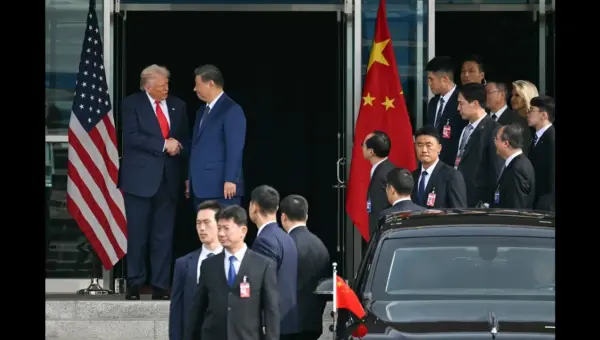
Retired Air Force Brigadier General David Stillwell believes President Trump's strategy of being willing to walk away from negotiations puts pressure on China. This tactic, combined with US global actions and strengthened alliances, signals a more assertive American foreign policy.

Tiger Woods Arrested for DUI After Crash
Golf legend Tiger Woods was arrested for DUI in Florida following a dramatic rollover crash. Meanwhile, a government shutdown continues as House Republicans block a Senate deal, leading to airport chaos and TSA worker pay issues. The stock market also plummeted into correction territory amid fears of a prolonged Iran conflict.
Trump’s Name Everywhere: A ‘Stain’ on GOP Legacy?
Former President Donald Trump's efforts to brand national symbols, including a proposed signature on dollar bills, spark debate. Critics view this as an authoritarian attempt to embed his legacy, potentially staining the Republican Party's history and contrasting with democratic ideals of public ownership.