Trump’s Budget Plan Sparks Outrage, Strains Party
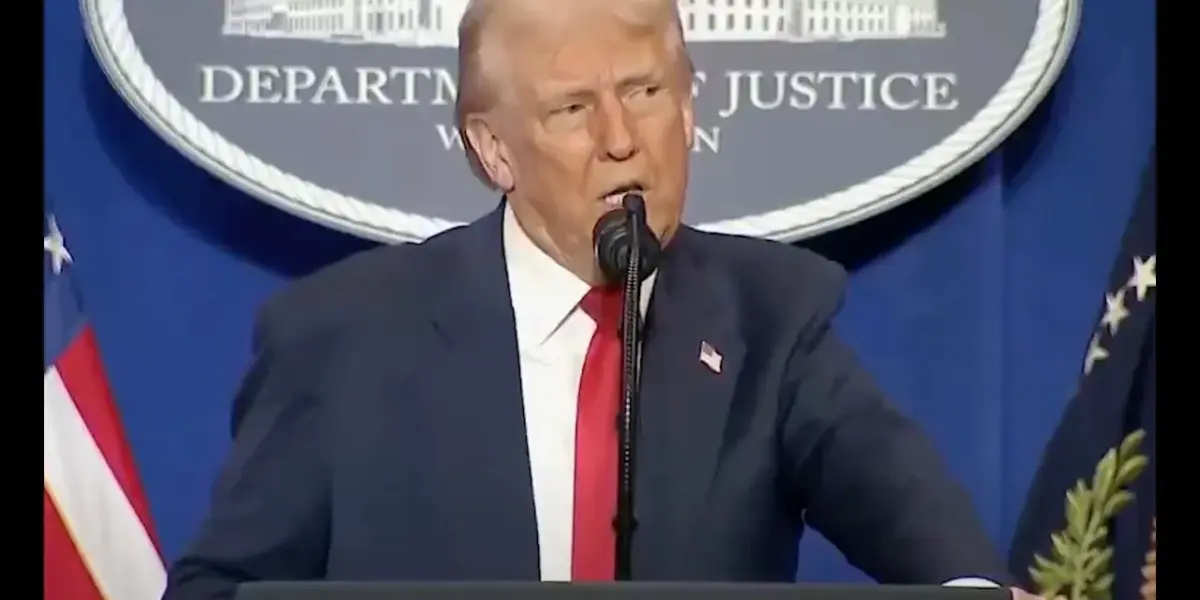
Donald Trump's proposal for a $1.5 trillion defense budget, nearly double current spending, is drawing sharp criticism. The plan involves deep cuts to domestic programs like healthcare and education, contrasting with his past calls for ending foreign wars.

Trump’s Bold Budget Proposal Jolts Political Landscape
Donald Trump recently unveiled a defense budget proposal that has sent shockwaves through Washington and beyond. He is asking for a staggering $1.5 trillion for defense spending. This is a massive increase from the current defense budget, which stands at about $875 billion. If approved, this would nearly double the United States’ defense expenditure.
This proposed budget would mean the U.S. would account for roughly 60% of the world’s total military spending in 2025, which is estimated to be around $2.5 trillion. This announcement comes from a political figure who has spent years, especially leading up to his election, promising to end new wars for the U.S. He has often spoken out against costly military engagements abroad.
A Stark Contrast to Past Statements
Back in 2019, Trump himself tweeted about the financial and human cost of American involvement in the Middle East. He stated, “The United States has spent $8 trillion fighting and policing in the Middle East. Thousands of our great soldiers have died or been badly wounded. Millions of people have died on the other side. Going into the Middle East is the worst decision ever made.” Now, the same leader is proposing a budget that would significantly increase U.S. involvement and spending in that same region.
Deep Cuts to Domestic Programs
The sheer scale of the proposed defense budget would necessitate deep cuts to numerous domestic programs. To fund this ambitious plan, Trump’s proposal includes drastic reductions across various sectors. Here’s a sample of the proposed cuts:
- EPA budget cut by half
- $10.7 billion cut for housing programs
- $8.5 billion cut for K-12 education
- Cancellation of $15 billion for clean energy initiatives
- $2.5 billion cut for clean drinking water projects
- Elimination of $1.5 billion for youth job training
- $3.5 billion cut from the Labor Department
- $395 million cut from senior employment programs
- $775 million cut from food assistance grants
- Elimination of the National Endowment for Democracy
- $5 billion cut from the National Institutes of Health
- Elimination of the low-income home energy assistance program
These cuts paint a picture of a significant shift in priorities, moving funds away from social services, environmental protection, and public health towards military spending.
A Pattern of Policy Shifts
Critics point out a pattern of policy shifts that seem to contradict Trump’s campaign promises. His presidency saw the launch of a trade war that increased costs for consumers. It also included cuts to Medicaid for millions and reduced food assistance. Furthermore, subsidies for the Affordable Care Act were reduced, impacting millions more. Inflation also rose significantly during his term.
Now, the proposed cuts to essential domestic programs to fund military action in the Middle East, a conflict with no clear objective and significant costs, are seen by many as directly opposed to an “America First” agenda. This approach prioritizes international military engagement over the well-being of American citizens and domestic infrastructure.
The Republican Party’s Dilemma
The proposed budget also places the Republican Party in a difficult position. Many members have historically aligned with Trump’s base and rhetoric. However, this budget proposal directly conflicts with the needs and priorities of many voters who rely on the very programs facing cuts. The party faces a challenge in reconciling Trump’s agenda with the concerns of their constituents.
The transcript highlights a sentiment that many Republicans are avoiding confrontation with Trump, fearing backlash or negative attention. This has led to a record number of GOP retirements in the House, with some members apparently choosing not to seek re-election due to the political climate. The upcoming elections could see many Republican seats at risk, especially those won by narrow margins, a situation potentially worsened by this controversial budget proposal.
Why This Matters
This proposed budget is significant because it represents a potential reordering of national priorities. It highlights a conflict between a strong national defense and robust domestic investment. The cuts to programs affecting healthcare, housing, education, and food security could have long-term consequences for millions of Americans. The debate over this budget will shape discussions about the role of the U.S. in the world and its commitment to its own citizens.
Historical Context
The U.S. has a long history of significant defense spending, particularly during times of international conflict. However, the scale of the proposed budget, nearly doubling current levels and representing a majority of global military spending, is noteworthy. The tension between domestic needs and foreign policy commitments is a recurring theme in American political history. This proposal brings that tension to the forefront.
Future Outlook
The future of this budget proposal remains uncertain. It faces significant hurdles in Congress, where it will likely be debated intensely. The political fallout for both Donald Trump and the Republican Party could be substantial, depending on how this proposal is received and debated. The administration’s ability to balance national security concerns with domestic well-being will be a key focus in the coming months.
“We have to take care of one thing. Military protection. We have to guard the country. But all these little things, all these little scams that have taken place… We have to let states take care of them.” – Donald Trump (as quoted in the transcript)
Source: Trump forced to make BOMBSHELL confession (YouTube)

Related Articles


Trump Threatens Iran, Shaking Global Stability
Former President Trump's aggressive Easter Sunday warning to Iran has ignited global concerns, highlighting a volatile intersection of politics, religion, and foreign policy. The analysis explores the motivations behind such rhetoric, the deep divisions within American society, and the potential for severe economic and geopolitical repercussions worldwide.


Trump’s Rhetoric Fuels Iran Tensions, Raises War Crime Alarms
Former President Donald Trump's aggressive Easter weekend social media posts directed at Iran have sparked international concern. His threats of military action and ultimatums, coupled with conflicting narratives about military engagements, have raised alarms about potential war crimes and a dangerous escalation of conflict. Critics accuse both Trump and segments of the media of downplaying the severity of his rhetoric.
Trump’s Vulgar Iran Threat Sparks Global Outrage
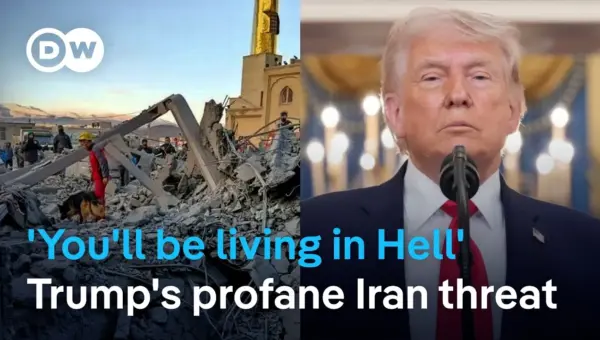
President Donald Trump issued a highly profane threat against Iran via social media, warning of attacks on civilian infrastructure if the Strait of Hormuz was not opened. Experts suggest the outburst stems from frustration and desperation, while legal scholars warn of potential war crimes. The situation continues to escalate, with significant economic and political implications for the region.