Trump’s Border Deal Sabotage Exposes GOP Divisions
Former President Donald Trump's alleged directive to block a Homeland Security funding deal reveals deep divisions within the Republican party. Speaker Mike Johnson faces pressure to reconcile party loyalty with governing, while concerns over ICE conduct remain.

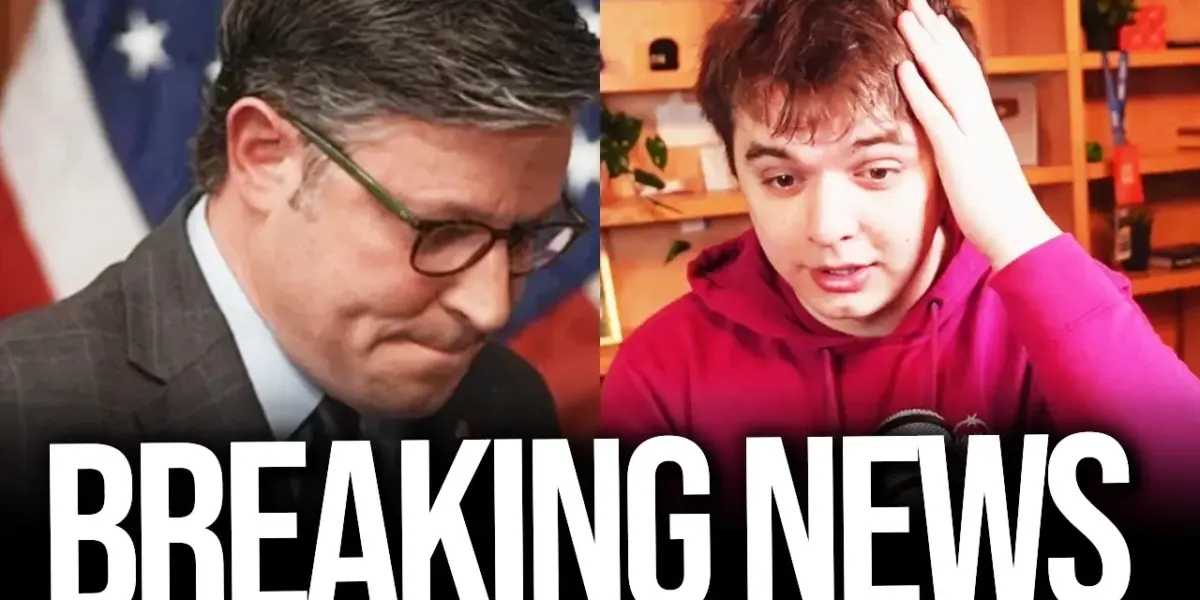
Trump’s Border Deal Sabotage Exposes GOP Divisions
For weeks, a major fight over government funding had Washington in a deadlock. Republicans and Democrats were battling over how to pay for the Department of Homeland Security. This disagreement even led to a shutdown of some government services, like the Transportation Security Administration (TSA), affecting everyday Americans. After 42 days of tough talks, the Senate finally reached a deal. However, the path to this agreement was far from smooth, largely due to interference from former President Donald Trump.
Trump’s Intervention Halts Progress
The core of the conflict involved funding for Immigration and Customs Enforcement (ICE) and Customs and Border Protection (CBP). While most of the Department of Homeland Security was set to be funded, specific sections related to immigration enforcement became sticking points. According to reports, a potential deal was within reach. But then, Donald Trump reportedly told Republican lawmakers to reject any agreement, even if it meant keeping services like the TSA closed.
This isn’t the first time Trump has been accused of derailing bipartisan efforts. A similar situation occurred when Senator James Lankford, a Republican, proposed a border security bill. This bill aimed to address growing issues at the southern border during President Biden’s term. Once again, reports suggest Trump instructed Republicans to vote against it. The reasoning, according to critics, was that Trump believed a continuing problem at the border would benefit him politically. This suggests a focus on personal political gain over national security or the well-being of citizens.
Mike Johnson’s Difficult Position
The recent funding bill now heads to the House of Representatives, where Speaker Mike Johnson faces a tough challenge. He must answer for Trump’s influence on Republican votes. When questioned about Trump’s directive to block the deal, Johnson appeared to struggle for answers. His responses seemed evasive, leading to further scrutiny. When pressed, Johnson’s explanations for why the President wasn’t more involved and his interpretation of Trump’s stance were met with skepticism. The transcript shows a reporter directly confronting Johnson with Trump’s own reported statements, highlighting the Speaker’s difficulty in reconciling party loyalty with the reality of the situation.
This dynamic puts Johnson in a difficult spot. He is caught between following Trump’s lead and fulfilling his duties as Speaker to govern effectively. The Senate’s overnight vote, which funded most of Homeland Security while excluding additional funds for ICE and CBP, shows a willingness from some Republicans to move forward despite Trump’s objections. However, Johnson must now navigate the House, where Trump’s influence remains significant.
Concerns Over ICE and Border Patrol Conduct
A key reason for the Democrats’ insistence on negotiating ICE and CBP funding is the conduct of these agencies. Reports and personal accounts have surfaced detailing concerning behavior. While the transcript notes that ICE agents at airports were not physically harming anyone, their presence was described as purely for intimidation. The agents appeared to be following a script, asking passengers to remove liquids and electronics from bags. This was seen as unhelpful and performative rather than addressing genuine security concerns.
More seriously, the transcript references instances where ICE has allegedly used excessive force. It mentions a case where an elderly man was reportedly pulled to the ground, resulting in cracked ribs. Democrats argue that they cannot continue to fund these agencies without oversight, especially when there are allegations of them harming U.S. citizens. They point to cases like the one in Minnesota, where state investigators were allegedly blocked from accessing evidence and coordinating with federal authorities in cases involving shootings. This suggests to some that there might be cover-ups happening, making the need for reform even more critical.
Historical Context and War Powers
The transcript also touches upon a broader issue of presidential overreach and congressional authority. When discussing the conflict in Iran, Speaker Johnson referred to it as a “conflict” rather than a “war.” The analysis suggests this is a strategic choice. By avoiding the term “war,” Republicans can avoid acknowledging that Trump may have initiated military action without proper authorization from Congress. The War Powers Resolution of 1973 requires the President to inform Congress within 60 days of committing armed forces to military action. Calling it a “conflict” allows lawmakers to sidestep this constitutional issue, a move seen by critics as a way to protect Trump from potential criticism regarding his use of military power.
Furthermore, the economic situation is presented as a stark contrast to the optimistic outlook often promoted by Republican leaders. Despite claims of economic strength and promises of future improvements, the transcript points to rising gas and energy prices, increased inflation, and declining consumer confidence. Unemployment rates for young and Black Americans are also highlighted as concerning. These economic indicators suggest that the lived experiences of many Americans do not align with the positive narratives being presented by some politicians.
Why This Matters
This situation highlights a significant tension within the Republican party. On one hand, there are lawmakers focused on governing and passing legislation, like the Homeland Security funding bill. On the other hand, there is a powerful faction influenced by Donald Trump, whose priorities seem to be driven by political strategy and personal loyalty rather than policy outcomes. The ability of one individual to halt essential government functions and derail bipartisan negotiations raises serious questions about the stability and effectiveness of American governance.
The implications extend beyond this single funding battle. It shows how deeply Trump’s influence runs and how it can paralyze legislative processes. For the American people, this means potential disruptions to services and a government that struggles to address pressing issues. The debate over ICE and CBP funding also brings to light critical concerns about accountability and civil rights within law enforcement agencies. The future outlook suggests continued political battles, with the balance of power often dictated by Trump’s pronouncements rather than the needs of the nation.
Looking Ahead
As the Homeland Security funding bill moves to the House, all eyes will be on Speaker Mike Johnson. Will he follow Trump’s lead and risk further gridlock, or will he prioritize the functioning of the government and potentially face Trump’s wrath? The transcript suggests that Trump may have even shifted his stance on the funding, creating further confusion. Regardless, the episode serves as a clear example of how political maneuvering can overshadow the needs of the country. The demand for reforms within ICE and CBP, coupled with concerns about transparency and accountability, will likely remain central issues in future debates.
Source: MAGA Mike THROWS Trump UNDER THE BUS (YouTube)

Related Articles

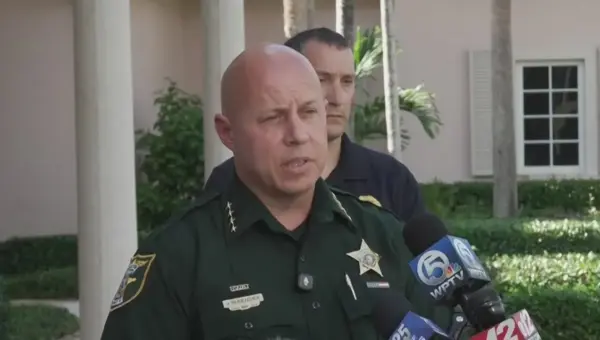
Tiger Woods DUI Arrest Sparks Political Ripples
Golf legend Tiger Woods was arrested for DUI in Florida after a rollover crash, showing signs of impairment not related to alcohol. President Trump commented on the incident, noting a personal connection through Woods' girlfriend.


CPAC Crowd’s Boos Reveal GOP’s Deep Divide
A moment at CPAC where the crowd booed impeachment hearings reveals deep divisions within the Republican party. Younger supporters are concerned the GOP base is crumbling due to issues like the Iran war, gas prices, and other controversies.
Mass Protests Erupt as Trump Approval Plummets
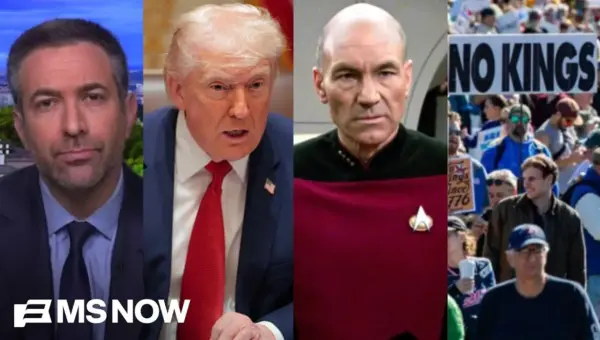
Thousands of 'No Kings' rallies are scheduled nationwide, protesting perceived autocratic actions by Donald Trump. As Trump's approval ratings fall, concerns grow over his challenges to democratic norms and the rule of law.