Trump’s Bold Oil Plan: Seize Hormuz for Global Fortune
President Trump proposed the U.S. seize control of the Strait of Hormuz to profit from oil sales. This bold suggestion comes as nations dependent on the vital waterway show reluctance to ensure its openness. The situation highlights global energy security concerns and complex international relations.

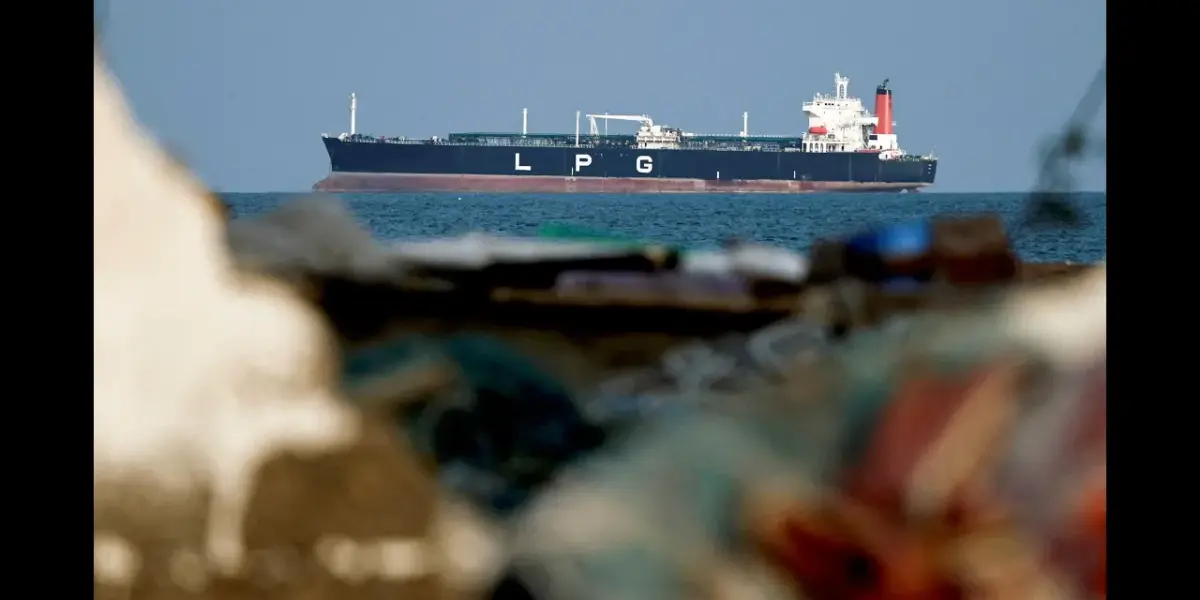
Trump’s Bold Oil Plan: Seize Hormuz for Global Fortune
President Trump recently suggested a daring idea: the U.S. could take control of the Strait of Hormuz and sell the oil, making a huge profit for the world. He believes this would be a “gusher” for everyone. This comes at a time when some countries that rely more on this vital shipping route than the U.S. seem hesitant to help keep it open.
Trump made his feelings clear earlier this week, stating that countries getting oil through the Strait “must take care of that passage, go to the straight and just take it.” This strong statement highlights the importance of the Strait of Hormuz, a narrow waterway between Iran and Oman. It’s a critical path for oil tankers carrying a significant portion of the world’s oil supply.
Global Shipping and Shifting Alliances
Despite the tensions, some ships are still managing to pass through the Strait. Recent tracking data shows a French shipping company’s container ship successfully navigated the passage. Several tankers operated by Oman and a gas carrier from Japan also crossed. This suggests that while there are concerns, the Strait hasn’t been completely blocked.
Other nations are taking steps to ensure their own supply lines. India’s navy, for instance, is actively working to protect commercial ships in important maritime areas. Six Indian ships have already passed through Hormuz, with 18 more still in the Persian Gulf. This is happening even though India has friendly relations with Iran and should theoretically be allowed to use the passage without issue.
Russia also sees the Strait as open for its passage, according to a Kremlin official. Meanwhile, an Iranian diplomat mentioned that Iran is working on a proposal with Oman to “monitor the Strait of Hormuz together.” However, the details of this plan remain unclear.
U.S. Senator Marco Rubio emphasized the global impact of closing such waterways, stating, “to close these international waterways and create a toll road where basically you have to ask for their permission in order to use them and get your products in or out of market. That’s unacceptable. It’s unacceptable to us, but it should be unacceptable to the world.” He urged international forces to resist any such attempts to control global shipping routes.
Protecting Energy Supplies
European leaders are also focusing on securing their energy needs. Italian Prime Minister Giorgia Meloni visited Saudi Arabia and plans to travel to Qatar and the United Arab Emirates. These trips aim to protect Italy’s energy supplies and show support for Gulf nations facing challenges, including those from Iran.
French President Emmanuel Macron, while in South Korea, also stressed the importance of safe global shipping. He and the South Korean president agreed to work together to ensure safe routes through the Strait of Hormuz. They plan to boost cooperation in areas like nuclear power and offshore wind energy to strengthen energy security.
Why This Matters
The Strait of Hormuz is more than just a waterway; it’s a critical artery for the global economy. If it were to be significantly disrupted or controlled by one nation, the impact on oil prices and the availability of goods worldwide would be immense. Trump’s suggestion, while aggressive, points to the high stakes involved in maintaining free passage through this vital chokepoint.
The reluctance of some nations to actively ensure the Strait’s openness, despite their dependence on it, shows the complex web of international relations. Countries are balancing their economic needs with political considerations and existing alliances. This situation highlights how interconnected the world is and how instability in one region can have far-reaching consequences.
Historical Context and Future Outlook
The Strait of Hormuz has been a point of strategic importance and tension for decades. Throughout history, control of key trade routes has often led to conflict and political maneuvering. The current situation echoes past concerns about maritime security and the free flow of commerce.
Looking ahead, the importance of the Strait of Hormuz is unlikely to diminish soon. While the world is moving towards renewable energy, oil remains a dominant global energy source. The ongoing discussions and diplomatic efforts, alongside military posturing, will continue to shape the future of this critical waterway. The challenge for global leaders is to find ways to ensure stability and open access without resorting to conflict, balancing national interests with the collective need for secure global trade.
Source: US Could ‘Make a Fortune’ Selling Oil By Taking Control of Hormuz Strait: Trump (YouTube)

Related Articles
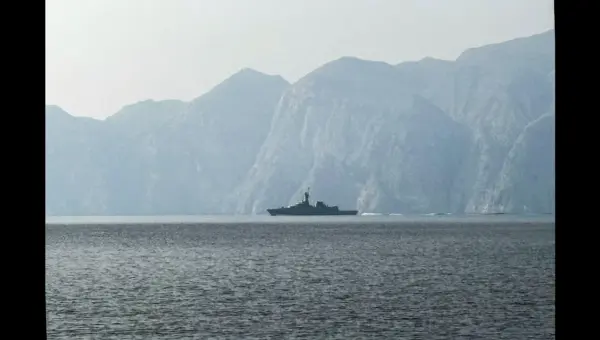
Iran’s Strait of Hormuz Threats Offer Chance to Reshape Middle East
Iran's aggressive tactics in the Strait of Hormuz, while threatening global energy supplies, present a unique opportunity to reshape Middle East dynamics. Analyst David Wormser suggests that new energy routes and strategic island seizures could fundamentally alter regional power structures and trade.
Trump Directs Vance to Target Blue States for Fraud Investigations
President Trump has appointed J.D. Vance to lead a new national task force focused on investigating fraud, with a stated emphasis on Democratic-led states. Trump claims these efforts could significantly impact the national budget if successful.


Pope and Trump Clash Over Iran, Faith Sees Youthful Revival
Pope Francis's calls for peace contrast with President Trump's policies, particularly concerning Iran. Meanwhile, a surprising number of young Americans are turning to the Catholic Church, seeking deeper meaning and unconditional love in a complex world.