Trump’s Bold Gambit: Iran Power Plant Threat Yields Talks
President Trump's decision to postpone strikes on Iran's power plants appears to be a strategic move to push for negotiations on the Strait of Hormuz. Experts suggest this tactic aims to apply pressure without causing a major crisis, while also seeking moderate voices within Iran for talks.

Trump’s Bold Gambit: Iran Power Plant Threat Yields Talks
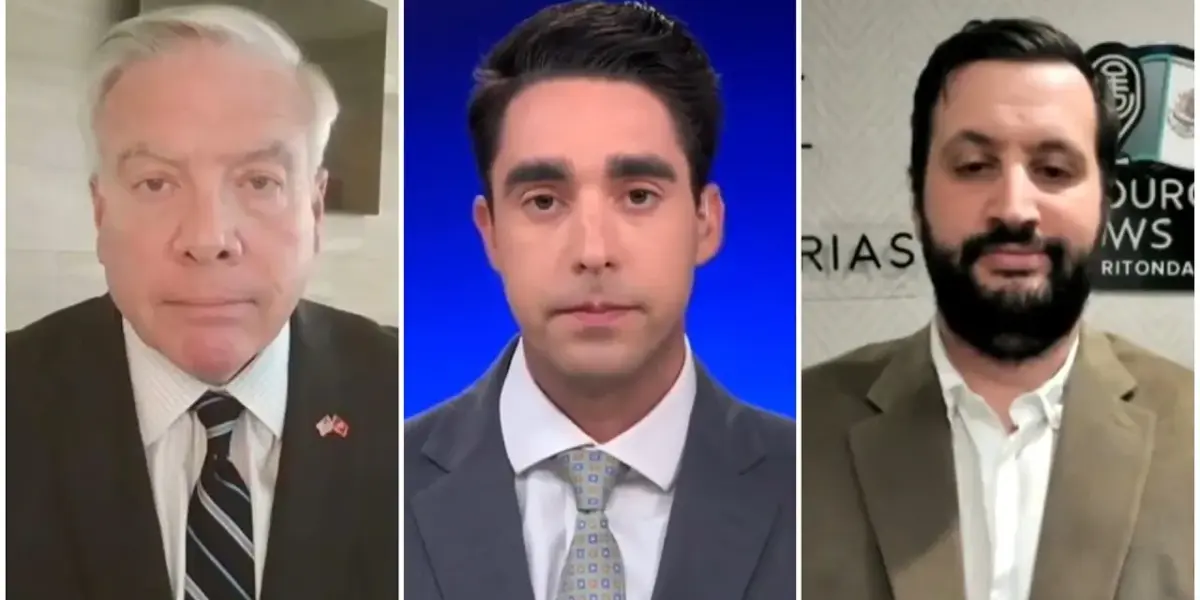
President Trump recently pulled back from planned military strikes on Iran’s energy and electricity plants. This decision, discussed by experts like Lt. Col. Hal Kempfer and Stefano Ritondale, suggests a strategic move to force Iran to the negotiating table. The goal was to make Iran take discussions about the Strait of Hormuz more seriously. It appears this tactic may have worked, as the military continues its operations with a focus on this key waterway.
The Power Plant Threat: A Calculated Risk
The idea of striking Iran’s power plants, especially in Tehran, was not just about military action. Experts point out that such attacks would have created a severe water crisis in the Iranian capital. This highlights the complex nature of the strategy: applying pressure without causing immediate, widespread humanitarian disaster. The aim was to disrupt Iran’s infrastructure just enough to compel them to negotiate key issues, particularly concerning the vital Strait of Hormuz.
Strait of Hormuz: A Global Lifeline
The Strait of Hormuz is a critical passage for global oil transport. Control or disruption of this narrow waterway can have massive economic and political consequences worldwide. For years, Iran has been a source of tension regarding passage through the Strait. The U.S. strategy, according to analysts, has been to find ways to ensure free passage for international shipping. This involves direct negotiation with Iran, but also building alliances to counter potential threats.
Finding the Right Partner in Tehran
Engaging in meaningful talks with Iran is complicated by its internal politics. Experts suggest that the U.S. is likely looking to speak with figures like the parliamentary speaker, Mohammad Bagher Ghalibaf. The strategy involves identifying moderate voices within the Iranian regime who might be open to a deal specifically focused on the Strait of Hormuz. This approach acknowledges the different factions within Iran and aims to find common ground where possible.
U.S.-Israeli Actions: Creating Disarray
Past actions, including potential U.S.-Israeli strikes, have been noted for putting the Iranian regime in a state of disarray. This instability, while seemingly negative, can also create openings. It forces new lines of thinking and discussion within Iran, potentially moving them closer to addressing issues like the Strait of Hormuz. The experts suggest this disruption is part of a broader plan to achieve specific foreign policy goals.
Joint Control? A Less Likely Scenario
President Trump has commented on the possibility of jointly controlling the Strait of Hormuz with Iran. However, analysts believe this is not a realistic option. Iran’s naval capabilities are significantly diminished. Instead, ensuring the safety of the Strait likely requires a broader international effort. The U.S. would need to rely on allies like NATO members and Japan, who possess crucial mine-sweeping capabilities. A combined task force involving multiple nations is seen as a more probable solution for managing the Strait’s security.
Why This Matters
This situation highlights a delicate dance of diplomacy and deterrence in international relations. The U.S. strategy of applying pressure through potential military action, then easing off to encourage talks, is a high-stakes approach. It aims to achieve specific security goals, like ensuring freedom of navigation in the Strait of Hormuz, without escalating into a full-blown conflict. The success of such tactics depends on understanding the complex internal dynamics of the targeted nation and engaging the right individuals.
Implications and Future Outlook
The ongoing tensions around the Strait of Hormuz and Iran’s nuclear program continue to shape regional and global politics. The U.S. approach, characterized by strategic pressure and targeted negotiations, suggests a long-term effort to manage Iran’s influence. Future outlooks likely involve continued diplomatic efforts, possibly through multilateral channels, to ensure stability in this vital shipping lane. The effectiveness of these strategies will depend on sustained international cooperation and a clear understanding of Iran’s evolving political landscape.
Historical Context
Tensions between the U.S. and Iran have a long history, dating back to the 1979 Iranian Revolution. The Strait of Hormuz has frequently been a point of contention, with Iran at times threatening to close it. Previous administrations have also used various forms of pressure, including sanctions and naval presence, to influence Iran’s behavior. The current approach appears to build on these historical patterns, adapting tactics to the specific geopolitical circumstances and the personality of the current U.S. administration.
Source: Trump Good at Creating Negotiating Points; US Strikes on Power Plants Could Be Major Crisis for Iran (YouTube)

Related Articles

Iran Blocks China Ships, Exposing Beijing’s Weak Grip
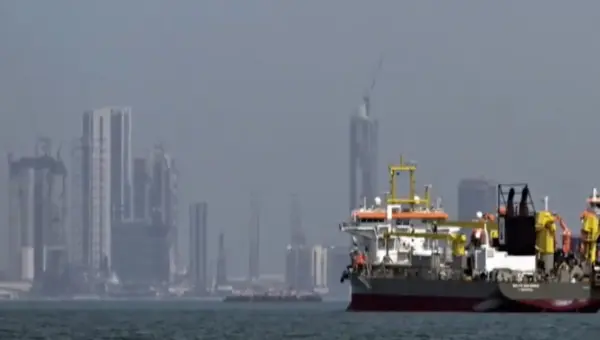
Iran's recent decision to block Chinese ships at the Strait of Hormuz is exposing the limits of Beijing's influence in the Middle East. This action is causing delays and cancellations for Chinese manufacturers, turning a perceived geopolitical win into an economic strain.
Rubio: US Can Achieve Iran War Goals Without Troops
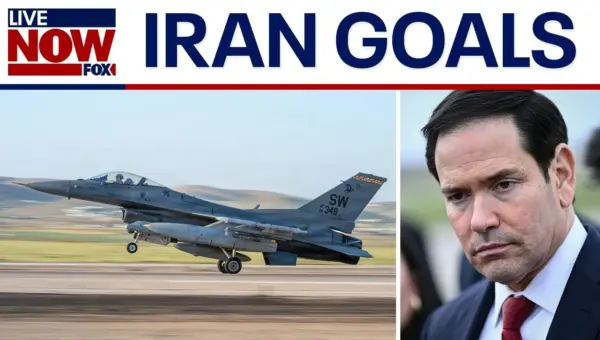
Senator Marco Rubio outlined a strategy to counter Iran without deploying U.S. ground troops, focusing on weakening the regime and enhancing maritime security. He also criticized Cuba's economic system and expressed concerns about West Bank violence.
Trump’s “Walk Away” Tactic Signals Tougher Stance on China
Retired Air Force Brigadier General David Stillwell believes President Trump's strategy of being willing to walk away from negotiations puts pressure on China. This tactic, combined with US global actions and strengthened alliances, signals a more assertive American foreign policy.