Trump’s ‘Board of Peace’ Initiative Faces Scrutiny as Iran War Tensions Escalate
Donald Trump's newly announced 'Board of Peace' has drawn criticism as a potential vanity project amid escalating military tensions with Iran. Expert analysis suggests the initiative may prioritize profit over Palestinian welfare while diplomatic relations hang in the balance.

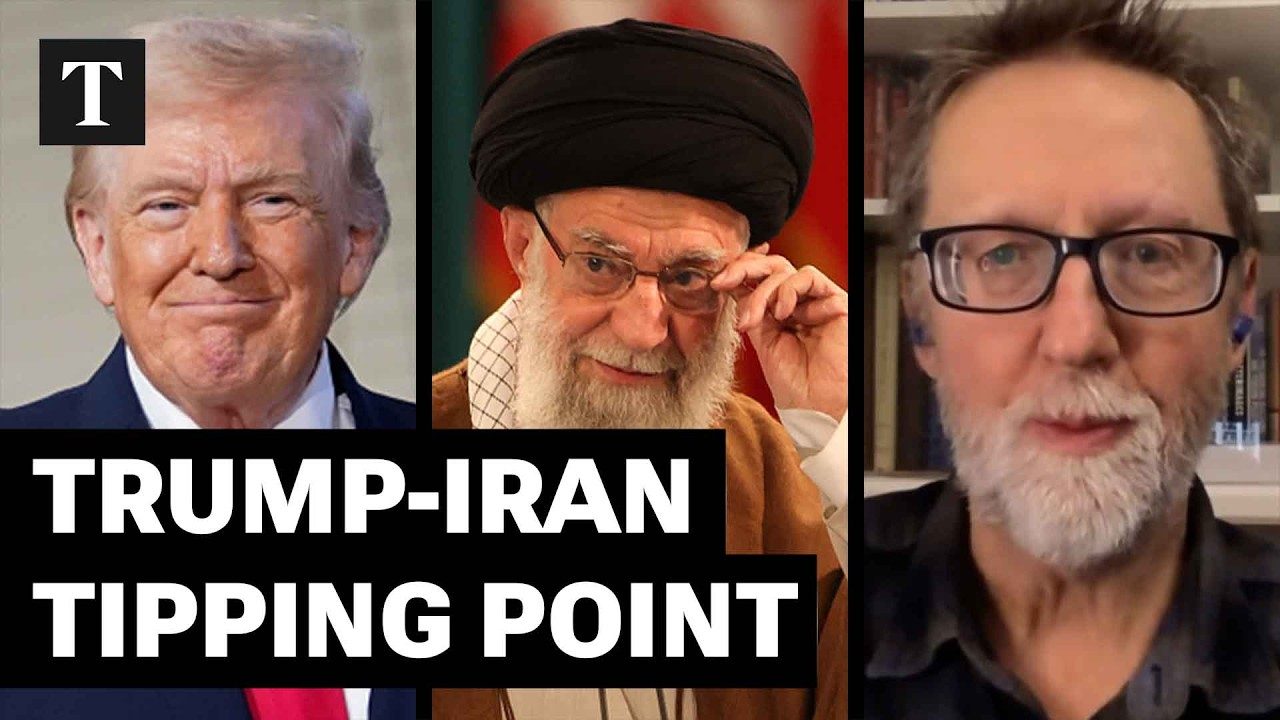
Trump’s Controversial Peace Initiative
Former President Donald Trump’s announcement of a new ‘Board of Peace’ initiative has sparked intense debate among international relations experts, with critics questioning whether the multi-billion dollar Gaza reconstruction plan serves genuine humanitarian purposes or represents a profit-driven venture masquerading as diplomacy.
Professor Scott Lucas of University College Dublin, an expert in American politics, characterized the initiative as “a showpiece predominantly for one person” during a recent interview, suggesting the board serves Trump’s ego and potential financial interests rather than addressing the genuine needs of Gaza’s population.
The Board of Peace Structure and Funding
According to reports from the board’s first meeting in Washington DC, the initiative requires member nations to contribute $1 billion for a seat at the table. Trump announced that participating countries have already pledged $7 billion toward Gaza reconstruction, with the United States committing an additional $10 billion to the effort.
The reconstruction plan reportedly includes five phases and proposals for a multinational peacekeeping force in post-war Gaza. However, Lucas expressed skepticism about the money’s ultimate destination, noting concerns that funds might benefit resort and condominium developments rather than addressing Palestinians’ immediate humanitarian needs.
“There’s no sign that that money is going to go to Gaza,” Lucas stated. “There are no plans that are established for that right now. And there are concerns in fact that that money will go for plans that will profit people who will put up vague declarations of putting up resorts, condos, other buildings.”
Gaza’s Current Reality
The Board of Peace initiative emerges against the backdrop of Gaza’s complex post-conflict landscape. Israel continues to occupy 53% of Gaza territory, while Hamas maintains control over non-occupied areas. This fragmented control structure presents significant challenges for any reconstruction effort, regardless of funding sources.
Humanitarian organizations and NGOs that typically coordinate post-conflict reconstruction have faced severe access restrictions in Gaza, both during the two-year conflict period following Hamas’s attacks on Israel and in the current ceasefire phase. These operational constraints raise questions about how any reconstruction initiative could effectively operate on the ground.
Iran: A ‘Damocles Moment’ in US Foreign Policy
While Trump promotes his peace initiative, escalating tensions with Iran have created what Lucas describes as a “Damocles moment” – a reference to the ancient tale of imminent danger hanging over those in power. The United States has positioned more than a dozen warships, including two aircraft carriers, off Iran’s coast, creating a volatile military standoff.
Iran has responded by threatening to close the Strait of Hormuz, through which approximately 20% of the world’s oil flows, raising concerns about global energy security and economic stability. Despite this show of force from both sides, diplomatic channels remain open, with US-Iran talks continuing into their second round.
The Venezuela Precedent
Lucas drew parallels between current Iran tensions and recent US actions in Venezuela, where American naval forces engaged in attacks on small boats before what he characterized as the “kidnapping” of President Nicholas Maduro. However, he noted a crucial difference: unlike Venezuela’s situation, the physical removal of Iran’s 86-year-old Supreme Leader would be far more challenging for US forces.
Implications for Iranian Reform Movements
Perhaps most concerning to regional stability experts is the potential impact of military action on Iran’s internal reform movements. Lucas emphasized that American airstrikes would devastate Iranian civil society organizations seeking political rights and justice reforms.
“If the Americans choose to attack, it not only sets aside the talks with the Iranians about the nuclear program, it completely undermines Iranians who are seeking rights reform and justice,” Lucas explained. He referenced recent violent crackdowns by the Iranian regime that killed tens of thousands of protesters, noting that US military action would allow the government to deflect from domestic issues by rallying against foreign threats.
“Once Trump attacks, even if it’s just air strikes, the regime will turn around and say, ‘Look, you know, it’s not the economy that matters here. It’s not your political rights that matter here. It’s not the fact we’ve detained many of you that matters here. It’s the fact that the US and Israel are against you,'” Lucas warned.
International Alternative Frameworks
Critics of the Board of Peace point to existing international mechanisms that could address Gaza’s reconstruction needs more effectively. The United Nations, despite its limitations due to Security Council vetoes, represents an established multilateral framework for post-conflict reconstruction.
Lucas noted that the UN’s inability to act decisively in Gaza stems primarily from Security Council deadlock, including US vetoes on effective action proposals. However, he argued that working within established international law frameworks would provide greater legitimacy and oversight than Trump’s private initiative.
Looking Forward: Diplomatic Windows and Military Risks
Despite the military posturing, diplomatic opportunities remain available. US officials reportedly maintain a four-week window for Iran to present its positions on critical issues including nuclear enrichment, ballistic missile programs, and sanctions relief. Iranian negotiators have indicated progress in recent discussions and expressed willingness to establish formal agenda items for continued talks.
The challenge for policymakers lies in balancing legitimate security concerns with diplomatic opportunities. Military action could derail both nuclear negotiations and Iran’s internal reform movements, while potentially destabilizing global energy markets and regional security.
As Trump’s Board of Peace initiative moves forward alongside escalating military tensions, the international community faces critical decisions about supporting genuine humanitarian efforts versus private ventures that may prioritize profit over people. The coming weeks will likely determine whether diplomatic solutions can prevail over military confrontation in this increasingly volatile geopolitical landscape.
Source: Trump Meets ‘Damocles Moment’ With Iran Relations | Scott Lucas (YouTube)

Related Articles

Trump’s Shifting Iran Stance: From Dealmaker to War Talk
President Trump's rhetoric on Iran has undergone a significant shift, contrasting his past calls for diplomacy with recent threats of military action. This shift follows a period of escalating tensions, withdrawal from the Iran nuclear deal, and renewed indirect negotiations.
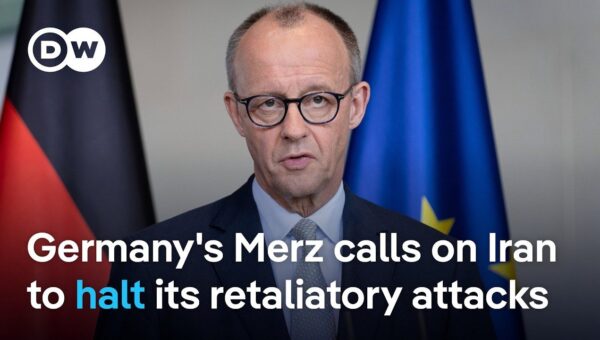
Germany on US-Israel Strikes: No “Lecturing” Partners
Germany's Chancellor Scholz calls on Iran to end its attacks and nuclear program but refrains from "lecturing" US-Israel on international law regarding recent strikes. Berlin increases security for Jewish institutions amid fears of retaliation.

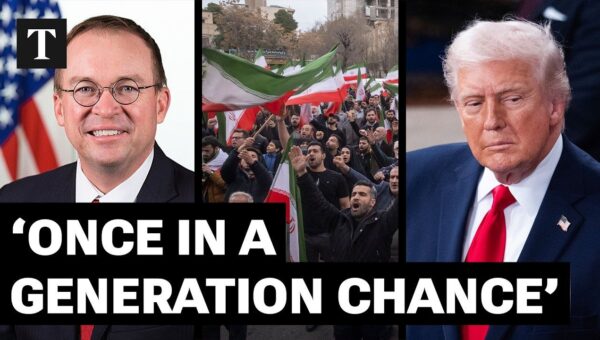
Trump Saw Iran Strike as ‘Too Good to Pass Up,’ Says Ex-Chief of Staff
Former White House Chief of Staff Mick Mulvaney revealed that the Trump administration viewed the strike on Iran not as a planned initiative, but as a unique opportunity that was "too good to pass up." He discussed the confluence of factors leading to the decision and drew parallels to past interventions, suggesting a preference for targeted actions over prolonged conflicts. The potential economic impact, particularly on oil prices, was also a key consideration.