Trump’s ‘Bloodthirsty Threats’ Halt World as Deadline Shifts
President Trump's volatile threats against Iran, marked by shifting deadlines and apocalyptic rhetoric, have placed the world in a state of heightened tension. A recent two-week ceasefire, brokered by Pakistan, appears to have averted immediate conflict, but experts warn of ongoing uncertainty and the dangerous combination of unchecked power and extreme threats.

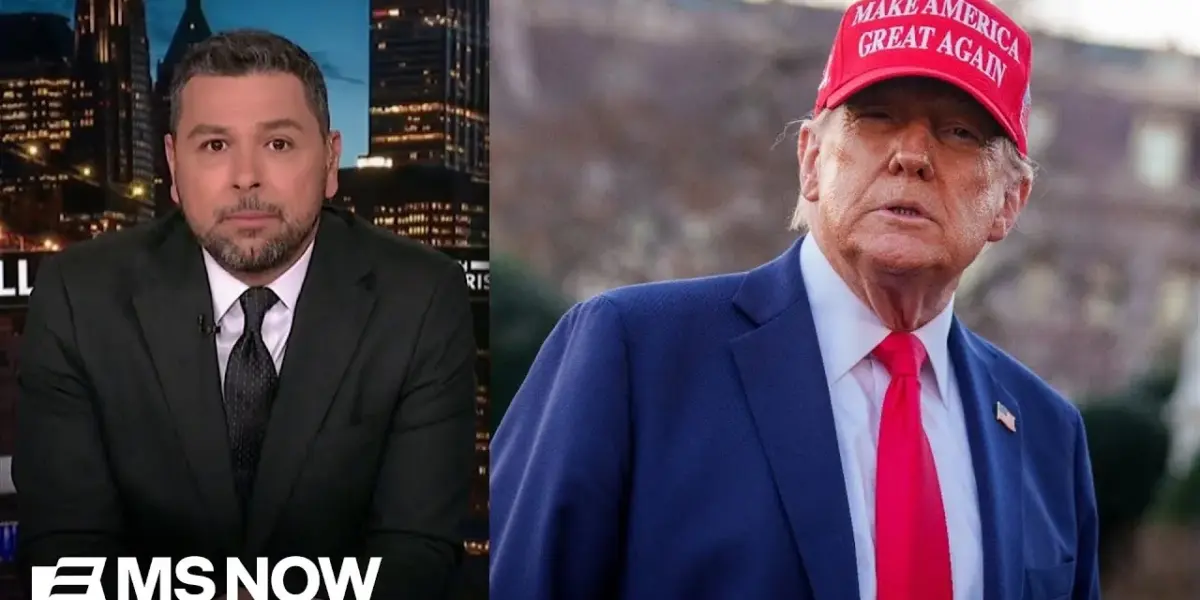
World Holds Breath as Trump Issues, Delays Threats Against Iran
NEW YORK – The world has been on edge for days, waiting as U.S. President Donald Trump issued and then repeatedly delayed threats to attack Iran. Trump set a deadline for Iran to end a conflict he claims to have started, issuing an ultimatum that stated, “A whole civilization will die tonight, never to be brought back again.” Just as that deadline passed, Trump changed it again. He claimed a peace settlement with Iran was within reach, following a proposal brokered by Pakistan. This led to an apparent two-week ceasefire, with Iran agreeing to reopen the Strait of Hormuz in exchange for the U.S. halting its bombing campaign. However, Iranian officials, speaking to The New York Times, suggested Iran would continue to collect fees from ships passing through the Strait. The situation remains uncertain, dependent on the unpredictable actions of the U.S. president.
Escalating Rhetoric and Shifting Deadlines
President Trump’s threats have been marked by a pattern of escalating rhetoric followed by delays. On March 21st, he posted that if Iran did not open the Strait of Hormuz within 48 hours, the U.S. would “hit and obliterate their various power plans, starting with the biggest one first.” He publicly threatened to commit a war crime, giving Iran until the evening of March 23rd. However, 12 hours before that deadline, Trump announced that talks were going well and extended the deadline to March 26th. Iranian officials denied any talks had taken place. As that deadline approached, Trump again extended it to April 6th, stating negotiations were progressing. Over the weekend, he changed the deadline once more, posting, “Tuesday will be power plant day and bridge day, all wrapped up in one in Iran. There will be nothing like it. Open the effing straight, you crazy bastards, or you will be living in hell.” Today, as the latest deadline loomed, he again threatened to “kill a whole civilization.”
Human Shields and Congressional Calls for Removal
In response to Trump’s threats, Iranian media showed citizens forming human chains around power plants and bridges, attempting to deter potential U.S. attacks. President Trump told NBC News that these human chains were “totally illegal” and “not allowed to do that.” On Capitol Hill, a growing number of Democrats, now 70 in the House, are demanding Trump’s removal from office for threatening to kill an entire civilization. A few Republicans also spoke out against the president’s threats before he delayed them for another two weeks. National security reporter David Roads described the president as both “belligerent and erratic.” He noted that Trump’s threats and subsequent walkbacks have become a recurring pattern over recent weeks.
Experts Weigh In on ‘Madman Theory’ and Future Uncertainty
David Roads, a national security reporter, expressed surprise at the sudden ceasefire agreement, stating he had no indication of detailed negotiations. He believes Pakistan’s intervention was crucial in forcing the situation. “The bottom line of what happened is that Donald Trump backed down,” Roads said. “He had painted himself into a corner.” Roads pointed out that the war had not gone well for the U.S., with Iran not backing down as expected. The key issue of the Strait of Hormuz’s closure was resolved, but Roads questioned how this could be seen as a victory since it was not closed before the conflict began. Robert Malley, former lead negotiator on the 2015 Iran Nuclear Deal, cautioned against complacency. He emphasized the danger of combining “infinite immorality with infinite power,” warning that everyone should be concerned. Malley noted that it’s difficult to frame this situation as a triumph for Trump, especially with the Strait of Hormuz’s status being a point of contention. He also raised concerns about the longevity of the ceasefire, citing ambiguities in the agreement and Iran’s stated conditions. “We’re not out of harm’s way yet,” Malley stated, while acknowledging the positive role played by Pakistan and Trump’s apparent backing down.
The World Held Hostage
The situation highlights a concerning dynamic where global stability appears to hinge on the president’s pronouncements on social media. “We have crossed the line here, no matter what happens,” Roads commented. “The man with sole authority to launch the largest nuclear arsenal that the world has probably ever known, he is either going to make good on that threat in another two weeks from now, which is the genocidal behavior of a madman. Or he won’t. In which case, he is holding the entire world hostage, making increasingly bloodthirsty, apocalyptic threats every few days.” This precarious state is attributed to a perceived lack of serious consequences for Trump’s past actions. The core issue remains: whether Trump acts on his threats or not, his rhetoric is seen as damaging international relations and stability.
What Happens Next?
With the current two-week ceasefire in place, the world watches to see if this fragile peace holds. The agreement’s ambiguities and the deeply divergent interpretations by the U.S. and Iran suggest that the underlying tensions remain unresolved. The focus will be on whether diplomatic channels can be established and sustained, or if the situation will revert to a cycle of threats and brinksmanship. The coming weeks will be critical in determining if a genuine de-escalation is possible or if the world will continue to be held hostage by shifting deadlines and apocalyptic rhetoric.
Source: Trump’s ‘bloodthirsty threats' hold world hostage amid delayed deadline, says Ayman (YouTube)

Related Articles

Ukraine Strikes Russian Oil, Shifts War Dynamics
Ukraine's long-range drone strikes are disrupting Russian oil infrastructure, including a major refinery shutdown. Former CIA Director David Petraeus notes Ukraine is shifting the war's dynamics, potentially taking the "upper hand" through technological innovation despite Russia's manpower advantage. This escalation coincides with Ukraine's ceasefire proposal and a critical bottleneck in its own drone engine production.

US Eyes Iran’s Oil: A Risky Ground Game
Discussing the idea of the U.S. taking Iran's oil, this analysis breaks down the geographic and political challenges. Iran's energy resources are concentrated in two key areas, each presenting unique difficulties for occupation. The potential for a humanitarian crisis and the lessons learned from past interventions in Iraq highlight the risks involved.


Democrats’ ‘Seditious Six’ Video Sparks Outrage
Democrats' 'Seditious Six' video, encouraging troops to disobey orders, sparks outrage and accusations of being 'un-American.' The controversy unfolds amid discussions on Iran policy and federal scrutiny of sanctuary cities. Meanwhile, the DOJ announces major strides in combating taxpayer fraud, recovering over half a billion dollars.