Trump’s “Bleak Warning”: A World on Fire?
Donald Trump issues a stark warning as Middle East conflicts escalate, yet his engagement is criticized for its detachment and controversial rhetoric. This analysis delves into the geopolitical implications, public opinion, and economic fallout of a world seemingly on fire.

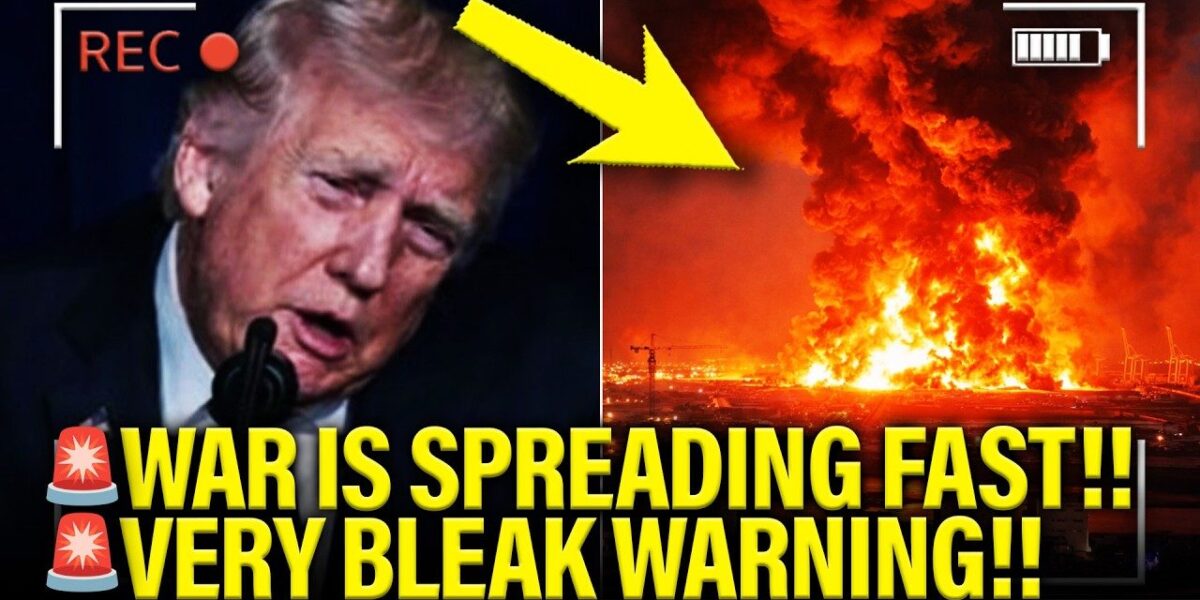
Trump’s “Bleak Warning”: A World on Fire?
The escalating conflict in the Middle East, with Iran now a central player and Hezbollah entering the fray, has prompted a stark warning from former President Donald Trump. In a recent interview with the Daily Mail, Trump predicted the conflict could last “many, many weeks.” However, his public engagement with the unfolding crisis has been met with criticism, marked by a refusal to address the press directly and a focus on social media pronouncements. This has led to questions about his approach to foreign policy and his role in shaping public understanding of complex geopolitical events.
A Refusal to Engage?
Following the landing of Air Force One, reporters pressed Trump for his stance on the escalating war. Instead of offering direct answers, he reportedly pointed to a statue of Benjamin Franklin at his Mar-a-Lago club, describing it as “great.” This incident, coupled with a series of what have been described as “deranged posts” on his Truth Social platform—including claims of endorsements from Lady Gaga’s father—has fueled concerns about his detachment from the gravity of the situation.
Disparaging Remarks on Fallen Soldiers?
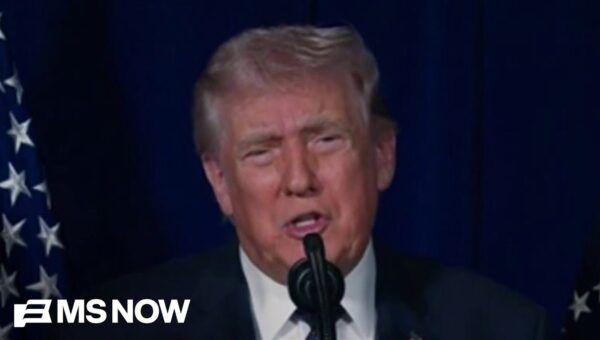
Perhaps the most controversial aspect of Trump’s recent commentary came in a video addressing the deaths of three American service members. His remarks, characterized by the transcript’s author as “disgusting and grotesque,” included the statement, “You know, we found out that there were these service members who died. That’s just the way it is.” This sentiment, particularly from a figure who has faced scrutiny for his own military service record, has been widely condemned. The transcript highlights the stark contrast between these words and the official statement from Centcom, which expressed grief and gratitude for the fallen.
Objectives Unclear, Alliances Shifting?
The strategic objectives behind the military actions in the region remain a point of contention. The transcript notes a shift from discussing uranium enrichment to regime change, only for allies like Senator Lindsey Graham to later clarify that the goal is not regime change but rather altering Iran’s capabilities. Furthermore, attempts to secure a ceasefire appear to have stalled, with Iran reportedly refusing to agree. This ambiguity surrounding objectives and the apparent fluidity of alliances contribute to the perception of chaos.
A World Engulfed in Conflict
The situation in the Middle East is not occurring in a vacuum. The transcript points to a confluence of global conflicts, including a war between Pakistan and Afghanistan, and the ongoing war stemming from Russia’s invasion of Ukraine, which is also reportedly heating up. This broader context leads to the unsettling observation that “the world is on fire from war.” The author attributes this global instability, in part, to Trump’s “deranged attack on Iran when it appeared that there was still ample time for negotiations.”
Unconventional Communication Channels
In an unprecedented move, the transcript alleges that “Trump and Netanyahu have hacked into the Israeli television networks” to broadcast messages to Iran. These messages, purportedly aimed at encouraging the Iranian people to “take back your country,” are seen by the author as counterproductive, likely alienating the very population they aim to influence, and potentially exacerbating anti-American and anti-Israeli sentiment.
Public Opinion and Market Reactions
Recent polling data suggests a lack of public support for Trump’s actions regarding Iran, with an Ipsos poll indicating only 27% of Americans approve of his approach. The economic fallout is also becoming apparent, with reports of a 13% jump in Brent crude prices to $82 per barrel, signaling a potential surge in gas prices. Futures markets, including the Dow, NASDAQ, and S&P, are reportedly tanking, reflecting investor anxiety about the escalating global instability.
Iran’s Stance and Future Outlook
Iran’s Foreign Minister, Hossein Amirabdollahian, has articulated a defiant stance, referencing past US military defeats and asserting that bombings will not impact their ability to wage war. He suggests a “decentralized mosaic defense” that allows Iran to dictate the terms of the conflict’s end. This suggests a protracted and potentially more widespread conflict, with significant implications for regional stability and global security.
Why This Matters
The confluence of escalating international conflicts, coupled with the unconventional and often inflammatory rhetoric from key political figures, presents a critical juncture for global stability. The focus on military action over diplomatic solutions, the ambiguity of strategic objectives, and the potential for miscalculation carry immense risks. The economic repercussions, as evidenced by market downturns and rising oil prices, will inevitably impact everyday citizens worldwide. Furthermore, the tone and substance of political discourse surrounding war and sacrifice have profound implications for public trust and national unity.
Implications, Trends, and Future Outlook
The current geopolitical climate suggests a trend towards increased regional proxy conflicts and a potential for broader conflagrations. The reliance on social media for major policy pronouncements and the perceived erosion of traditional diplomatic channels are worrying developments. The future outlook is one of heightened uncertainty, with the potential for further escalation if diplomatic avenues are not prioritized and if clear, achievable objectives are not articulated and pursued. The role of former leaders in shaping foreign policy discourse, especially when their pronouncements are seen as erratic or inflammatory, warrants careful consideration.
Historical Context and Background
The current tensions in the Middle East are deeply rooted in decades of complex geopolitical maneuvering, including historical interventions, regional rivalries, and the rise of non-state actors. The Iran nuclear deal, its subsequent withdrawal by the Trump administration, and the ongoing efforts to contain Iran’s regional influence are all critical elements of this historical backdrop. Understanding these historical underpinnings is crucial to comprehending the current crisis and the potential long-term consequences of the actions being taken.
Source: Trump gives BLEAK WARNING as WAR SPIRALS!! (YouTube)

Related Articles

US Strikes Iran: 3 Troops Dead, President Warns of More
Three U.S. troops have been killed in new missile strikes against Iran, prompting President Trump to warn of further casualties. The operation, "Epic Fury," has led to Iranian retaliation, regional instability, and significant global economic and travel disruptions. Iran is also facing a leadership vacuum following the death of its Supreme Leader.
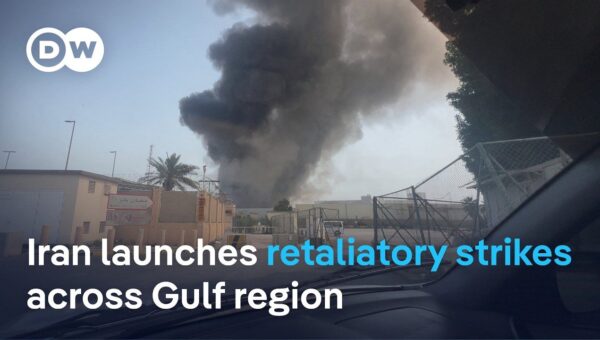
Iran Strikes Neighbors: Gulf Relations Suffer Amid Retaliation
Iran's retaliatory strikes have reverberated across the Gulf, damaging relations with neighboring countries and impacting civilian infrastructure. Experts warn that these actions jeopardize fragile diplomatic progress and violate the sovereignty of U.S. allies in the region.
Trump Addresses Iranians Amid Escalating Regional Conflict
President Trump addressed the citizens of Iran directly amidst escalating conflict, urging them to seize the moment for freedom following the death of Supreme Leader Ayatollah Ali Khamenei. The move comes as the region grapples with intense airstrikes, retaliatory attacks, and the first U.S. casualties of the ongoing military campaign.