Trump’s Blasphemy Sparks Outrage: MAGA World Divided
Donald Trump's recent social media post, depicting himself as Jesus and bearing resemblance to Jeffrey Epstein, has ignited fierce backlash from conservatives and raised questions about faith in politics. While Pope Leo responded with measured diplomacy, the incident has exposed divisions within the MAGA movement and highlighted concerns about leadership judgment.

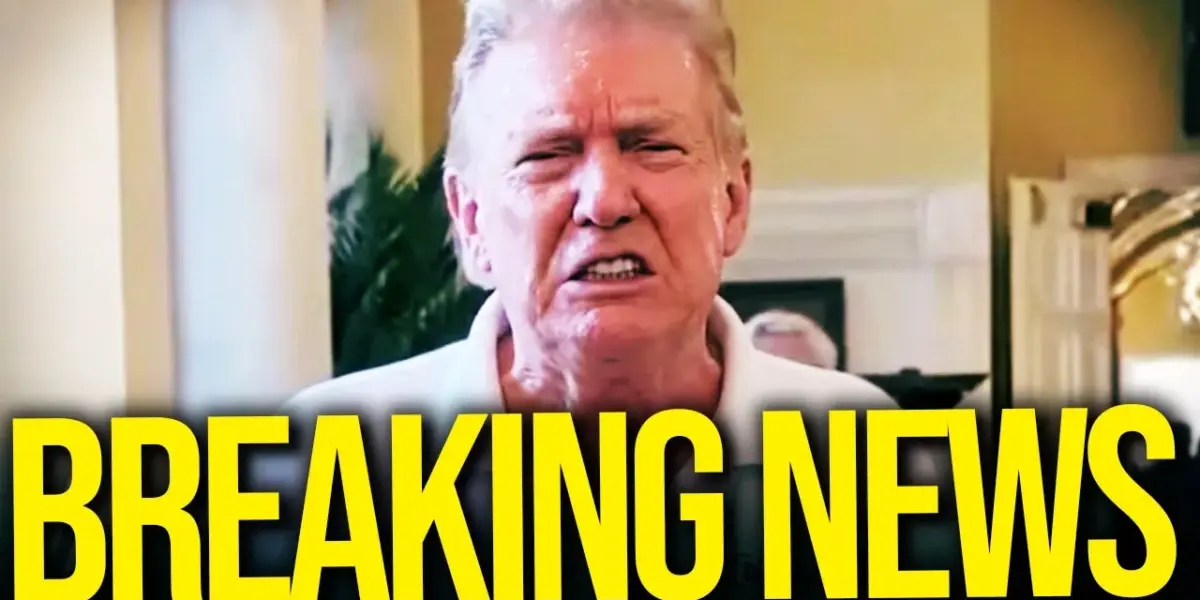
Trump’s Jesus Post Ignites Conservative Fury
Donald Trump recently posted an image on social media that depicted him as Jesus healing a sick man. The man in the image bore a striking resemblance to Jeffrey Epstein. This post quickly sent shockwaves through the MAGA movement, leading to widespread anger and accusations of blasphemy. Prominent conservative figures like Michael Nolles and Cam Higgby voiced their strong disapproval, arguing that such imagery is inappropriate for a political leader.
The criticism wasn’t limited to just this one post. Many conservatives expressed frustration that it took so long for people to recognize that a leader posting disturbing content, like AI videos of Obama as a gorilla or Chicago in flames, is not suitable for the Oval Office. This latest incident, however, crossed a line for many who felt it was a step too far, regardless of whether it was intended humorously or not.
Pope Leo’s Measured Response
In the midst of the controversy, Pope Leo was asked about Trump’s post while on a flight. His response was calm and diplomatic. He stated that he was not afraid of the Trump administration and that his focus was on spreading the message of the gospel as a peacemaker. He clarified that the church is not involved in politics or foreign policy in the same way politicians are.
This approach was seen by many as an example of good leadership. Even when directly addressed about Trump’s actions, Pope Leo maintained a respectful tone. He suggested that Trump might have a different perspective due to his political role, but emphasized his own commitment to the gospel’s message. He did not attack Trump directly, instead focusing on the church’s role in promoting peace.
Conservative Voices Divided
The reaction within conservative circles was far from uniform. While many were deeply offended, some tried to downplay the incident. Charlie Kirk, a well-known conservative commentator, expressed his frustration, stating, “Faith is not a prop and we shouldn’t laugh at it being used as one.” He argued that portraying oneself as a savior undermines deeply held values and shifts focus away from important issues.
Other figures, like Brian Head, also criticized Trump. They pointed out that while Trump has a history of making light of sensitive topics and attacking vulnerable groups, this incident particularly angered them because it touched upon religion. This led to a broader discussion about hypocrisy, with some questioning why certain actions are deemed blasphemous only when they affect a specific group or religion.
“Faith is not a prop and we shouldn’t laugh at it being used as one. There’s innocent humor and then there’s this. You don’t need to portray yourself as a savior when your record should speak for itself.” – Charlie Kirk
Historical Context and Deeper Concerns
This event brings to mind past instances where political figures have been accused of misusing religious imagery or symbols. Throughout history, the line between political commentary and religious offense has often been blurred. In this case, the use of AI-generated imagery and the specific comparison to Jesus, especially in the context of the ongoing global conflicts, amplified the controversy.
Beyond the immediate outrage, there are deeper concerns about the mental state and judgment of political leaders. One analysis pointed out Trump’s extensive posting activity throughout the night, including at 2 a.m. and 3 a.m., suggesting a possible lack of sleep and erratic behavior. This pattern of behavior, combined with the controversial posts, led some to question his fitness for office.
The Epstein Connection and AI’s Role
The inclusion of Jeffrey Epstein in the image, even if unintentionally, added another disturbing layer to the controversy. Epstein’s history of sex trafficking and abuse made his presence in a religious-themed post particularly jarring. The fact that the original photo, which depicted fallen soldiers, was apparently altered by Trump’s team to include demonic figures further fueled the debate.
This incident also highlights the growing influence of artificial intelligence in creating and disseminating content. AI can be used to generate realistic-looking images and videos, making it easier to spread misinformation or create provocative content. The manipulation of the original image suggests a deliberate attempt to create a more impactful, albeit controversial, message.
Why This Matters
This episode is significant because it reveals a growing divide within the conservative movement itself. It shows that even staunch supporters can be pushed to their limits by actions perceived as deeply offensive or hypocritical. The incident also raises questions about the role of faith in politics and whether religious symbols should be used as political tools.
Furthermore, the focus on Trump’s behavior distracts from pressing global issues, such as ongoing wars and international tensions. The fact that a political leader is engaging in such controversial online activity while significant global events unfold is a cause for concern. It underscores the need for leaders to maintain composure and focus on substantive matters, especially during times of crisis.
Future Outlook
The long-term impact of this event on Trump’s political standing and the MAGA movement remains to be seen. However, it has certainly created a moment of introspection for some of his supporters. The incident may lead to a more critical evaluation of his actions and rhetoric, particularly among those who value religious integrity.
As AI technology continues to advance, we can expect more debates surrounding its use in political discourse. The ability to easily create and share manipulated content poses a challenge to discerning truth from fiction. This event serves as a reminder of the need for media literacy and critical thinking in the digital age.
Source: Trump Late Night Health Crisis SCARES EVERYONE (YouTube)

Related Articles

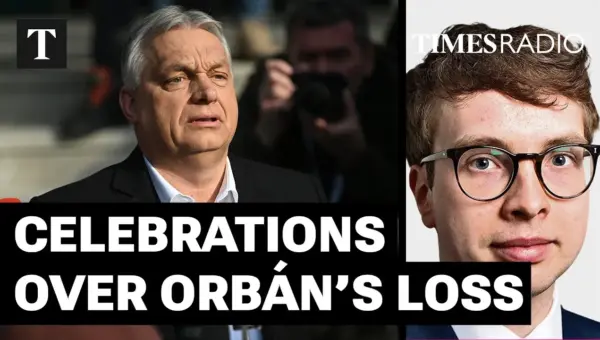
Hungary Elects New Leader, Ending Orbán’s Long Rule
Hungary has elected Peter Magyar as its new leader, ending Viktor Orbán's 16-year rule. The shift is seen as a win for the EU and a potential setback for the "MAGA" movement. Meanwhile, former US President Trump's proposal for a blockade on Iran faces international skepticism.

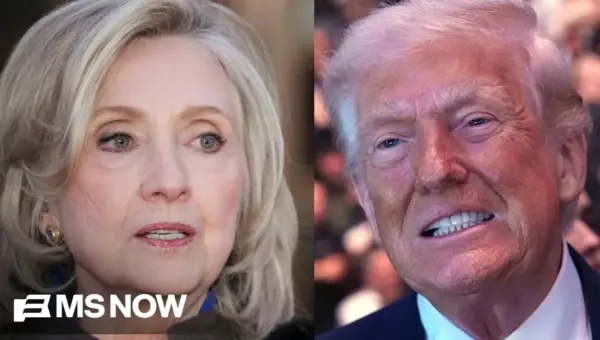
Clinton Slams Trump’s ‘Unhinged’ Social Media Posts
Hillary Clinton has strongly criticized Donald Trump's recent social media posts, labeling them "unhinged" and "disgraceful." She emphasized the need for accountability for leaders' words and actions, drawing parallels to international relations and the Iran nuclear program. Clinton also voiced concerns about Prime Minister Benjamin Netanyahu's leadership and its impact on Israel's long-term security.

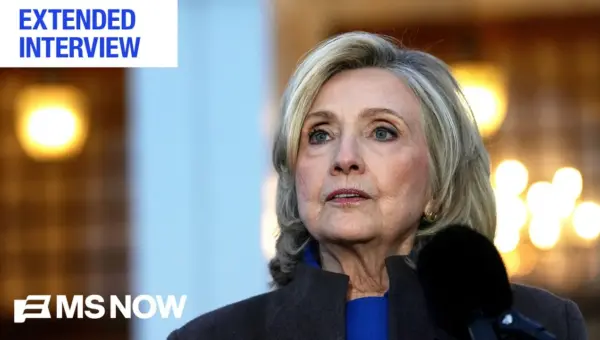
Clinton: Hungary Vote a Win for Democracy, Defeat for Putin
Hillary Clinton views Hungary's recent election as a significant victory for democracy and a defeat for authoritarianism, particularly for Putin and Trump. She stresses the importance of accountability and affordability as key messages for American Democrats going forward. Clinton also critiques Trump's rhetoric and leadership, warning of potential recklessness and advocating for stronger congressional oversight.