Trump’s Birthright Citizenship Order Faces Supreme Court Test
The Supreme Court is hearing arguments on President Trump's executive order aiming to restrict birthright citizenship. The case questions the long-standing interpretation of the 14th Amendment, which grants citizenship to nearly everyone born in the U.S. The administration argues this was not the original intent, while opponents fear a radical rewriting of constitutional law.

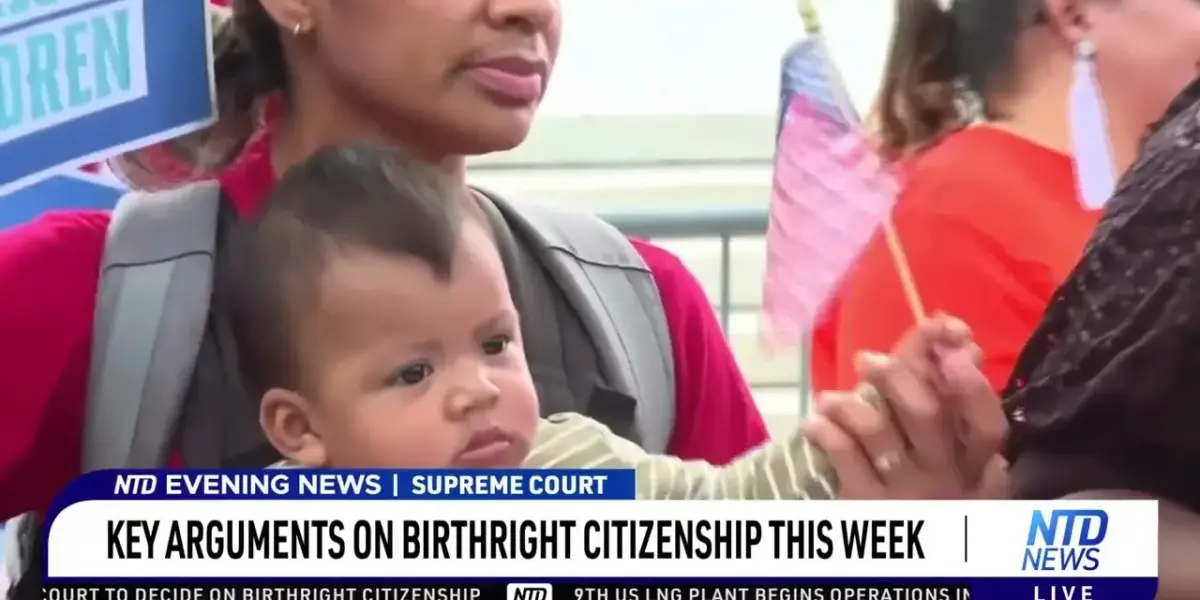
Supreme Court Weighs Birthright Citizenship Challenge
The Supreme Court is set to hear arguments this week on a major executive order from President Trump. This order aims to change how birthright citizenship works in the United States. Lower courts have put the order on hold, but the administration has appealed this decision. The case will focus on whether the President’s action goes against the Constitution.
Understanding Birthright Citizenship
For many years, the common understanding has been that anyone born in the U.S. is automatically a citizen. This idea comes from the 14th Amendment. It was added after the Civil War to make sure formerly enslaved people and their children were recognized as citizens. The President’s administration argues this understanding is wrong. They believe the amendment was only meant for former slaves and not for children of immigrants, especially those who might be in the country without permission.
“The Constitution has been fundamentally misunderstood for decades,” the Trump administration is expected to argue.
The President’s Viewpoint
President Trump has been vocal about his views. He posted on social media that the U.S. is unusual for even discussing this topic. He feels that many people use birthright citizenship to get around immigration rules. The Justice Department explained in court papers that the 14th Amendment’s citizenship clause was intended for newly freed slaves. They argue it was not meant for children of people visiting the U.S. or those who are undocumented.
The Opposition’s Argument
On the other side, people who are not U.S. citizens living here are worried. They fear their future children might not be recognized as citizens. They argue that the 14th Amendment simply follows an old English tradition. This tradition grants citizenship based on where a person is born. They see the executive order as a drastic attempt to change the meaning of the amendment.
Key Phrase in Focus
A crucial part of the debate centers on a specific phrase in the 14th Amendment. To be a citizen by birth, a child must be born in the U.S. and also “subject to the jurisdiction thereof.” The Supreme Court will likely examine what this phrase meant when it was written. The administration believes it excludes children of non-citizens. The opposing side argues it includes everyone born on U.S. soil.
Why This Matters
This case could have significant effects on immigration policy and the definition of citizenship in America. The long-standing interpretation of the 14th Amendment has shaped the country’s identity for over a century. If the Supreme Court sides with the administration, it could mean a major change for families with non-citizen parents. It could also lead to legal battles over who truly belongs in the United States. The outcome will influence how the country views citizenship and who is considered an American.
Historical Context and Future Outlook
The 14th Amendment was ratified in 1868. Its main goal was to ensure civil rights for newly freed slaves after the Civil War. The citizenship clause, specifically, aimed to prevent states from denying citizenship to anyone born or naturalized in the U.S. For decades, courts have largely interpreted this to mean that virtually all individuals born in the country are citizens. This interpretation has been a cornerstone of American identity. However, recent political debates have brought this understanding into question. The current administration’s challenge suggests a potential shift in how the amendment is viewed. The future outlook depends heavily on the Supreme Court’s decision. A ruling against birthright citizenship could reshape immigration policies for years to come. It might also spark further legal challenges and public debate about the very meaning of American citizenship.
Source: Supreme Court to Hear Key Arguments on Birthright Citizenship This Week (YouTube)

Related Articles

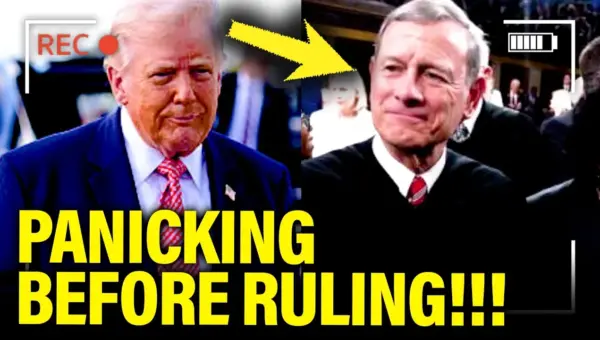
Birthright Citizenship Under Fire: Supreme Court Weighs Fate
The Supreme Court is examining the 14th Amendment's Citizenship Clause, which grants birthright citizenship. Donald Trump's challenge questions this long-standing principle, while legal experts and the ACLU argue for upholding it based on constitutional text and congressional statutes.

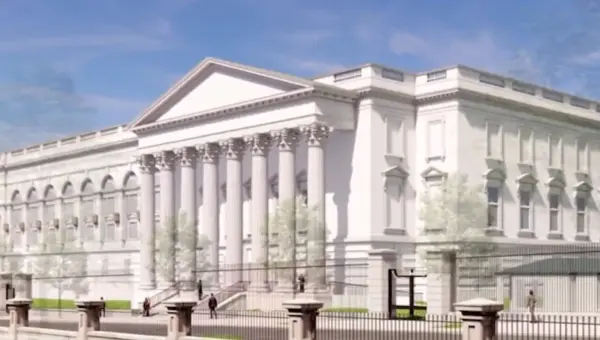
Judge Halts White House Ballroom Project, Citing Preservation
A federal judge has halted a $400 million White House ballroom project, calling the president a steward, not an owner, of the historic building. The ruling emphasizes the need to preserve the White House for future generations. The administration is expected to appeal the decision.

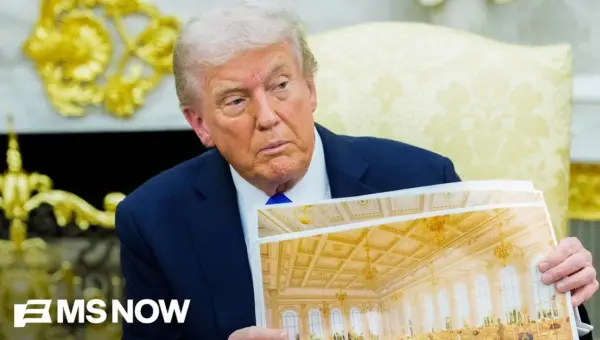
War Focus Lags as Trump Eyes Ballrooms, Profit, Critics Say
Critics are questioning the priorities of the Trump administration, suggesting a focus on personal enrichment and projects like a ballroom over critical foreign policy decisions. Reports allege attempts at profiting from the conflict, while Iran appears to have emerged stronger. The war's costs extend to depleted military supplies and potential cuts to healthcare.