Trump’s Ballroom Uses Foreign Steel Despite ‘America First’ Pledge
Donald Trump's new ballroom project is reportedly using steel from Luxembourg, contradicting his "America First" pledge and promises to bolster the U.S. steel industry. Reports suggest tens of millions of dollars in donated foreign steel are being used, raising questions about potential conflicts of interest and national security risks.

Trump’s Ballroom Uses Foreign Steel Despite ‘America First’ Pledge
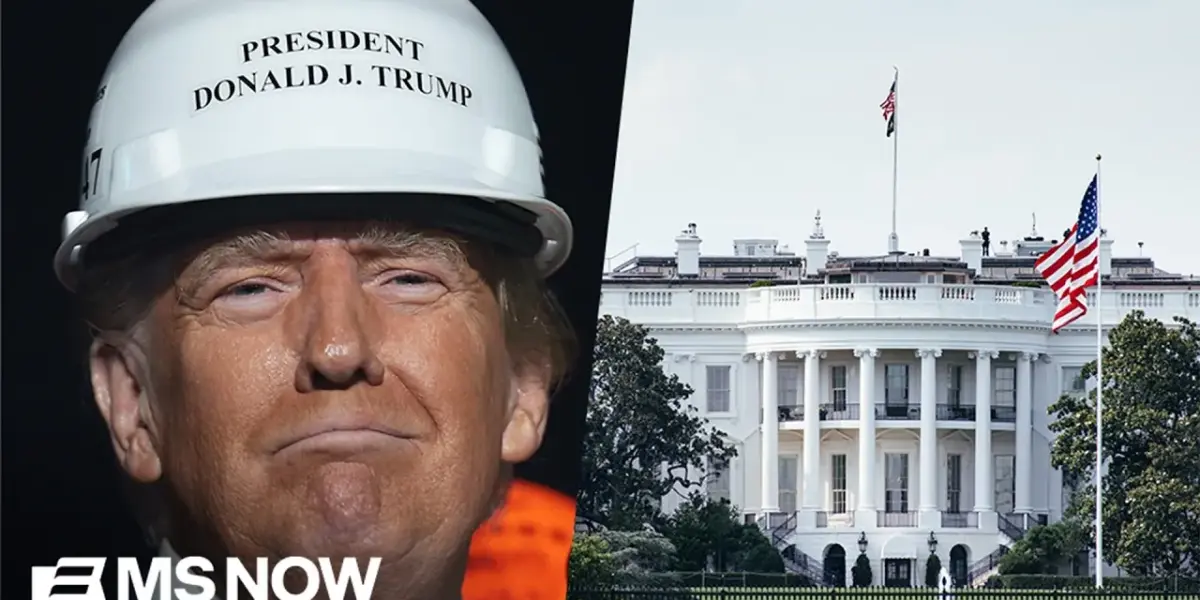
Donald Trump, a vocal advocate for American manufacturing and tariffs on foreign steel, is reportedly using steel from Luxembourg for his new ballroom project, contradicting his campaign promises. The opulent ballroom, described as a “big, gaudy lucky ballroom” with “stairs going nowhere,” is a $400 million project. Reports indicate that tens of millions of dollars worth of donated foreign steel from a Luxembourg-based firm called Celler Metal is being used for its construction. This revelation comes from new reporting by The New York Times, which cited two anonymous sources familiar with the project’s plans.
Campaign Promises vs. Project Reality
During his presidency and in his current campaign, Trump has consistently championed the idea of prioritizing American-made products, particularly steel. He has spoken about imposing and increasing tariffs on imported steel to protect and boost the U.S. steel industry. In one instance, Trump stated, “With the help of patriots like you, we’re going to produce our own metal, unleash our own energy, secure our own future, build our country control our destiny, and we are once again going to put Pennsylvania steel into the backbone of America like never before.” He also proposed increasing tariffs on steel imports, aiming to further secure the domestic industry.
Tariff Adjustments and Allegations of Quid Pro Quo
The use of foreign steel for Trump’s ballroom has raised questions about potential conflicts of interest and accusations of corruption. According to The New York Times, Trump mentioned at a White House event last October that a “great steel company” had approached him offering a gift to help his project. Just two days after these remarks, the White House issued a proclamation that made adjustments to tariffs on trucks, buses, and auto parts. This specific provision, it is alleged, would benefit Celler Metal. Miles Taylor, former DHS Chief of Staff during Trump’s first term, described the situation as a “layer cake of hypocrisy.” He suggested that Trump appears to be accepting gifts from foreign entities in exchange for potential tariff relief, a situation reminiscent of the quid pro quo that led to his first impeachment.
National Security Concerns
Beyond the apparent hypocrisy, the use of foreign steel in a structure that Trump himself has indicated will house a military facility raises significant national security concerns. Taylor drew a historical parallel to the 1970s, when the U.S. Embassy in Moscow was built using foreign steel. That embassy later had to be torn down because it had been designed to be a giant transmitter and bug, essentially a listening device for information collection. Taylor expressed worry that similar vulnerabilities could exist with the ballroom project, especially given that the administration has not publicly addressed such potential risks. “Putting foreign steel in a national security area is something we typically don’t do,” Taylor noted, questioning why Trump would proceed with such a plan.
Broader Implications for American Manufacturing
The situation highlights a complex tension between political rhetoric and business practices. While Trump’s public stance has been firmly in favor of American-made goods, this project suggests a different approach behind the scenes. The reliance on donated foreign steel for a high-profile project, even if intended to reduce costs or secure favorable terms, undermines the message of supporting domestic industries. This could create confusion and skepticism among American businesses and workers who have been encouraged to believe in a future powered by U.S. manufacturing. The allegations of quid pro quo also cast a shadow over the integrity of trade policy and the potential for personal enrichment to influence national economic decisions.
What’s Next
As more details emerge, the public and relevant authorities will likely scrutinize the financing and sourcing of the ballroom project. The New York Times’ reporting has opened the door to further investigation into the specific tariff adjustments and the nature of the “gift” from the foreign steel company. Questions remain about whether any official bodies will investigate these claims of potential corruption or national security risks. The political implications for Trump’s campaign, particularly concerning his consistent message of prioritizing American jobs and industries, will also be a key area to watch.
Source: STOP THE STEEL? Trump using foreign steel for ballroom despite campaign promise (YouTube)

Related Articles


Trump Renovation Raises Questions of Foreign Steel Influence
Questions are being raised about the use of foreign steel in White House renovations and potential links to policy changes. A donation of steel from ArcelorMittal to President Trump's ballroom project preceded adjustments to tariff policies that could benefit the company. This has sparked debate over transparency and corporate influence in government.

High Energy Costs Threaten Trump Agenda, Economist Warns
High energy prices are a major concern for the U.S. economy, potentially derailing the current administration's agenda despite positive GDP growth and rising wages. While tax cuts and deregulation provide support, global conflicts and their impact on oil markets create significant uncertainty for businesses and consumers.


Tariffs Hurt Small Businesses Despite Court Ruling
Small businesses continue to face rising costs due to tariffs, despite a Supreme Court ruling meant to halt them. Owner Nneka Christiane details how these tariffs increase her business expenses and create supply chain issues. The lack of recourse for compensation leaves many entrepreneurs struggling.