Trump’s Ballroom Plan Faces Crucial Vote Amid Legal Battles
President Trump's plan for a new White House ballroom faces a critical vote by the National Capital Planning Commission. This comes after a judge ruled that congressional approval is needed. The project, costing $400 million, is privately funded and part of a larger vision for D.C.

Trump’s Ballroom Plan Faces Crucial Vote Amid Legal Battles
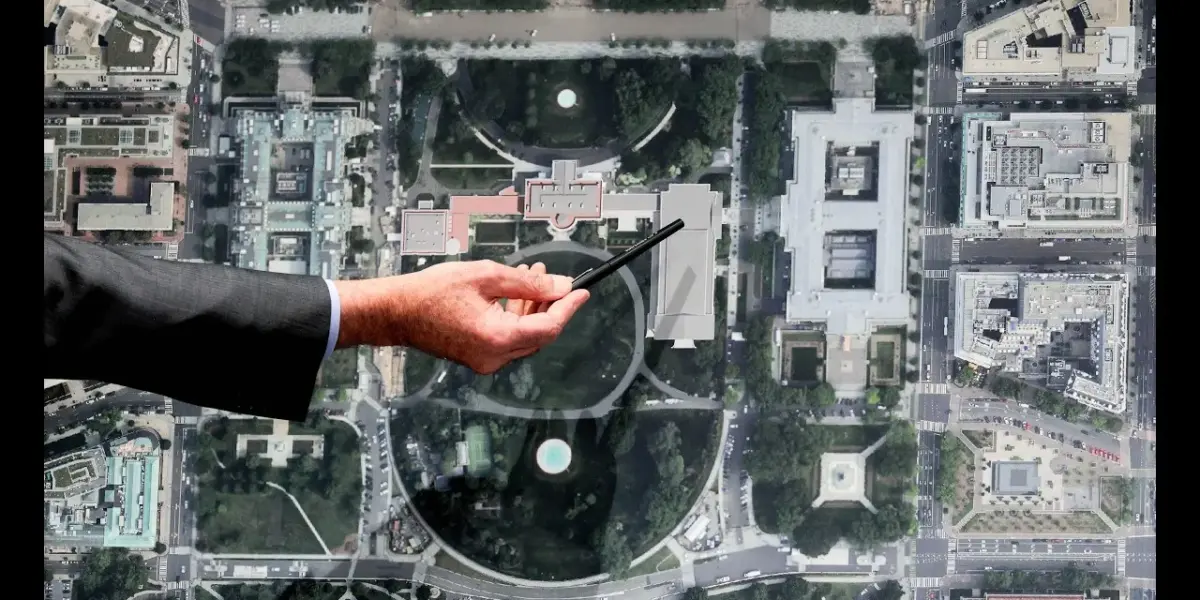
President Trump’s ambitious plan to construct a new ballroom at the White House is now at a critical juncture. The National Capital Planning Commission is scheduled to vote on the “East Wing Modernization Project.” This vote happens just days after a federal judge made a significant ruling. The judge stated construction cannot proceed without getting approval from Congress first.
The proposed project is substantial. It includes a 90,000-square-foot ballroom that would cost around $400 million to build. Importantly, this project is planned to be privately funded. This ballroom is just one piece of a larger vision to change the look of Washington D.C.’s main areas. Other ideas include a large ceremonial arch and upgrades to the Trump International Hotel & Tower. This hotel is also known as the Trump International Hotel & Tower.
Legal Challenges Mount
The path forward for the ballroom project is far from clear. The Justice Department is actively fighting the recent court decision. This decision favored the National Trust for Historic Preservation. The Trust argued that the President overstepped his authority. They claimed he moved to demolish the historic East Wing and start construction without the necessary OK from Congress.
Historical Context and Broader Ambitions
This debate over the ballroom touches on deeper questions about presidential power and historic preservation. Throughout history, presidents have sought to leave their mark on Washington D.C. They often propose changes to public spaces. However, these plans usually involve careful review and public input. The scale and private funding of Trump’s proposal have raised unique concerns.
The idea of reshaping the capital’s monumental core is not new. Many administrations have considered large-scale renovations. However, the specific elements of Trump’s plan, like the ceremonial arch and the focus on private funding for a White House expansion, stand out. These elements have sparked debate about the appropriate use of federal space and resources.
Why This Matters
This vote and the ongoing legal challenges highlight a major conflict. It’s a clash between executive ambition and established legal and preservation processes. The outcome could set a precedent for future presidential projects. It will also show how much weight is given to historical preservation laws when a president has a strong vision for change.
The public’s trust in government is also at stake. When large projects are proposed, especially those involving taxpayer-funded spaces like the White House, transparency and adherence to the law are crucial. The legal battle emphasizes the importance of checks and balances. These ensure that powerful figures cannot simply bypass established procedures.
Implications, Trends, and Future Outlook
If the commission approves the project, it could embolden the administration. It might also lead to further legal challenges from preservation groups. If the vote fails or is delayed, it could signal a significant roadblock for the ballroom. The administration’s next steps would likely involve pushing harder on the appeal or seeking alternative paths for approval.
This situation reflects a broader trend. There’s an ongoing tension between development and preservation in historic cities. Many places grapple with how to modernize while respecting their past. The Trump administration’s approach, emphasizing bold visions and private investment, is one approach to this challenge. However, it faces considerable resistance when it clashes with existing regulations and public sentiment.
Looking ahead, the legal battles seem likely to continue. The core issue of presidential authority versus congressional approval and historic preservation is complex. The courts will likely play a significant role in deciding the final fate of the East Wing Modernization Project. Regardless of the outcome, this debate underscores the importance of careful planning and public oversight in shaping our nation’s capital.
Source: Planning Commission to Vote on Trump’s Ballroom Project (YouTube)

Related Articles

Trump Escalates Iran Tensions, Targets Infrastructure
President Trump has warned of intensified strikes against Iran, targeting infrastructure like bridges and power plants. This strategy aims to pressure the regime into peace talks, though Iranian officials condemn it as an attack on civilian life. U.S. officials state the strikes target military supply routes to undermine Iran's capabilities.


Trump Threatens Iran: Bridges, Power Plants Next Targets
President Trump has escalated his rhetoric against Iran, threatening to target critical infrastructure like bridges and power plants. These comments come amidst ongoing military operations and a recent shake-up in Army leadership. Geopolitics experts suggest this is a strategic move to pressure Iran's hardliners, with a focus on concluding operations swiftly.


Trump Declares Iran War Nearing End, NATO Future Uncertain
President Trump declared the US military operation in Iran nearing completion, projecting a swift end to intensified bombing within weeks. However, Iran disputes this, stating the war is far from over. Meanwhile, the future of NATO hangs in the balance as Trump considers US withdrawal, sparking debate on the alliance's relevance and legal hurdles for exit.