Trump’s Ballroom Dream Faces Legal Reality Check
A federal judge has blocked Donald Trump's White House ballroom project, citing a lack of congressional approval. Despite a recent commission vote, legal experts say the ruling stands, potentially heading to the Supreme Court. This case tests presidential power against constitutional checks and balances.

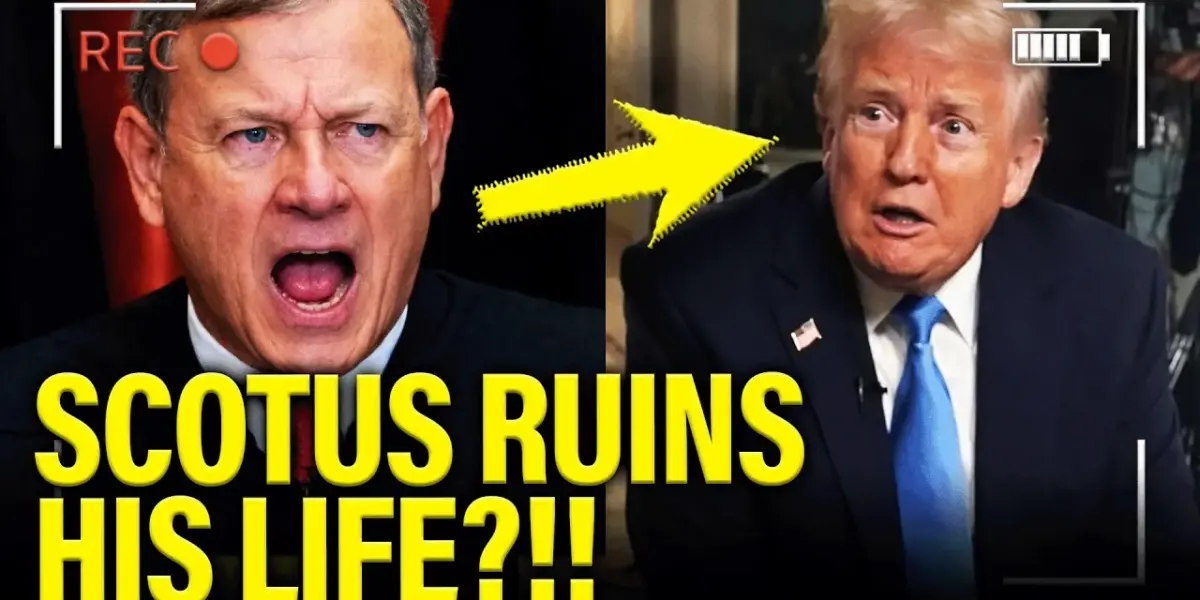
Trump’s Ballroom Dream Faces Legal Reality Check
Donald Trump’s desire to build a grand ballroom at the White House has hit a major roadblock. A federal judge in Washington D.C. has blocked its construction, citing constitutional concerns about how the project is being funded and approved. This ruling highlights a clash between presidential ambition and the system of checks and balances designed to govern the use of public funds and property.
Judicial Roadblock for a Presidential Project
The core of the issue lies in who has the authority to approve and pay for such a significant addition to the White House. Federal Judge Leyon, appointed by George W. Bush, ruled that the ballroom project violates the constitutional requirement for congressional authorization and funding. Essentially, the judge stated that if a president wants a project like this, they must go through Congress, not act alone. This decision is based on established laws and constitutional principles that give Congress oversight over government spending and property.
Trump’s Arguments and the Judge’s Rebuttal
Trump’s team argued that the ballroom is necessary for security purposes, claiming it would protect against drones and ballistic missiles. They even suggested that a bunker underneath the ballroom would house classified information, further justifying its construction. However, Judge Leyon’s order specifically addressed this, stating that while security needs might be considered, the overall construction of the ballroom itself requires congressional approval. The judge’s analysis, supported by legal experts and statutes, points to the clear authority Congress holds in appropriating funds for White House projects.
The National Capital Planning Commission Vote
Adding another layer to the story, the National Capital Planning Commission (NCPC) recently voted 8-1 to approve the ballroom project. Trump himself announced this vote on social media, suggesting it was a victory that allowed construction to proceed. However, legal experts emphasize that this vote does not override the federal judge’s injunction. The NCPC’s approval is a procedural step, but it cannot supersede a court order that demands congressional authorization. The judge’s ruling remains in effect, meaning the ballroom cannot be built without Congress giving the green light.
Potential Supreme Court Involvement
Donald Trump is expected to appeal the judge’s decision, and the case could eventually reach the Supreme Court. However, legal analysts suggest the Supreme Court might choose not to hear the case. Unlike issues with widespread legal disagreement among lower courts, this ballroom case may not present the kind of urgent or complex question that typically grabs the Supreme Court’s attention. Furthermore, the justices might be hesitant to be associated with a project widely seen as an extravagant and potentially embarrassing monument to one individual.
Historical Context and White House Design
The White House, as a symbol of American democracy, has traditionally reflected a more restrained, neoclassical design. The proposed ballroom, described by critics as a “grotesque, obnoxious Xanadu,” stands in stark contrast to this historical aesthetic. The idea of a president undertaking such a personal and grandiose project without clear congressional backing raises questions about the appropriate use of presidential power and public resources. The White House is meant to represent the nation, not serve as a private monument for a single administration.
Why This Matters
This legal battle over the White House ballroom is more than just a dispute over a building. It’s a significant test of the principle of separation of powers and congressional oversight. The case highlights the importance of ensuring that executive actions, especially those involving substantial public funds and alterations to national landmarks, are subject to democratic accountability. The outcome will reinforce whether the president can unilaterally push forward large-scale projects or if they must adhere to the established legal and constitutional processes that involve the people’s representatives in Congress.
Implications and Future Outlook
The ongoing legal challenges suggest that Trump’s vision for the ballroom is unlikely to be realized easily, if at all. Even if the case progresses through the courts, the fundamental requirement for congressional approval remains. The situation also reflects a broader trend of executive actions being challenged in court, indicating a continuing tension between presidential power and constitutional limits. For the future, this case serves as a reminder that presidential projects, no matter how personally desired, must navigate the legal framework designed to prevent overreach and ensure public trust.
Source: SCOTUS ready FOR DEATH PUNCH on Trump’s BALLROOM!! (YouTube)

Related Articles

MTG Attacks Trump: ‘America First’ Loyalty Tested
Congresswoman Marjorie Taylor Greene is publicly criticizing Donald Trump, arguing he has betrayed "America First" principles by prioritizing war over domestic issues. She is urging supporters to leave MAGA and is highlighting economic concerns like inflation and rising gas prices. This dissent signals a potential rift within the movement.

Trump’s Iran Threat: ‘Not Sane Messaging,’ Says Ex-Air Marshal
A U.S. airman was rescued after his F-15 jet was shot down over Iran, a mission President Trump lauded. However, Trump's subsequent aggressive threats towards Iran have drawn sharp criticism from former Air Marshal Greg Bagwell, who called the messaging 'not sane.' The operation highlighted the risks involved and raised questions about Iran's capabilities.


Trump Threatens Iran, Shaking Global Stability
Former President Trump's aggressive Easter Sunday warning to Iran has ignited global concerns, highlighting a volatile intersection of politics, religion, and foreign policy. The analysis explores the motivations behind such rhetoric, the deep divisions within American society, and the potential for severe economic and geopolitical repercussions worldwide.