Trump’s Ballot Box Gambit: Military Presence at Polls?
Concerns are mounting over potential strategies involving military or federal agents at polling stations, raising fears of voter intimidation and interference. This discussion delves into the historical context, legal implications, and the urgent need for vigilance in safeguarding electoral processes.

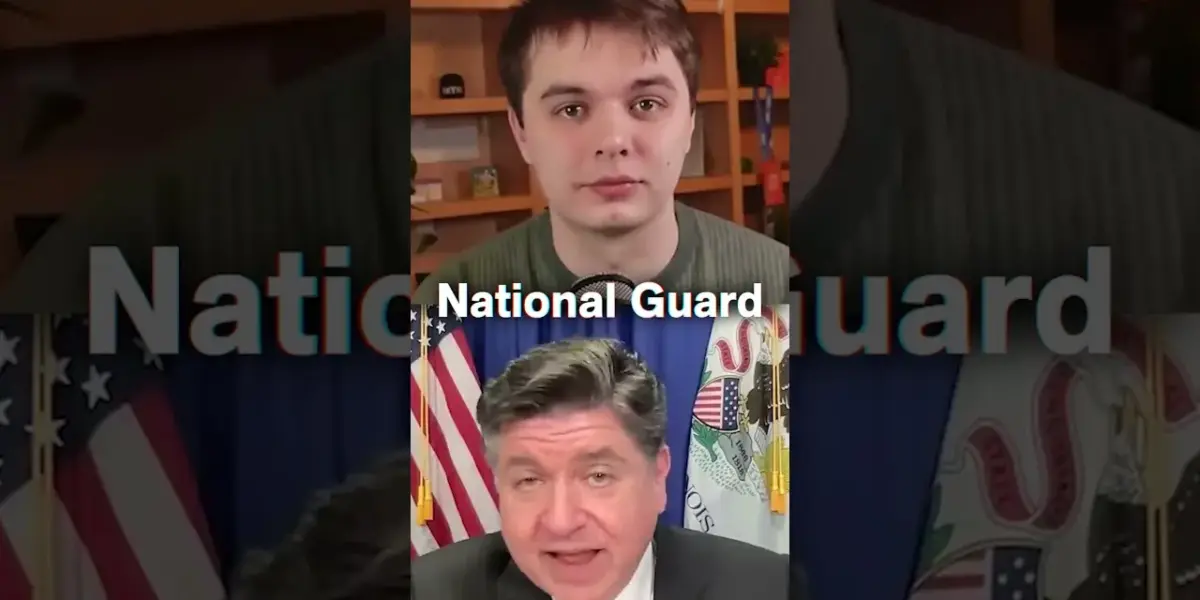
Trump’s Ballot Box Gambit: Military Presence at Polls?
Recent discussions and statements suggest a concerning potential strategy involving the deployment of military or law enforcement personnel at polling stations, a move that could fundamentally alter the landscape of American elections. The idea, voiced by some observers, posits that former President Donald Trump may seek to place National Guard, CBP, or ICE agents at polling places, ostensibly to monitor or secure the electoral process. However, critics argue this represents a deliberate attempt to intimidate voters and potentially interfere with ballot collection, drawing parallels to past events and statements.
Echoes of Past Allegations and Calls to Action
The notion of military or federal agents at polling stations is not entirely new. The transcript references a specific instance involving Michael Flynn in late 2020 or early 2021, suggesting he advised Trump to “seize the ballot boxes.” This historical anecdote, whether factual or perceived, fuels current anxieties about potential actions following future elections. The underlying concern is that if election results do not favor Trump, claims of fraud will inevitably surface. The transcript points to Trump’s prior requests for voter rolls as a means to “jin up some reason” for such claims, despite the generally accepted reality that U.S. elections are largely fraud-free, with very few documented cases of widespread fraud.
The ‘Insurrection Act’ and Voter Intimidation
A significant aspect of this discussion revolves around the potential invocation of the Insurrection Act. Should Trump, or a future administration aligned with his thinking, claim a state of insurrection, it could theoretically grant the President the authority to deploy active-duty military or federalized National Guard units domestically. The fear articulated is that such a deployment, even if framed as security, would serve to “scare people away from the polls and/or seize the ballot boxes.” This raises profound questions about the role of the military in domestic civilian affairs and the delicate balance of power designed to protect democratic processes.
Governors’ Concerns and the Call for Vigilance
The transcript indicates that conversations are occurring among governors regarding these potential scenarios. While specific details are being kept confidential, the implication is that state leaders are contemplating how to respond to such unprecedented actions. The speaker expresses gratitude to those “on the front line and pushing back against this administration’s attempts to take our elections from us,” framing the situation as a fight to preserve electoral integrity. The mid-term elections are highlighted as a crucial battleground, with an urgent plea to avoid apathy and ensure high voter turnout. The argument is that such a strong showing can act as a bulwark against attempts to undermine election legitimacy.
Eroding Credibility and Public Perception
The analysis also touches upon the perceived erosion of Donald Trump’s credibility. The transcript lists events such as the release of the Epstein files, revelations concerning figures like Renee Good and Alex Prey, and international incidents like Iran strikes, suggesting these have diminished public trust. The assertion is that if Trump attempts to “lay the groundwork and mobilize the National Guard,” the American people will be more likely to see through such actions as politically motivated rather than genuine attempts to secure elections. This public perception, the argument goes, could limit the effectiveness of any perceived intimidation tactics.
Why This Matters
The prospect of deploying military or federal law enforcement at polling stations represents a significant departure from established norms in American elections. Such a move could be interpreted as an authoritarian tactic, designed to suppress votes rather than ensure their integrity. The potential for intimidation, the blurring of lines between military and civilian roles, and the weaponization of election security concerns strike at the heart of democratic principles. The historical context, including past rhetoric and actions surrounding election challenges, adds weight to these concerns. The ongoing debate underscores the fragility of democratic institutions and the constant need for vigilance and active participation from citizens and elected officials alike to safeguard the electoral process.
Implications, Trends, and Future Outlook
This discussion points to a concerning trend of politicizing election administration and security. The potential for deploying personnel with intimidating appearances at polling sites raises specters of voter suppression, echoing historical tactics used in less democratic societies. The implications extend beyond any single election, potentially normalizing the idea of military presence at the polls, which could have a chilling effect on voter participation for years to come. The future outlook depends heavily on the actions of elected officials, the judiciary, and the electorate itself. A strong, unified stance against such tactics, coupled with robust election administration and transparent processes, will be crucial. Furthermore, continued public engagement and a commitment to civic duty, as advocated in the transcript, are essential to counter any attempts to undermine democratic norms.
Historical Context and Background
While the direct deployment of federal troops to actively intimidate voters at polling stations is not a common feature of modern U.S. elections, historical precedents exist for military involvement in civil unrest and election-related matters. The use of the National Guard during the Civil Rights era, for instance, was often to enforce federal court orders, sometimes in controversial circumstances. However, the context here is different: the alleged intent is not to enforce law or court orders, but to potentially intimidate voters or interfere with ballot collection based on unsubstantiated claims of fraud. The Insurrection Act itself has a long history, but its application in modern times, particularly for managing domestic election processes, remains a highly contentious and legally complex issue. The current discourse reflects a heightened state of political polarization, where election integrity itself has become a partisan battleground.
Source: Trump Wants Troops At The Ballot Box #politics #fyp #new (YouTube)

Related Articles
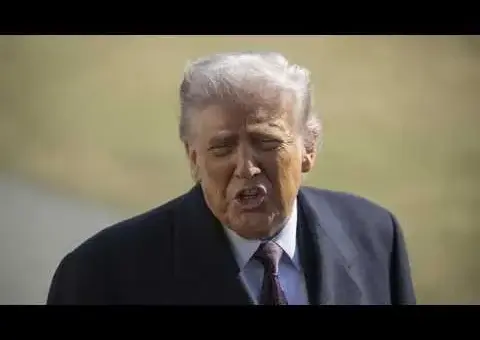
Trump’s Election Wars: Foreign Threats Mask Domestic Power Grab
Donald Trump's recent pronouncements linking military action against Iran to claims of election interference reveal a concerning strategy. Analysts suggest foreign policy is being weaponized to consolidate domestic power and undermine democratic processes, raising alarms about executive overreach and the future of fair elections.
MTG’s Warning: Trump Eyes Midterm Election Sabotage
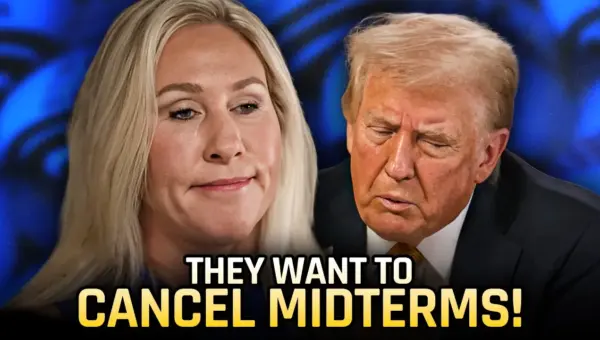
Even Marjorie Taylor Greene is now voicing concerns that Donald Trump might attempt to cancel the upcoming midterm elections. This alarming sentiment, echoed by conservative podcaster Shannon Joy, highlights a worrying willingness within some political circles to explore extreme measures. While legal barriers exist, the uncertainty surrounding the potential response from Congress and the courts creates a deeply unsettling scenario for the future of democratic processes.
Dem Strategist Warns of GOP Rigging Ahead of Midterms
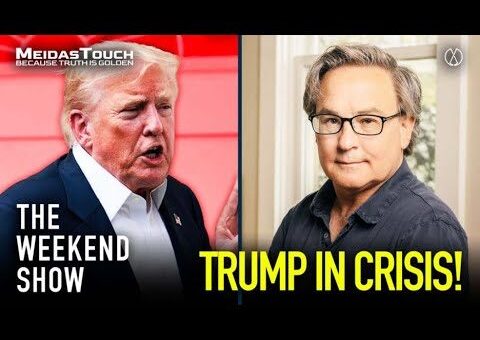
Democratic strategist Simon Rosenberg expresses concern over alleged Republican plans to 'rig the midterms,' highlighting a shift in political tactics. The discussion emphasizes voter empowerment and vigilance to ensure every vote is counted in the upcoming elections.