Trump’s Approval Plummets: White House Faces Voter Backlash
New polls show a significant drop in Donald Trump's approval rating, reaching an all-time low. Support is declining among key voter groups, including men, working-class voters, and African-Americans. The administration's efforts to blame others for unpopular policies may not be enough to reverse this trend.

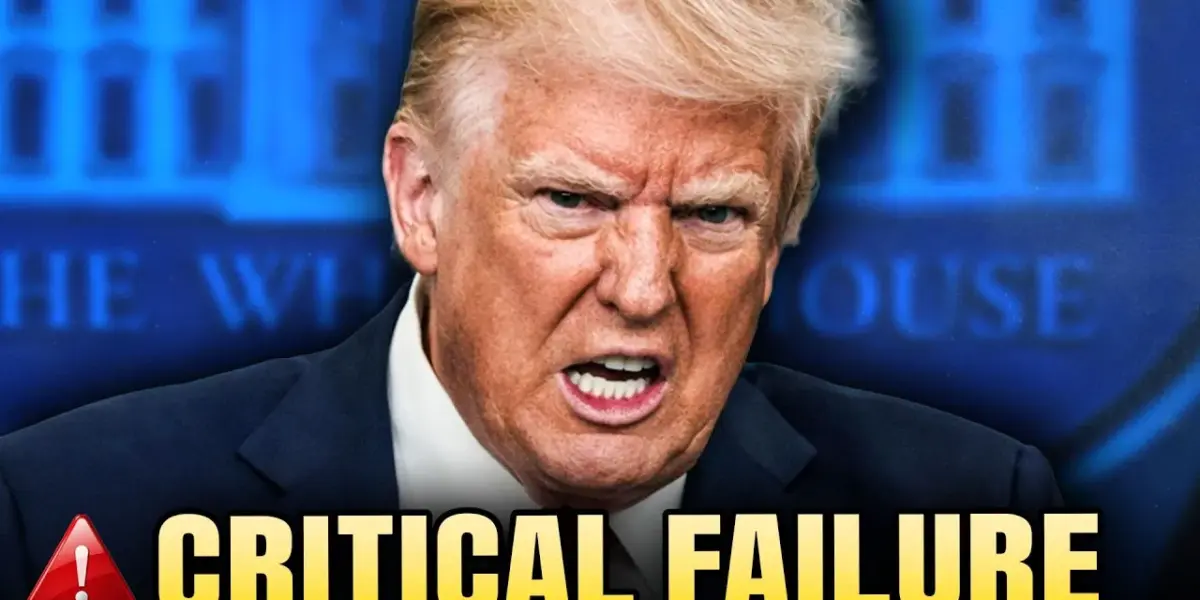
New Polls Show Alarming Drop in Trump’s Support
Recent polls reveal a serious problem for Donald Trump and his administration. His approval rating has fallen to a new low, now hovering in the low 30s. A poll from the University of Massachusetts Amherst shows his approval at just 33%. This is a concerning sign for the White House, especially because support is dropping among groups that helped Trump win in 2024.
Key Voter Groups Show Declining Confidence
Support among men, working-class voters, and African-Americans has dropped by about 20 points since April 2025. This is a significant loss in just one year. Moderates have also shown less support, with a drop of 18 points. Independents are also moving away, showing a 13-point decrease. These groups were important for Trump’s victory and will be key in future elections.
Adding to the concern, 5% of voters who previously supported Trump now say they regret their vote. This number has increased from previous polls. More worrying for Trump is that only 62% of his own voters feel very confident in their choice. This is a 12-point drop since April 2025, showing a decrease in confidence even among his base.
Polls Confirm Widespread Disapproval
While some might dismiss a single poll as an outlier, other surveys show a similar trend. A Reuters Ipsos poll places Trump’s approval rating at 36%. Even a Fox News poll, which some might consider favorable, shows his approval at 41% but his disapproval at a high 59%. This suggests that nearly 70% of the country does not approve of his administration after 14 months.
Scapegoats and Shifting Blame
Looking ahead, it seems unlikely that things will improve for Trump. Instead, the administration appears to be looking for new people to blame for unpopular policies. This week, Trump seemed to blame Steven Miller for his immigration policies. However, Trump himself campaigned on these exact issues, making the blame seem misplaced. Miller may be a controversial figure, but Trump was the one who pushed these policies.
Other officials are also being made to take the fall. Kirstjen Nielsen became the target for issues within the Department of Homeland Security, which oversees immigration enforcement. Corey Lewandowski also faced criticism. Pam Bondi is reportedly taking blame for actions at the Department of Justice, despite acting on Trump’s orders. The only cabinet member not fully following Trump’s direction is Robert F. Kennedy Jr., who is reportedly acting independently and has also faced historically low popularity.
Trump Remains at the Center of Responsibility
While these officials are being presented as scapegoats, the ultimate responsibility rests with Donald Trump. He is directing most departments, except for Kennedy’s. He is the one giving orders, and therefore, he is the one accountable for the outcomes. The declining approval ratings suggest that the public is not buying the narrative of blame being shifted away from the President.
Why This Matters
These low approval ratings and the declining confidence among key voter groups are significant indicators of public sentiment. They suggest that the administration’s policies and leadership style are not resonating with a broad base of the electorate. The effort to assign blame to others rather than taking responsibility could further alienate voters.
Implications and Future Outlook
The trend of declining approval ratings, particularly among crucial demographic groups, poses a serious challenge for Trump’s political future. It suggests a potential shift in voter allegiance and a growing dissatisfaction with his presidency. If these trends continue, it could impact upcoming elections and the broader political landscape. The administration’s strategy of finding scapegoats may not be enough to regain public trust.
Historical Context
Presidential approval ratings have historically been a key indicator of a president’s standing with the public. Sustained low approval ratings can signal difficulties in enacting policy, winning re-election, and maintaining party unity. The current situation for Trump, with significant drops in support from his core constituencies, is a stark reminder of the challenges faced by leaders who lose touch with key segments of the electorate.
Source: White House In Shambles As Trump Hits New Low (YouTube)

Related Articles
Trump Shakes Up Top Ranks Amid Iran Uncertainty
President Trump has initiated a series of high-profile firings, including the Attorney General and the Army's Chief of Staff, sparking uncertainty in Washington. These changes occur as the administration's strategy regarding Iran remains unclear. Meanwhile, Vice President JD Vance has been appointed "Fraud Czar," taking the lead on a new anti-fraud initiative.
Trump’s Base Crumbles as Key Allies Urge Followers to Move On
Polls show Donald Trump's approval ratings are falling, and even key allies like Tucker Carlson and Alex Jones are urging followers to move on. While a core MAGA group remains loyal, that group is shrinking, signaling a potential collapse in his broader base of support.

Trump Weighs War Exit Amid Iran Strikes and Internal Debate
President Trump is reportedly facing internal debate over how to end the escalating conflict with Iran, according to a new Time Magazine report. While publicly vowing to increase strikes, privately Trump seeks an "off-ramp" to declare victory and avoid domestic backlash, even as advisors express surprise at Iran's retaliatory attacks.