Trump’s Apocalyptic Threats Fuel Dangerous Conspiracy Theories
Donald Trump's "apocalyptic" threats towards Iran and the surge in conspiracy theories surrounding him are creating dangerous trends. Journalist Will Sommer discusses how fringe beliefs, often laced with anti-Semitism, are gaining traction and influencing public discourse, with real-world consequences for politics and society.

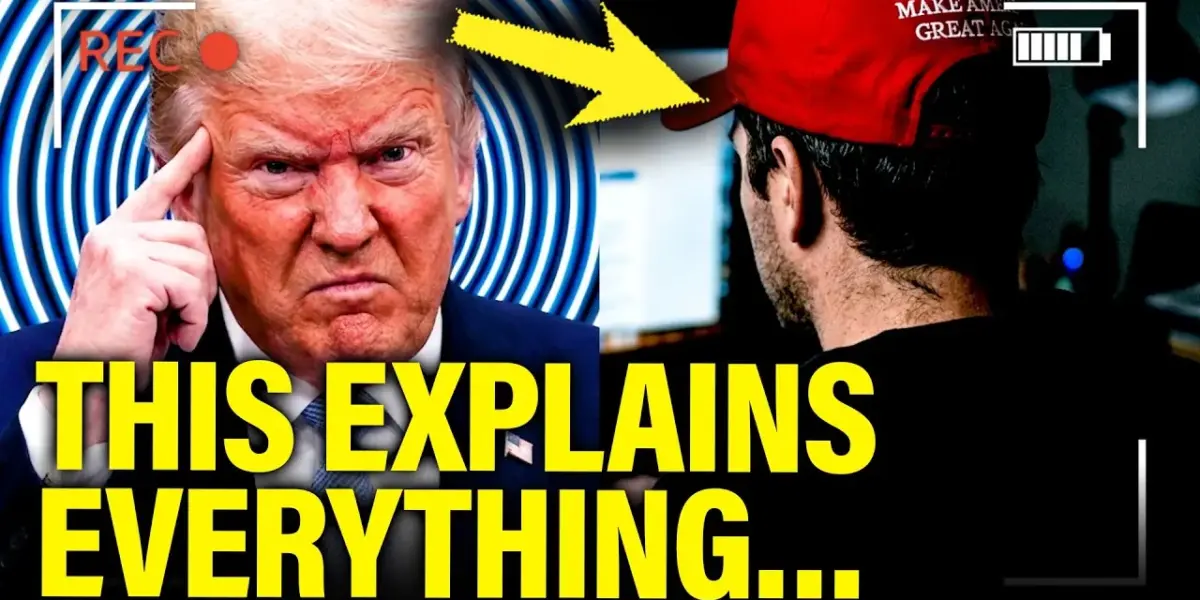
Trump’s Apocalyptic Threats Fuel Dangerous Conspiracy Theories
Donald Trump’s recent rhetoric towards Iran has been described as “apocalyptic.” He issued a stark warning that the U.S. would “destroy Iran’s entire civilization” if his demands were not met. While Trump later backed down, the exact terms of the agreement remain unclear. However, reports suggest that ships passing through the Strait of Hormuz may have to pay millions to Iran. This could give Iran more power while damaging America’s standing in the world.
Even supporters of Trump’s policies, known as MAGA commentators, have expressed confusion and anger. They point to a lack of clear reasons for the conflict, what they see as lies from the administration, and a failure to plan for the war’s success or its end. The situation has also sparked a surge in conspiracy theories on the political right, often used to defend or explain the actions of the Trump administration.
The Rise of Fringe Beliefs
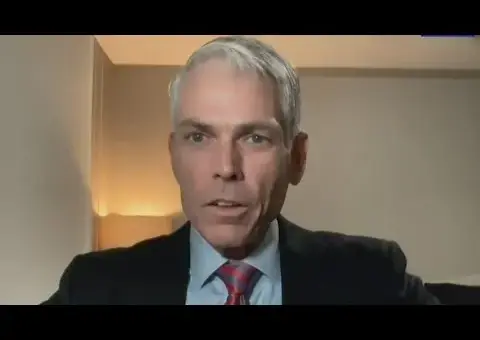
Will Sommer, a journalist and author who studies conspiracy theories, discussed this trend in an interview. He noted that the more extreme Trump’s statements become, the more extreme the theories surrounding him grow. Sommer highlighted how these theories can stem from or connect to older ideas like anti-Semitism, even when disguised as legitimate concerns about Israel.
One prominent example Sommer pointed to is Tucker Carlson’s commentary. While not stating it directly, Carlson has suggested that Trump might be the Antichrist. He has implied that Trump may want to destroy Christianity or seek something even greater than the presidency, hinting at a desire to become like a god. This line of thinking is often linked to Trump’s social media posts, such as the one about ending Iranian civilization.
The interview took place shortly after Trump’s alarming post about Iran. Sommer expressed shock at the apocalyptic nature of Trump’s statement, comparing it to thinking about nuclear weapons. He described it as “legit apocalyptic” and said that such language is deeply concerning, especially for those in military planning who must consider worst-case scenarios.
Why This Matters
The conversation emphasized that these conspiracy theories, while often seeming ridiculous, have real-world consequences. Sommer explained that even when theories appear to be just “viral absurdity,” many people believe them. He gave the example of Candace Owens, whose remarks, though often outlandish, are taken seriously by some individuals, including those who don’t identify as Republicans.
Politically, these theories can hurt parties. Sommer mentioned that some Republicans might have expected to benefit from sympathy for figures like Charlie Kirk, but Owens’s statements have instead caused division within conservative groups. This infighting can undermine organizations and lead to attacks on individuals, such as Kirk’s widow.
More troublingly, Sommer argued that figures like Owens are making anti-Semitism more common in politics and among the general public. By targeting individuals and linking them to supposed Jewish influence, these theories echo dangerous historical prejudices. This normalization of hateful ideas is a significant concern for society.
When Critics Speak Out
The interview also touched on the unusual situation of figures who have often supported Trump suddenly criticizing him. When commentators like Tucker Carlson, Nick Fuentes, or Joe Kent make statements that seem critical of Trump or even suggest voting for Democrats, it presents a challenge. Sommer acknowledged that in rare moments, these individuals might raise valid points about Trump’s behavior, such as his not placing his hand on the Bible during his inauguration.
However, he stressed that these figures often hold deeply problematic views themselves, including racism and anti-Semitism. Therefore, while their criticism of Trump might be seen as undermining him and hurting Republican morale, it’s difficult to embrace them as allies or champions of truth. The best that can be done, Sommer suggested, is to recognize that they are sometimes working against Trump.
The Epstein Files and Loyalty
Another persistent issue discussed was the ongoing questions surrounding Jeffrey Epstein and the release of related documents. Pam Bondi, a former Florida Attorney General, was recently fired. Sommer suggested this was likely due to frustration over how the Epstein files were being handled. Bondi’s public statements about a client list and binders of information, followed by claims that there was nothing new, raised suspicions and fueled interest in the case.
Sommer believes that Trump will face continued pressure on this issue, especially if Democrats gain control of Congress and can issue subpoenas. He noted that conservative groups like Judicial Watch are still seeking information, questioning why certain communications between Bondi and Cash Patel about Epstein are not being released. This suggests that the Epstein case could continue to cause problems for Trump.
The discussion also highlighted Trump’s apparent lack of loyalty. Bondi, who seemed to go to great lengths to defend Trump and the administration, was ultimately dismissed. This pattern, where Trump fires and often humiliates those who have supported him, is seen as a consistent trait. Sommer noted that Trump’s father, Fred Trump, also used humiliation as a parenting style, which seems to have carried over into Donald Trump’s public and private dealings.
Media’s Role and Future Outlook
When asked about mistakes the mainstream media makes, Sommer suggested that they sometimes give too much attention to fringe conspiracy theories. However, he also noted that some right-wing outlets, like John Solomon’s Just the News, can receive important information directly from the administration. He believes that paying attention to how these outlets frame stories can offer insight into the administration’s true intentions.
For example, Sommer pointed to coverage of Tulsi Gabbard’s efforts to investigate election interference. While some media might see this as a genuine search for truth, Sommer suggests it could be preparation for federal interference in future elections. He advocates for watching right-wing media to understand how these narratives are being shaped for their audiences.
Regarding the conflict with Iran, Sommer mentioned the rise of a figure called “Professor Xiang.” This individual, a Canadian Chinese man living in China, presents himself as an expert but mixes obvious predictions with conspiracy theories involving Freemasons and Jewish people. Despite often being wrong about predictions, his professorial style and esoteric content have gained traction on platforms like TikTok, leading some to call him the “Chinese Nostradamus.” Sommer sees this as another example of strange characters and cult-like content influencing public discourse, similar to some of the ideas promoted by Candace Owens.
The conversation concluded with an agreement that the situation is becoming increasingly bizarre and that continued attention is needed. The underlying themes of apocalyptic rhetoric, escalating conspiracy theories, and questions of loyalty and transparency suggest a volatile political environment with uncertain future outcomes.
Source: Trump BRAINWASH SCHEME Gets FULLY EXPOSED (YouTube)

Related Articles
US Tightens Grip: Iran Strait Blockade Sparks Global Oil Fears
The U.S. is threatening to block Iranian ports, a move that could severely disrupt global oil supplies. This action tests international law and puts major economies like China and India at risk of inflation. The standoff signals a potential shift in global power dynamics.
US Navy Blockades Strait of Hormuz, Targets Iranian Tolls
The U.S. Navy has initiated a blockade of the Strait of Hormuz, targeting vessels paying Iranian transit tolls. This move aims to cut off Iranian revenue and follows failed diplomatic talks. The action carries significant geopolitical risks, particularly concerning potential Chinese involvement.

Iran Threatens US Navy Amid Escalating Tensions
Iran is threatening to bomb U.S. naval ships near the Strait of Hormuz amid a significant U.S. military buildup. Diplomatic talks have stalled on key issues like nuclear enrichment and regional security, increasing the likelihood of renewed conflict.