Trump’s Apathy Fuels Iran Tensions, Endangers US Security
Alarming intelligence about Iran's potential drone attacks on US soil is overshadowed by the Trump administration's contradictory messaging and perceived apathy. This analysis explores the dangerous implications for national security and economic stability.

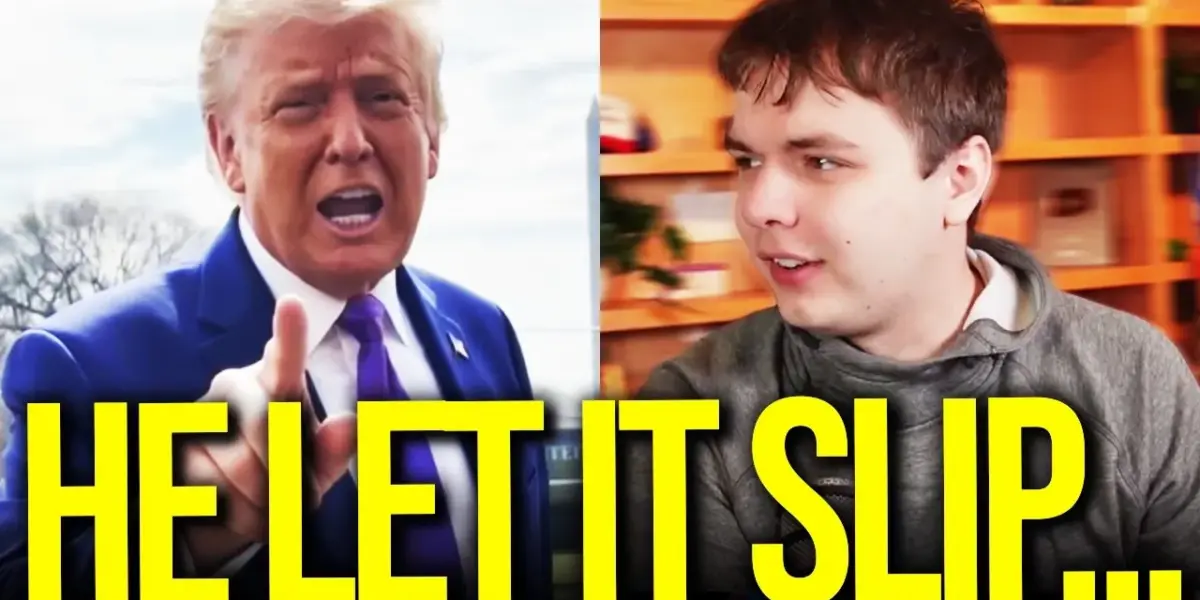
Trump’s Apathy Fuels Iran Tensions, Endangers US Security
Recent intelligence indicating Iran’s potential retaliation against US soil, specifically targeting the West Coast with drones, should serve as a stark wake-up call for any American concerned with national security and personal safety. The unfolding situation, exacerbated by the current administration’s contradictory statements and perceived indifference, paints a deeply concerning picture of a nation potentially adrift in escalating geopolitical conflict.
A Pattern of Contradiction and Apathy
The gravity of the situation was amplified by an FBI alert, reported by ABC News, detailing Iran’s alleged aspiration to launch a surprise drone attack from an unidentified vessel off the US coast, should the United States conduct strikes against Iran. While speculation about the nature of such an attack, including the possibility of a false flag operation, abounds, the core issue remains the administration’s inconsistent messaging. As one observer aptly summarized the shifting narratives: “It’s a war. Actually, it’s a military operation. It’s an excursion. Iran started it. Wait, Israel started it. No, we started it. It’s ending now. Actually, it’s just beginning. Actually, it’s been going on for 47 years.” This chameleon-like approach to defining the conflict undermines clarity and fosters distrust.
The President’s Troubling Response
Donald Trump’s response when pressed by Fox News’s Peter Doocy on whether the situation constituted an “excursion” or a “war” was particularly alarming. His answer – “Well, it’s both. It’s both. It’s a uh an excursion that will keep us out of a war and the war is going to be uh I mean, for them it’s a war. For us, it’s uh turned out to be easier than we thought” – was not only incoherent but also suggested a disturbing disconnect from the potential ramifications for American citizens. Beyond the verbal gymnastics, Trump’s physical appearance during the interview, described as having pale lips and sunken eyes, only added to the unease surrounding his demeanor.
Economic and Security Implications
The immediate concern for many Americans extends beyond the abstract threat of conflict to the tangible economic consequences. Spiking gas prices are just the tip of the iceberg. As energy prices rise due to geopolitical instability, the cost of transporting goods globally will inevitably increase, leading to higher prices for nearly everything Americans purchase. This economic vulnerability, coupled with the president’s apparent apathy towards potential attacks on US soil, creates a dual threat that cannot be ignored.
Intelligence and Incompetence
Adding to the disquiet is the administration’s handling of intelligence and its impact on national security infrastructure. The report of FBI agents previously working on counter-intelligence cases on Iran being fired, and Russia allegedly aiding Iran in targeting American service members, points to a worrying erosion of critical defenses. The FBI’s recent public advisory, urging citizens to report concerning behaviors that may precede mass attacks, while intended to foster community vigilance, paradoxically amplifies fears when juxtaposed with the administration’s seemingly dismissive attitude towards incoming threats.
Shifting Blame and Lack of Accountability
When questioned about the potential presence of Iranian sleeper cells within the US, Trump’s response pivoted to blaming the Biden administration’s border policies, stating, “A lot of people came in through Biden with this stupid open border. But we know where most of them are. We’ve got our eye on all of them.” This deflection, coupled with vague assurances like “I think I think we have our eye on all of them,” offers little reassurance. The lack of a clear, responsible, and sophisticated answer from the commander-in-chief in such a critical moment is profoundly unsettling.
Historical Context and Misinformation
The administration’s narrative has been mired in contradictions regarding the origins and nature of the conflict. The assertion that the US started the war, followed by claims that Iran or Israel did, and then the shifting definitions of the engagement itself, highlight a deliberate or perhaps chaotic effort to control the narrative. This is further compounded by Trump’s continued insistence on the stolen election narrative, even when confronted with facts, such as his own former Attorney General Bill Barr’s statements acknowledging the lack of evidence for widespread fraud. His aggressive dismissal of reporters challenging this stance, labeling them “rotten reporters,” demonstrates a concerning intolerance for dissent and a disregard for factual accuracy.
Unanswered Questions and a Disturbing Precedent
The situation is further complicated by reports suggesting the US may have struck an Iranian school, with a military investigation reportedly finding US responsibility. Trump’s response, “I don’t know about it,” to a question about taking responsibility as commander-in-chief for a strike on a school, is astonishing. This apparent ignorance of a significant military action, especially when such incidents have been previously addressed, raises serious questions about the chain of command and the president’s awareness of critical events.
Why This Matters
The current geopolitical climate demands clear, consistent, and responsible leadership. The administration’s contradictory statements, apparent apathy towards potential threats on American soil, and deflection of accountability create a dangerous vacuum. This is not merely a political talking point; it has direct implications for national security, economic stability, and the safety of every American. The erosion of trust in leadership, coupled with a lack of transparency regarding military actions and intelligence, leaves the nation vulnerable and ill-prepared for the challenges ahead. The precedent being set by prioritizing political narratives over factual reporting and robust security measures is deeply concerning for the future.
Implications, Trends, and Future Outlook
The trend of shifting narratives and the apparent dismissal of concrete intelligence pose a significant threat. If the US public cannot rely on consistent information from its leadership, it undermines the very foundation of democratic governance and national unity. The economic repercussions of prolonged regional instability will continue to be felt, disproportionately affecting the most vulnerable. Moving forward, there is a critical need for transparency, accountability, and a return to evidence-based decision-making in foreign policy and national security. The current trajectory suggests a potential for further escalation, both militarily and economically, if these issues are not addressed with the seriousness they demand.
Source: Watch The Moment Trump’s Answer Terrifies Everyone (YouTube)

Related Articles
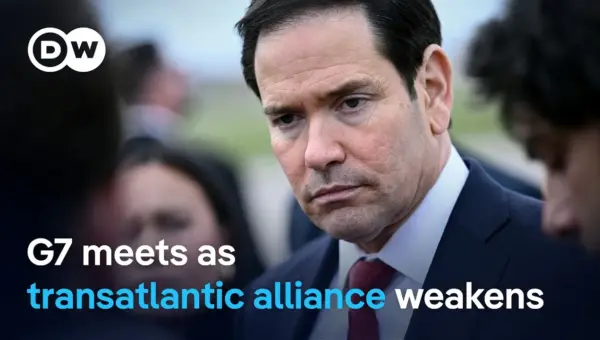
G7 Allies Clash Over Iran War Strategy, Urge Focus on Russia
G7 foreign ministers met in Paris, revealing deep divisions over the U.S. war with Iran. European allies urged the U.S. to pressure Russia, linking its actions to the conflict and fearing support for Ukraine will wane.


US Must Block China’s Tech Access for Security
US national security experts are raising alarms about China's access to advanced AI chips, arguing it threatens strategic advantages. This, coupled with charges against Chinese entities for fentanyl precursor sales and a ban on foreign routers, signals a growing effort to prioritize security over business ties.

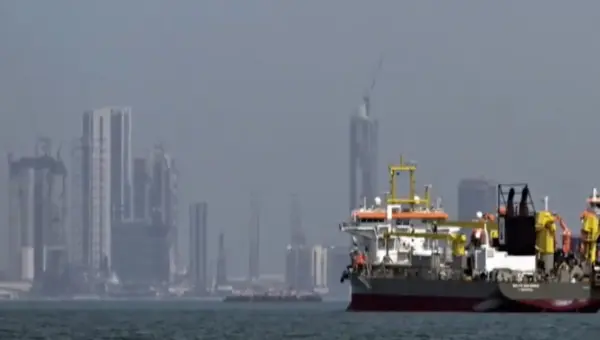
Iran Blocks China Ships, Exposing Beijing’s Weak Grip
Iran's recent decision to block Chinese ships at the Strait of Hormuz is exposing the limits of Beijing's influence in the Middle East. This action is causing delays and cancellations for Chinese manufacturers, turning a perceived geopolitical win into an economic strain.