Trump’s Apathy Exposed: Apathy Fuels Endless War
An analysis of Donald Trump's response to the deaths of U.S. service members in the recent conflict with Iran reveals a disturbing pattern of apathy. His public statements and demeanor during a dignified transfer ceremony have drawn sharp criticism, raising questions about his commitment to the sacrifices made by American troops.

Trump’s Apathy Exposed: Apathy Fuels Endless War
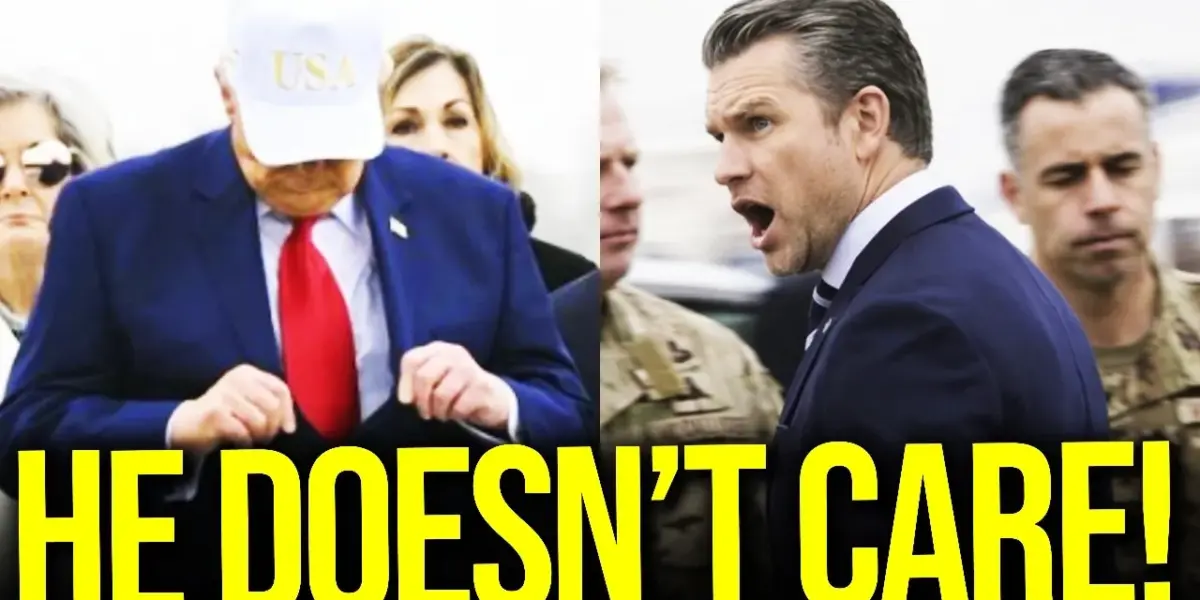
The recent dignified transfer of six U.S. service members, fallen in the opening salvos of a conflict initiated by Donald Trump and Israeli Prime Minister Netanyahu, has cast a stark spotlight on a disturbing pattern of detachment from the human cost of war. While Donald Trump, alongside figures like Maga Pete Buttigieg, J.D. Vance, and Melania Trump, attended the solemn ceremony, the former president’s demeanor and subsequent public statements have ignited widespread criticism, painting a picture of profound apathy towards the sacrifices made by American troops.
A Calculated Engagement or Unnecessary Escalation?
The conflict, characterized as “needless” and “unnecessary” by critics, raises fundamental questions about the decision-making process that led to the loss of life. The argument presented is that this escalation was predictable and avoidable, yet Donald Trump was drawn into what is being described as another “forever war.” This narrative is further complicated by Trump’s public pronouncements, which critics argue serve to obfuscate the reality of the situation, including the tragic deaths of 175 school children – a figure highlighted by the source – and the alleged nuclear capacity of Iran, used as a justification for further military action.
The Spectacle of Indifference
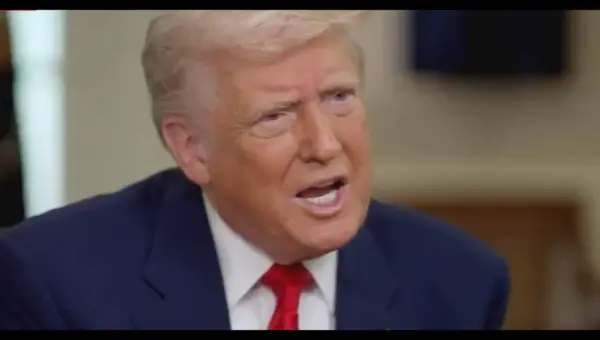
During the dignified transfer itself, Donald Trump’s comportment has been a focal point of controversy. Described as wearing a baseball cap and exhibiting a lack of solemnity, his actions have been contrasted with those of other attendees, such as Susie Wilds and Melania Trump, who are perceived as maintaining greater composure and respect. This visual disparity has led to accusations that Trump is “apathetic” and eager to move on to other issues, such as Cuba, viewing the gravity of the situation as a mere “game.”
The starkness of this perceived indifference is amplified when juxtaposed with past Republican criticisms of Joe Biden’s actions during similar ceremonies, specifically his checking of his watch. This historical context underscores the perceived hypocrisy, with critics arguing that the same individuals who emphasized the importance of optics and respect for fallen soldiers are now overlooking similar transgressions by Donald Trump.
Statements Underscoring Apathy
Further evidence of this alleged apathy is drawn from Trump’s responses to pressing questions about the war’s impact. When asked about rising gas prices due to the Iran operation, his response was a dismissive, “If they rise, they rise.” Similarly, when questioned about the potential for retaliatory attacks on American soil or the safety of loved ones, his response was a lukewarm, “I guess.” This flippant attitude, encapsulated by the phrase “some people die. When you go to war, some people die. It happens,” has been interpreted as a chilling display of detachment.
“This dude does not care what is happening right now. He wants to move on to the next shiny object. He’s been talking about Cuba. He wants to move on to the next game in his mind when this is not a game. He is starting wars and he is causing internal chaos among other countries hurting the citizenry.”
Disputed Narratives on Civilian Casualties
A particularly contentious point is the assertion regarding the bombing of a school and the deaths of 175 children. While a reporter directly asked if the U.S. was responsible, Donald Trump denied it, attributing the incident to Iran. Pete Buttigieg, in his role, stated they were “investigating.” However, the transcript suggests that internal U.S. military intelligence, evidenced by a map shown during a press conference, indicates U.S. missiles were involved in strikes near the Manab school. This discrepancy fuels accusations that Trump is actively lying to the public, while Buttigieg’s response is seen as a more measured, albeit still unconfirmed, approach.
The Shadow of Russian Involvement and Sanctions
The analysis also delves into a concerning allegation regarding Russia’s potential involvement in providing intelligence to Iran. The transcript posits that by lifting sanctions on Russian oil, enabling countries like India to purchase it, Russia gains funds that can be used to acquire intelligence on U.S. troops and share it with Iran. This complex geopolitical entanglement raises alarms about inadvertently funding adversaries and making U.S. service members more vulnerable. Donald Trump’s response to questions about this, characterized by phrases like “It is what it is” and “They can give all the information that they want, but the people they’re sending it to are overwhelmed,” is presented as further evidence of his dismissive attitude towards potential threats to American lives.
Historical Context and the Nature of War
The piece draws a critical distinction between the unavoidable tragedies of war and “unforced errors.” The argument is that the current conflict, and the resulting U.S. service member casualties, are not simply an inevitable outcome of warfare but a consequence of deliberate choices. Donald Trump’s framing of deaths as an inherent “part of war” is challenged, with the assertion that these are avoidable consequences stemming from decisions that predictably increased risk. This perspective frames the deaths not as a tragic necessity but as a preventable outcome of leadership choices.
Escalation and Economic Impact
The ongoing nature of the conflict is highlighted by the report of an oil refinery in Tehran being hit, leading to significant smoke plumes. This event signifies a continued escalation, with potentially severe economic repercussions for Iran. The visual imagery of the destruction serves as a stark reminder of the tangible consequences of the conflict.
Why This Matters
The core of this analysis lies in the profound implications of perceived apathy from a national leader during times of conflict and loss. It questions the ethical standards expected of those in power, particularly concerning the well-being of military personnel and the gravity of initiating warfare. The piece suggests that a leader’s detachment can normalize conflict, minimize the value of human life, and erode public trust. It posits that such an attitude not only fails to honor the sacrifices of service members but also risks prolonging conflicts and exacerbating suffering, both domestically and internationally.
Trends and Future Outlook
The trend identified is a growing concern over the rhetoric and actions of political figures in relation to military engagements. The analysis suggests a public increasingly scrutinizing the emotional and ethical responses of leaders to acts of war and its consequences. The future outlook hinges on whether leaders will demonstrate greater empathy, accountability, and strategic foresight in their foreign policy decisions, or if a pattern of detachment and politically motivated justifications will continue to dominate the discourse surrounding conflict.
Source: Watch Trump Ignore Dying US Troops (YouTube)

Related Articles
Michigan Rebels: Trump’s Policies Fuel Backlash
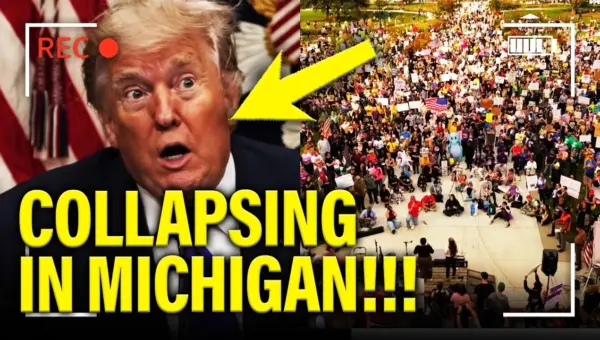
A deep dive into the growing backlash against Donald Trump's policies in Michigan, revealing how tariffs, rising costs, and a perceived lack of accountability are fueling discontent and potentially reshaping the state's political landscape.
Republican Dissent Signals Deep Trouble for Trump on Epstein Files
Republican dissent is growing over the handling of the Jeffrey Epstein files, with lawmakers admitting to being misled. This internal criticism signals significant trouble for Donald Trump, suggesting a deliberate cover-up rather than a commitment to transparency.

Iran War Fuels Public Dissent Amidst Escalating US Military Footprint
As the U.S. expands its military footprint in the Middle East, public support for the war in Iran plummets to historic lows. This analysis delves into the complex metrics of success, the risks of maximalist strategy, and the uncertain path forward.