Trump’s “America First” War Rhetoric Unravels Under Scrutiny
Analysis of Donald Trump's "America First" rhetoric reveals a potential disconnect between campaign promises and the realities of foreign policy. The cost of military action is contrasted with domestic program cuts, questioning the true priorities of the agenda.


The Shifting Sands of “America First”
The familiar rallying cry of “America First” once promised a nation focused inward, prioritizing domestic needs over foreign entanglements. Yet, recent discussions, particularly those referencing Donald Trump’s approach to potential military conflicts, reveal a complex and perhaps contradictory application of this core tenet. A close examination of the rhetoric surrounding military action, juxtaposed with domestic policy decisions, suggests that the “America First” agenda may be more malleable than its proponents initially conveyed.
The Allure of a Swift Resolution
The idea of a decisive, short-term military engagement, often framed as “cutting the head off the snake and moving on,” holds a certain appeal. It suggests efficiency, a clear objective, and a swift return to domestic priorities. This perspective implies a president committed to his word, eager to resolve threats decisively and avoid prolonged conflict. The argument posits that such an approach aligns with the commander-in-chief’s fundamental duty to protect America.
Echoes of the Past: The Iraq War Analogy
However, historical parallels cast a long shadow over such optimistic projections. The analogy to the Iraq War is particularly potent. The initial promises of a swift and successful campaign were met with a protracted and costly conflict, both in terms of human lives and financial resources. The transcript highlights a stark reality: just two days of military action in a hypothetical scenario could cost $5.6 billion in munitions alone. This figure raises immediate questions about the financial sustainability of even a “quick” war, especially when contrasted with domestic spending priorities.
The “America First” Paradox: Foreign Wars vs. Domestic Needs
This is where the perceived paradox of “America First” truly comes into focus. The narrative presented suggests a president who, while campaigning on a platform of prioritizing American citizens, has overseen policies that cut essential domestic programs like healthcare and food assistance. Simultaneously, the cost of foreign interventions seems to remain a readily available expenditure. This apparent contradiction—plenty of funds for overseas military action while domestic needs are curtailed—stands in stark contrast to the Trump of the campaign trail, who championed a singular focus on the American populace.
Challenging the Campaign Narrative
The core of the critique lies in the perceived deviation from the campaign promises. The image of a leader dedicated to “America First” is difficult to reconcile with a foreign policy that appears to involve significant military spending while domestic safety nets are weakened. This disconnect raises questions about the true beneficiaries and priorities of such policies. Is the focus truly on America, or on specific aspects of American power projection that may not directly translate to the well-being of the average citizen?
Why This Matters
The implications of this discussion extend far beyond a single political figure or administration. It touches upon the fundamental tension between national security imperatives and domestic welfare. The “America First” doctrine, in its various interpretations, forces a crucial debate: how should a nation balance its global responsibilities and security interests with the needs of its own citizens? When military expenditures soar while social programs are cut, it erodes public trust and raises legitimate concerns about fiscal priorities and the definition of national interest itself.
Implications, Trends, and Future Outlook
This analysis points to a broader trend in political discourse: the strategic use and potential manipulation of nationalistic slogans. “America First” has proven to be a powerful rhetorical tool, capable of mobilizing a significant base. However, its practical application in foreign policy and economic decision-making remains a subject of intense scrutiny. The future outlook suggests that voters will continue to demand greater clarity and consistency between campaign promises and governing actions. The economic realities of prolonged military engagements, coupled with the persistent needs of domestic populations, will likely continue to fuel this debate. We may see a growing demand for transparency in defense spending and a more rigorous examination of the true costs and benefits of foreign interventions, measured not just in geopolitical terms, but in tangible improvements to the lives of American citizens.
Historical Context
The concept of “America First” is not new. It has historical roots stretching back to isolationist movements in the interwar period, advocating for non-intervention in global conflicts. While Donald Trump revitalized the slogan, infusing it with a populist and nationalist fervor, the underlying tension between international engagement and domestic focus is a recurring theme in American political history. Each era has grappled with defining America’s role in the world and the extent to which its resources should be allocated abroad versus at home. The current debate is a contemporary iteration of this age-old question, framed by new geopolitical realities and economic pressures.
The Commander-in-Chief’s Duty
Ultimately, the role of the commander-in-chief is to protect America. The critical question is how best to achieve that protection. Is it through decisive, potentially costly, military action abroad, or through robust investment in the domestic well-being and security of its citizens? The transcript implicitly argues that the latter should not be sacrificed for the former, especially when the rhetoric of “America First” suggests a different set of priorities. The challenge for any administration is to demonstrate a clear and consistent strategy that genuinely serves the interests of the nation as a whole, both at home and abroad.
Source: Brian Tyler Cohen exposes Trump's con ON RIGHTWING SHOW (YouTube)

Related Articles


Trump’s Iran War Called ‘Self-Inflicted Wound’ Amid Economic Woes
The escalating conflict in Iran is sending shockwaves through global oil markets, with prices surging and the U.S. administration facing scrutiny over its strategy and economic impact. Despite military actions and a historic release of oil reserves, concerns linger about the war's duration and its effect on consumers.

Trump’s “Stupid Attacks” Alienate Canada, Cripple US Options
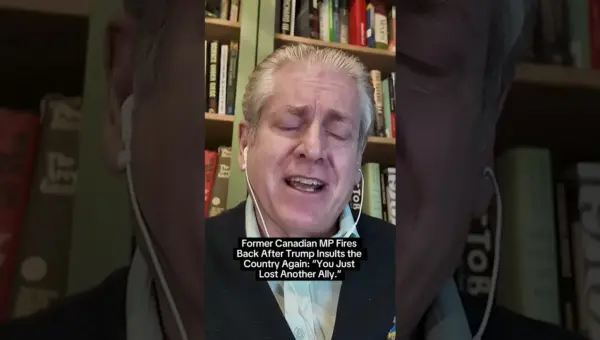
Former Canadian MP Brent Rathgeber criticizes Donald Trump's persistent attacks on Canada, arguing they have alienated a crucial ally and weakened U.S. strategic options during a global crisis. The rhetoric is likened to Putin's pre-invasion tactics, highlighting a concerning trend of nationalist posturing undermining international cooperation.

Trump’s Iran Stance Divides MAGA Media, Fuels Voter Dissent
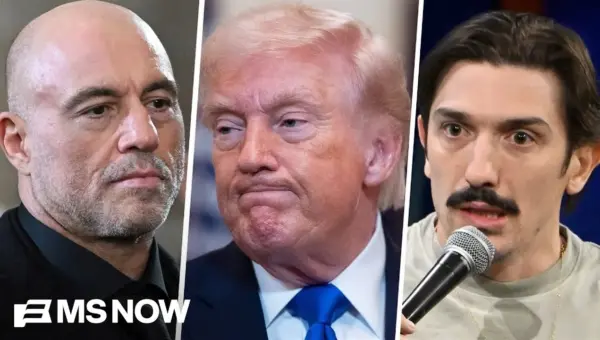
Prominent MAGA media figures and voters are expressing feelings of betrayal over former President Trump's stance on Iran, arguing it contradicts his anti-war promises. This division, fueled by economic anxieties and perceived policy shifts, could impact future elections.