Trump’s ‘America First’ Iran Policy Echoes Past Mistakes
A critical analysis of Donald Trump's 'America First' foreign policy, particularly regarding Iran, suggests a repetition of past mistakes that may have undermined U.S. interests. The discussion on MS NOW highlighted concerns about the policy's effectiveness and its impact on international relations.

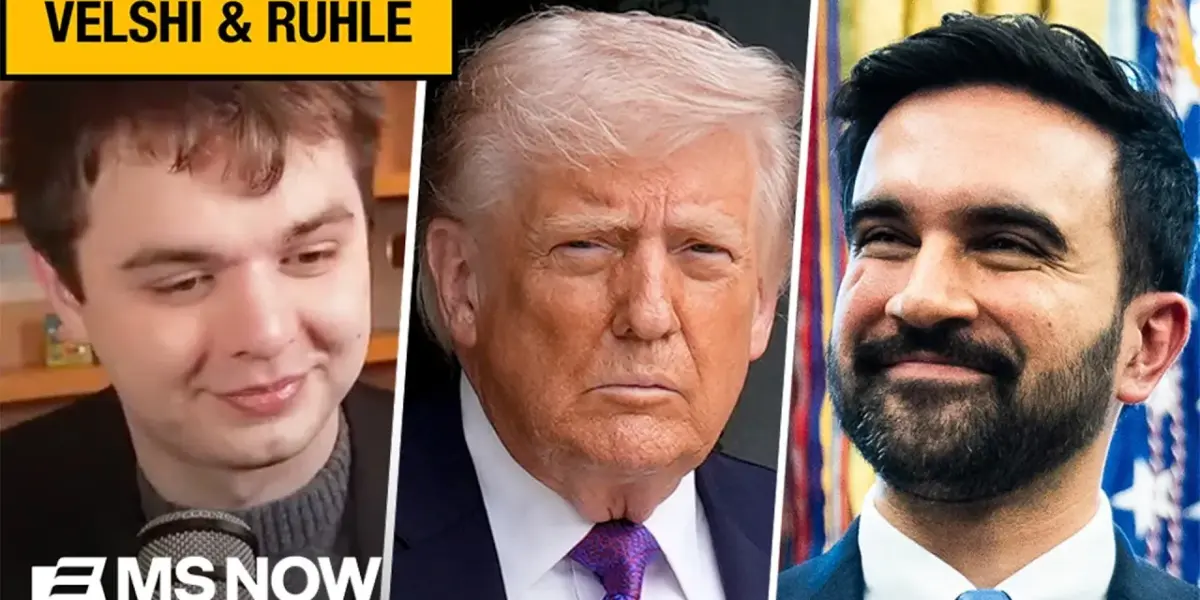
Trump’s ‘America First’ Iran Policy Echoes Past Mistakes
In a recent discussion on MS NOW, journalist Ali Velshi and his colleagues critically examined former President Donald Trump’s ‘America First’ foreign policy, particularly its application to Iran. The conversation, which also featured insights from political strategist Adam Mockler, suggested that Trump’s approach to Iran repeated historical errors, potentially undermining U.S. interests and alienating allies. The core of the critique centered on the perceived incoherence and self-defeating nature of Trump’s strategy, which, despite its ‘America First’ rhetoric, may have inadvertently weakened America’s global standing.
Challenging the ‘America First’ Doctrine in Practice
The discussion highlighted a fundamental tension between Trump’s stated goals and the outcomes of his policies. While ‘America First’ was promoted as a means to prioritize national interests, the analysis presented indicated that the execution of this doctrine, especially concerning Iran, led to unintended consequences. Velshi and his guests argued that Trump’s unilateral approach, characterized by withdrawing from international agreements and imposing stringent sanctions, failed to achieve its stated objectives of curbing Iran’s influence or improving regional stability. Instead, these actions appeared to isolate the U.S. and empower adversaries.
“What we saw with Trump’s approach to Iran was a repetition of mistakes,” one of the points raised during the discussion, suggesting a cyclical pattern of foreign policy missteps that failed to learn from historical precedents.
The Complexities of Trump’s Iran Strategy
The conversation delved into the specifics of Trump’s Iran policy, which included withdrawing the U.S. from the Joint Comprehensive Plan of Action (JCPOA), commonly known as the Iran nuclear deal. This move was met with widespread international condemnation and skepticism from U.S. allies who had supported the deal. The subsequent imposition of maximum pressure sanctions aimed to cripple Iran’s economy and force it back to the negotiating table. However, the effectiveness of these sanctions in achieving Trump’s broader foreign policy goals was questioned, with evidence suggesting they may have hardened Iranian resolve and pushed the country closer to developing nuclear capabilities.
Adam Mockler’s contribution to the discussion provided a valuable perspective on voter sentiment and the broader political landscape. His insights, gained from speaking with individuals across the political spectrum, likely shed light on how Trump’s foreign policy decisions resonated with the American public and how they were perceived by those who supported or opposed the ‘America First’ agenda. The ability of Trump and his allies to articulate a successful narrative around these policies, even in the face of criticism, was implicitly acknowledged as a factor in their political appeal.
Echoes of Past Foreign Policy Blunders
The critique that Trump’s Iran policy ‘repeats mistakes’ points to a broader concern within foreign policy circles: the tendency for administrations to overlook lessons learned from previous endeavors. Historically, attempts to isolate nations through economic sanctions have yielded mixed results, often leading to humanitarian crises without necessarily achieving the desired political outcomes. The discussion implied that Trump’s administration failed to adequately consider these historical parallels, opting instead for a more confrontational and less diplomatic path.
The article also touched upon the idea of ‘success’ within the Trump administration’s foreign policy initiatives. While the transcript is brief, the mention of ‘Trump & Mamdani’s success’ suggests there might be specific policy areas or diplomatic achievements that the proponents of ‘America First’ would highlight as victories. However, in the context of the critical discussion about Iran, any such perceived successes were framed against the backdrop of the administration’s broader foreign policy challenges and criticisms.
Broader Implications for U.S. Foreign Relations
The implications of Trump’s ‘America First’ approach extend beyond the specific case of Iran. The policy signaled a departure from traditional U.S. engagement with international institutions and alliances, leading to concerns about the erosion of American leadership and the rise of a more fragmented global order. Allies questioned the reliability of the U.S. as a partner, and adversaries saw opportunities to advance their interests in a less constrained international environment. The discussion on MS NOW underscored the view that such a unilateralist approach, while appealing to a certain domestic base, could ultimately prove detrimental to U.S. national security and economic interests in the long run.
Looking Ahead: The Future of U.S. Policy Towards Iran
The conversation serves as a critical retrospective on a significant period of U.S. foreign policy. As the geopolitical landscape continues to evolve, the lessons learned from Trump’s ‘America First’ era, particularly concerning Iran, remain pertinent. Future administrations will likely grapple with the legacy of these policies, seeking to recalibrate U.S. engagement with Iran and the broader Middle East. The effectiveness of diplomacy, the role of international cooperation, and the balance between pressure and engagement will continue to be central questions in shaping U.S. foreign policy in the region.
Source: 'America First' HIJACK | Trump's war with Iran 'repeats mistakes' | Trump & Mamdani's success (YouTube)

Related Articles
Trump’s War in Iran: Missteps, Casualties, and Bizarre Distractions
Twelve days into the conflict with Iran, the war initiated by Donald Trump and Benjamin Netanyahu is marked by significant civilian casualties, a lack of clear strategy, and controversial responses to military missteps. Reports indicate a U.S. missile strike on an Iranian school, initially blamed on Iran by Trump, has been attributed to a targeting error by the Department of Defense. Meanwhile, the administration faces criticism for its handling of Iranian retaliation and the war's low public approval ratings.

Trump Campaign Shifts Immigration Stance, Eyes Criminals Over Mass Deportations
The Trump administration is reportedly advising House Republicans to shift their immigration focus from "mass deportations" to prioritizing the removal of violent criminals. This strategic pivot aims to broaden appeal ahead of the midterm elections, acknowledging past enforcement methods were viewed as overzealous. The move has sparked debate within the GOP, with some accusing the White House of softening its stance.
Trump’s ‘I Don’t Know’ Plea Masks Escalating Mideast Crisis
Donald Trump's "I don't know" response to allegations of a U.S. strike on an Iranian school highlights a concerning lack of accountability and transparency in the escalating Middle East conflict. The analysis questions leadership competence amidst contradictory terminology and rising economic impacts.