Trump’s Alone Act: Allies Shun Him, Iran Threat Escalates
President Trump's confusing statements on allies and Iran reveal a struggle with isolation. His erratic behavior, compared to a difficult breakup, raises concerns about his decision-making and its global implications. Allies are distancing themselves, citing past grievances, while threats against Iran escalate.

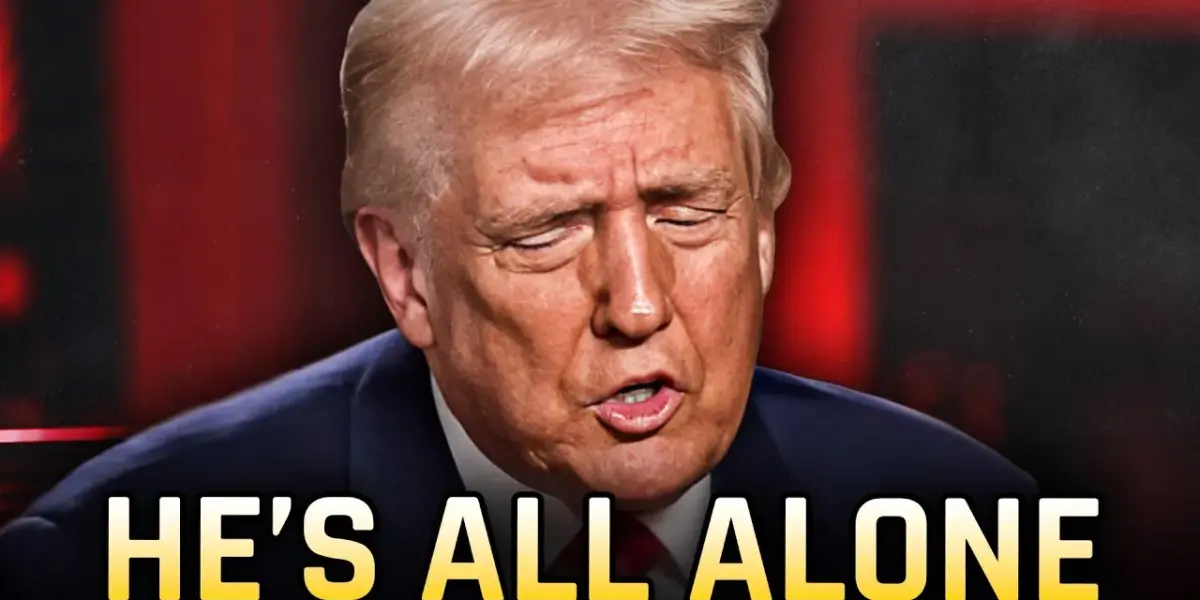
Trump’s Shifting Stance on Allies and Iran Stuns Observers
President Donald Trump appears to be grappling with a profound realization: he is increasingly isolated, and this isolation is deeply unsettling to him. His recent public statements reveal a confusing mix of defiance and desperate need, particularly concerning international allies and the situation with Iran. One day, he declares the United States needs no help to reopen the Strait of Hormuz, a vital shipping lane. The next, he threatens to completely destroy Iran, then wonders aloud if allies will step in. This indecisiveness suggests a leader struggling with newfound consequences.
A Teenager’s Breakup? Trump’s Erratic Diplomacy
Trump’s approach to foreign policy, especially regarding allies and Iran, has been compared to a teenager experiencing a difficult breakup. He oscillates between asserting independence and expressing a longing for connection. “I’m glad we’re broken up. I hated you to begin with. I’m so sorry, baby. Please take me back. I miss you. I can’t go on without you,” one analysis captures the apparent sentiment. This behavior stems from a lifetime where wealth and political power shielded him from accountability. Now, at 79, he faces genuine repercussions for his actions, a situation he seems ill-equipped to handle.
Allies Turn Away, Citing Trump’s Past Actions
For years, the United States relied on a network of allies, and these nations had historically supported America. However, many of these same countries have now distanced themselves from the U.S. This shift is not random; it’s a direct response to Trump’s rhetoric and policies over the past 14 months. His administration’s actions and words have damaged long-standing relationships, leading allies to feel justified in their withdrawal of support.
Social Media Rant: A Threat to Iran and Allies
On Wednesday morning, Trump posted a provocative message on social media. He questioned what would happen if the U.S. “finished off what’s left of the Iranian terror state.” He suggested that by doing so, countries that rely on Iranian oil, including those he calls “nonresponsive allies,” would be forced to act. This statement implies a belief that the U.S. is currently suffering from high gas prices because the Strait of Hormuz is not fully open. Trump’s proposal seems less about strategic necessity and more about punishing uncooperative allies.
It’s like he’s threatening to destroy an entire country just to make his ex-partners jealous, simply because they won’t help him out of the mess he created. He’s essentially saying, “If I wipe Iran off the map, will you then come crawling back to me?”
Concerns Over Mental Stability and Global Risk
The analysis goes further, expressing deep concern about Trump’s mental state. The author suggests that his actions indicate severe psychological distress, making it difficult for him to function effectively. This is not presented as mere political criticism but as a clear observation of troubling behavior. The implication is that the public, Iran, and the world are suffering the consequences of these perceived mental health issues. The most alarming possibility raised is that an entire nation could face destruction simply because the President of the United States is acting erratically.
Why This Matters
This situation highlights the critical importance of stable and predictable foreign policy. When a leader’s actions are driven by personal emotions and a lack of understanding of international relations, the risks to global peace and security increase dramatically. The erosion of trust with allies weakens collective security efforts, leaving nations more vulnerable to conflict. Furthermore, the potential for impulsive, aggressive actions based on personal grievances poses an existential threat, especially when nuclear capabilities are involved.
Historical Context
Throughout history, international relations have often been complex, requiring careful diplomacy and mutual respect. Alliances are built on shared interests and trust, developed over long periods. The post-World War II era saw the formation of strong alliances like NATO, which have been cornerstones of global stability. However, leaders who disregard these established norms and relationships risk unraveling the very fabric of international cooperation. Trump’s approach represents a significant departure from traditional diplomatic practices, prioritizing transactional relationships and personal loyalty over long-term strategic partnerships.
Implications and Future Outlook
The current trajectory suggests a continued period of uncertainty in U.S. foreign relations. If Trump’s administration persists in alienating allies and resorting to aggressive rhetoric, the U.S. may find itself increasingly isolated on the global stage. This isolation could lead to diminished influence, economic disadvantages, and a greater likelihood of regional conflicts. The future outlook depends heavily on whether diplomatic norms can be restored and whether trust can be rebuilt with key international partners. A return to more traditional diplomacy would be essential for navigating complex global challenges and ensuring a more secure and stable world.
Source: Trump Realizes He's All Alone And It's Killing Him (YouTube)

Related Articles

Iran Targets US With Cyberattacks, Escalating Digital Warfare
Iran is increasingly using cyberattacks to challenge the U.S., as seen in a recent hack of the FBI director's account. Experts say this is a strategic shift due to Iran's limitations in conventional warfare. The U.S. needs to strengthen its digital defenses, focusing on encryption and cloud computing, rather than solely relying on traditional security measures.

Iran Hacks FBI Chief, Exposing U.S. Cyber Vulnerabilities
A recent hack of FBI Director Kash Patel's personal email by an Iran-linked group highlights Iran's growing cyber threat to the U.S. Experts explain how simple security oversights are exploited, emphasizing the need for basic defenses like two-factor authentication to protect against propaganda and potential infrastructure attacks.

Protesters Challenge Presidential Power, Ignite Debate
Millions are protesting nationwide under the "No Kings" banner, challenging presidential authority and policies they deem unconstitutional. Organizers emphasize First Amendment rights while debating foreign policy, immigration, and the balance of power.