Trump’s Ally Attacks Signal Iran Crisis Isolation
Donald Trump's public attacks on allies amid the Iran crisis reveal a deep contradiction in his foreign policy. While signaling a need for support, he simultaneously claims independence, undermining international cooperation and global stability.


Trump’s Ally Attacks Signal Iran Crisis Isolation
In a critical moment concerning Iran and the Strait of Hormuz, Donald Trump finds himself isolated, with European allies and other international partners unwilling to step in and help manage the situation he has created. This lack of support has clearly frustrated the former president, who has resorted to public criticism of these same allies on social media. This pattern of attacking allies is not new; it has been a consistent feature of his approach throughout his presidency and even before the recent escalation with Iran.
A Plea for Help, Masked as Independence
Trump’s recent statements highlight this dynamic. He posted online, “We will protect them, but they will do nothing for us in particular at a time of need.” He continued, “Because of the fact that we have had such military success, we no longer need or desire the NATO country’s assistance. We never did. We do not need the help of anyone.” These words, shouted in all caps, reveal a deep insecurity and a contradictory stance.
The obvious contradiction lies in the immediate juxtaposition of needing protection from allies while simultaneously declaring no need for their help. It sounds like someone who is upset about not getting the assistance they actually want. The public can easily see the inconsistency: first, implying a need for support, then immediately denying ever needing it. This internal conflict in his messaging makes his position appear unstable and poorly thought out.
The statements “We need you” and “We don’t need you and we never did” are not just different; they are opposing. They cannot logically exist together in the same argument. This kind of self-contradiction can make a leader’s actions and intentions unclear to both allies and adversaries. It raises questions about the reliability of his foreign policy pronouncements and his ability to forge stable international relationships when it matters most.
The public can easily see the inconsistency: first, implying a need for support, then immediately denying ever needing it. This internal conflict in his messaging makes his position appear unstable and poorly thought out.
Why This Matters
The situation in the Strait of Hormuz is incredibly important for global trade and stability. This narrow waterway is crucial for oil shipments. Any disruption there can cause major problems for the world economy, leading to higher gas prices and supply shortages. When a nation’s leader publicly alienates potential allies during such a tense period, it weakens the collective ability to de-escalate conflict. Instead of a united front, there is division and mistrust.
This approach also affects the credibility of international alliances like NATO. NATO was formed to provide collective security. If a key member, especially the United States, signals it doesn’t need or want the help of its allies, it undermines the very purpose of the alliance. This can encourage other countries to question their commitments and alliances, leading to a less secure and more unpredictable world.
Historical Context and Future Outlook
Historically, the United States has often led international efforts to ensure stability in critical regions like the Middle East. This has involved working closely with allies, sharing intelligence, and coordinating actions. Trump’s “America First” policy, however, often prioritized unilateral action and bilateral deals over multilateral cooperation. This recent episode in the context of Iran mirrors that broader pattern of straining relationships with traditional partners.
The future outlook is concerning if this pattern continues. A leader who alienates allies during a crisis makes it harder to find diplomatic solutions. It can also embolden adversaries who might see disunity among nations as an opportunity. The ability to effectively respond to international challenges depends on strong, reliable partnerships. When those partnerships are damaged by public disputes and contradictory statements, the world becomes a more dangerous place for everyone.
Source: Trump is a MAJOR SCREW UP (YouTube)

Related Articles

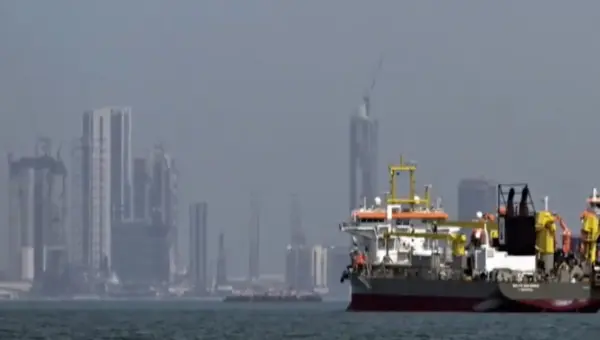
Iran Blocks China Ships, Exposing Beijing’s Weak Grip
Iran's recent decision to block Chinese ships at the Strait of Hormuz is exposing the limits of Beijing's influence in the Middle East. This action is causing delays and cancellations for Chinese manufacturers, turning a perceived geopolitical win into an economic strain.
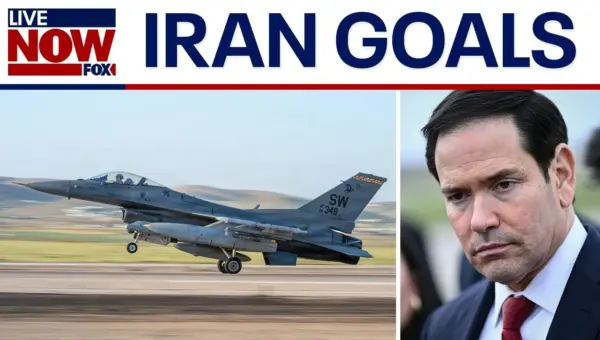
Rubio: US Can Achieve Iran War Goals Without Troops
Senator Marco Rubio outlined a strategy to counter Iran without deploying U.S. ground troops, focusing on weakening the regime and enhancing maritime security. He also criticized Cuba's economic system and expressed concerns about West Bank violence.
Trump’s “Walk Away” Tactic Signals Tougher Stance on China
Retired Air Force Brigadier General David Stillwell believes President Trump's strategy of being willing to walk away from negotiations puts pressure on China. This tactic, combined with US global actions and strengthened alliances, signals a more assertive American foreign policy.