Trump’s Allies Reject Mideast War Demands, Seek Distance
President Trump's allies are distancing themselves from a Middle East conflict, with Spain and Italy denying U.S. warplanes access. Trump is urging allies to act independently, while his administration's shifting war aims and contradictory policies fuel distrust.

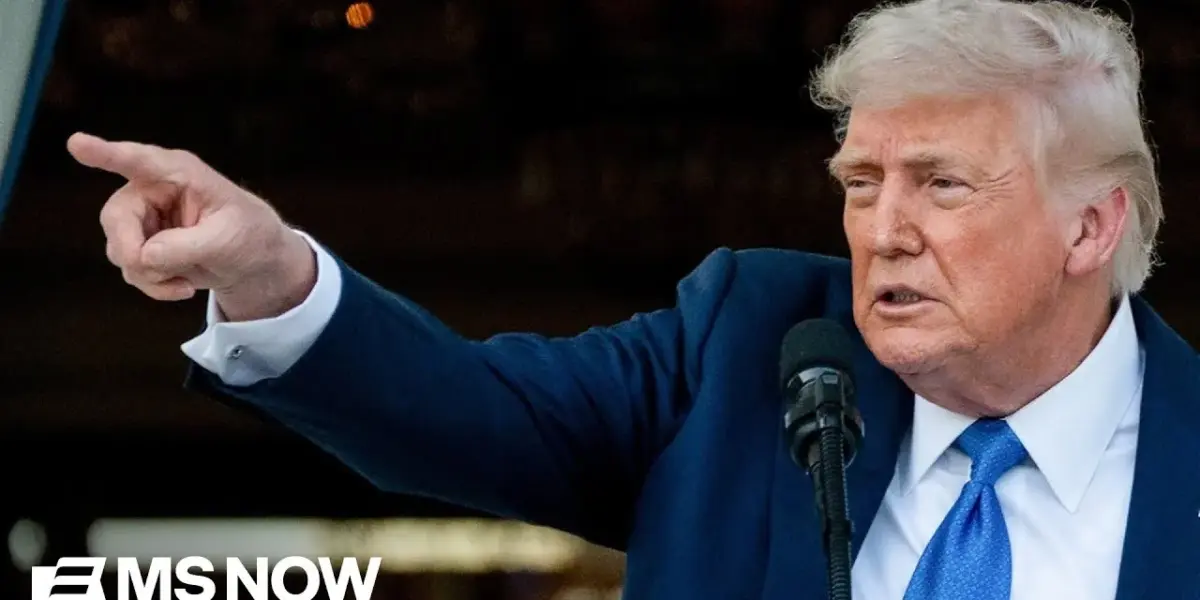
Allies Shun U.S. War Effort Amid Shifting Objectives
President Donald Trump’s administration is facing significant pushback from key international allies as it seeks support for a Middle East conflict, with nations like Spain and Italy outright denying landing and airspace rights to U.S. warplanes involved in the operations. This rejection comes as President Trump himself appears to disavow direct U.S. responsibility for resolving the crisis, instead calling on allies to act independently.
Trump Demands Allies Lead, Offers Little Support
In a surprising turn, President Trump has publicly urged allies, including the United Kingdom, to take the lead in reopening the Strait of Hormuz, a critical global shipping lane. “Build up some delayed courage, go straight to the go to the straight and just take it,” Trump reportedly told the U.K. Secretary of Defense echoed this sentiment, questioning the Royal Navy’s readiness to handle such a task without U.S. assistance. Later, the administration extended this expectation to other allies, including France, suggesting they should manage regional security challenges independently.
Allies Refuse, Citing Distrust and Shifting Goals
The requests have been met with firm rejections. Spain recently closed its airspace to U.S. planes engaged in the conflict, and Italy denied landing rights for U.S. warplanes at its airbase in Sicily. These actions highlight a growing distrust among allies, fueled by President Trump’s approach to foreign policy and what experts describe as a lack of clear, consistent objectives for the conflict. Former U.S. Ambassador to Russia, Michael McFaul, called the situation a “tragic moment in American history,” noting that Trump’s past disrespect for allies, including threats and irrational tariffs, has eroded decades of built trust. He emphasized that the U.S. needs its allies to effectively deal with global challenges like Russia, China, Iran, and North Korea.
Contradictory Policies and Shifting War Aims
Adding to the confusion, the administration’s actions appear contradictory. Despite imposing an embargo on fuel shipments to Cuba, a Russian oil tanker was recently allowed to dock there, a move that critics argue gives Russia special permission to violate Trump’s own blockade while Russia actively assists Iran. Furthermore, the stated goals of the military operation seem to be in constant flux. President Trump has repeatedly implied the conflict is nearing an end, yet he continues to send more troops to the region. While the stated aim is to destroy Iran’s missile capabilities and prevent a nuclear weapon, reports suggest the State Department’s top arms control official has been reassigned to organize a summit about Antifa, a domestic group with no connection to ballistic missiles.
Experts Criticize Leadership, Warn of Long-Term Damage
Retired Lieutenant General Mark Hertling described the denial of base access by allies as “off the chart unusual,” emphasizing that trust with allies is built slowly over decades and can be quickly lost through insults and unilateral actions. He expressed concern that damage done by the current administration will take a long time to repair, and that allies may be questioning the judgment of all Americans. McFaul added that the president’s shifting objectives, moving from regime change to nuclear programs, then terrorism, and the Strait of Hormuz, resemble a student trying to fill an essay without knowing the answer. He suggested that officials might be trying to narrow the objectives to allow the president to declare victory, even if the initial reasons for the conflict remain unclear.
Looking Ahead: A Nation Divided, Allies Distant
As the situation unfolds, the U.S. finds itself increasingly isolated, with its traditional allies hesitant to join a conflict whose purpose and direction remain ambiguous. The disconnect between the president’s actions and the long-standing U.S. foreign policy principles, as well as the opinions of the American public and its allies, raises serious questions about the future of international cooperation and U.S. standing on the global stage. The coming days will reveal whether President Trump can clarify his objectives and mend strained relationships, or if this conflict will further fracture alliances crucial for U.S. security.
Source: U.S. allies turn their backs on Trump as he tries to dump a broken Middle East on them (YouTube)

Related Articles

GOP Lawmaker Slams Dems’ ‘Word Games’ on Iran Threat
A GOP lawmaker criticizes Democrats for perceived hypocrisy on the Iran threat, accusing them of "word games" and downplaying danger while the White House provides financial aid. The congresswoman highlights past warnings about Iran's nuclear program and contrasts them with current Democratic stances.

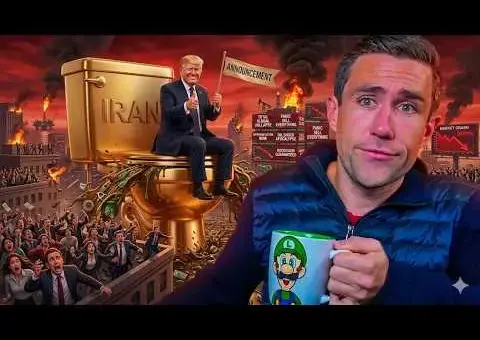
Trump’s Iran Announcement: Markets Brace for Impact
Former President Donald Trump is set to announce his strategy on Iran, leaving markets on edge. Analysts foresee potential escalation scenarios, with a 60% chance of increased regional tension impacting oil prices. A 'nothing burger' announcement is also possible, though less likely.

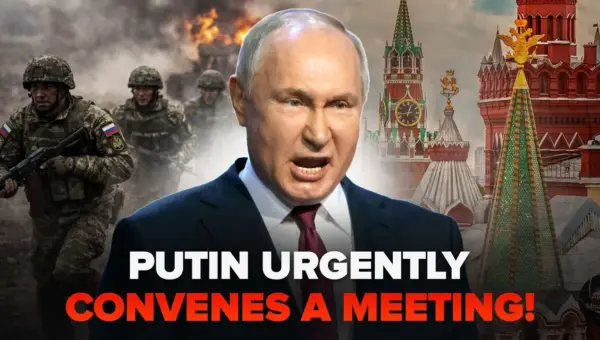
Europe Faces NATO Doubt as Trump Hints at Pullback
Former President Trump's suggestions of withdrawing NATO protection raise concerns for European security. This could weaken the alliance's deterrent power and alter global dynamics. Meanwhile, Europe is increasing its support for Ukraine as U.S. aid shifts.