Trump’s Allies Abandon Ship Amidst Iran Conflict
President Trump criticizes allies for not aiding in the Iran conflict, while strained relationships and military movements suggest a looming escalation. The situation highlights the fragility of international partnerships and the real-world impact of geopolitical tensions.

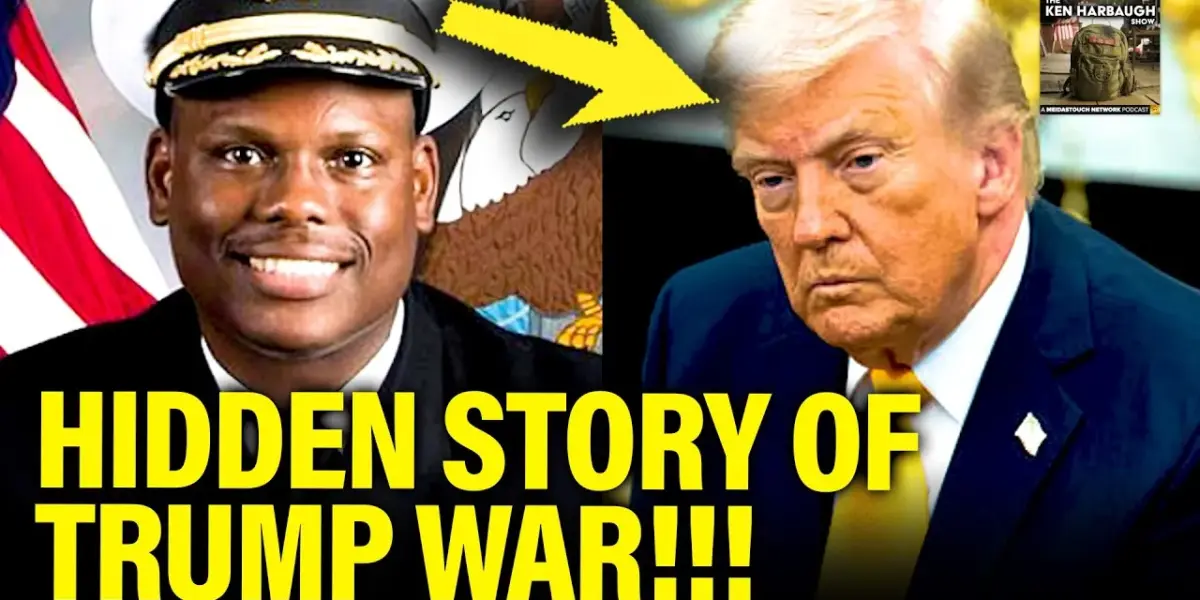
Trump’s Allies Abandon Ship Amidst Iran Conflict
President Trump recently took to Truth Social to voice frustration with allies, calling them out for not stepping up to help with attacks on oil and gas facilities in the Gulf region. He stated that without the U.S., NATO is a “paper tiger” and that allies are unwilling to help secure the Strait of Hormuz, a key shipping route. This situation has led many to question the loyalty and reliability of these international partnerships.
Questioning Loyalty in Troubled Times
The current global climate, marked by escalating tensions with Iran, brings to mind the 90s R&B hit “What About Your Friends?” by TLC. The song’s message about loyalty and the people we keep close seems to resonate with the current geopolitical situation. If you are an ally of the United States right now, you might be asking, “What about your friends?” This question echoes the sentiment of nations like the UK, NATO members, and Gulf State nations who are facing discomfort and uncertainty due to their association with the U.S.
Strained Relationships with Key Allies
The United States has historically maintained close ties with countries like the United Kingdom, Canada, and Japan. However, recent actions and rhetoric from the current administration have strained these relationships. President Trump has been accused of embarrassing key allies, from comments made about Canada to remarks questioning the capabilities of the UK’s navy. The strong bond forged with Japan after World War II, a remarkable achievement given their past conflict, is also seen as being jeopardized by brief, harsh words.
Gulf Nations Bear the Brunt
The conflict with Iran has also put Gulf state nations, such as the UAE, Qatar, and Saudi Arabia, in a difficult position. These countries host American bases, expecting protection in return for allowing U.S. military presence. However, they are now suffering the consequences of the conflict. The UAE, for example, has worked hard to diversify its economy away from oil, but the current situation, with the U.S. using the region for staging operations, is causing significant economic pain. Qatar, home to a major U.S. air base, is also facing repercussions and is reportedly seeking diplomatic solutions with Iran.
Focus on Movement, Material, and Money
Despite public statements, the reality on the ground suggests a potential escalation of conflict. President Trump’s ultimatum to Iran regarding the Strait of Hormuz and subsequent claims of ongoing talks have been met with denials from Iran. The rising oil prices are a major concern, and the inability of insurance companies to cover vessels in the Strait of Hormuz highlights the severity of the situation. Meanwhile, the movement of U.S. military assets, like the Marine Expeditionary Units heading to the Middle East, indicates a continued buildup of forces.
Rhetoric vs. Reality
The narrative being presented to the public often contrasts with the actions being taken. While some may seek peace, the continued talk of troop movements and potential targets, along with surrogates discussing military actions, suggests otherwise. The USS Gerald R. Ford aircraft carrier, after a fire, is undergoing repairs with the expectation of returning to the region quickly, not heading back to the U.S. This suggests that the U.S. is preparing for a prolonged engagement, regardless of the public statements made.
Material Shortages and Desperate Measures
Concerns about the availability of missile interceptors have also surfaced. Despite assurances that Iran’s missile capabilities are being diminished, missile strikes continue to hit targets, including in Israel. This raises questions about the true state of Iran’s arsenal and the effectiveness of current defenses. The United States appears to be in a position of desperation, trying to rally allies it has previously alienated. Even Bahrain is seeking help from the UN Security Council to clear shipping lanes, indicating that the U.S. cannot handle the situation alone.
Why This Matters
The current situation with Iran and the strained relationships with allies are critical for global stability and economic health. The reliance on oil and the security of vital shipping lanes like the Strait of Hormuz have far-reaching consequences. The apparent disconnect between public rhetoric and military actions raises concerns about transparency and the true intentions behind U.S. foreign policy. The willingness of allies to stand by the U.S. is being tested, and their decisions will shape the future of international cooperation.
Implications and Future Outlook
The implications of this standoff are significant. If tensions escalate, it could lead to a wider regional conflict with devastating humanitarian and economic consequences. The future of international alliances is also at stake. If allies continue to distance themselves from the U.S. due to perceived unreliability or aggressive foreign policy, it could lead to a more fragmented and unstable world order. The economic impact of disrupted oil supplies and increased military spending will also be substantial.
Historical Context
The relationship between the U.S. and Iran has a long and complex history, marked by periods of tension and cooperation. The current situation can be seen as a continuation of these dynamics, influenced by regional power struggles and global energy markets. The U.S. has historically played a significant role in the Middle East, and its actions in the region are closely watched by all parties involved. Understanding this historical context is crucial for interpreting the current events and their potential future outcomes.
Source: Navy Commander BREAKS SILENCE on MAJOR Iran War Story Being IGNORED (YouTube)

Related Articles

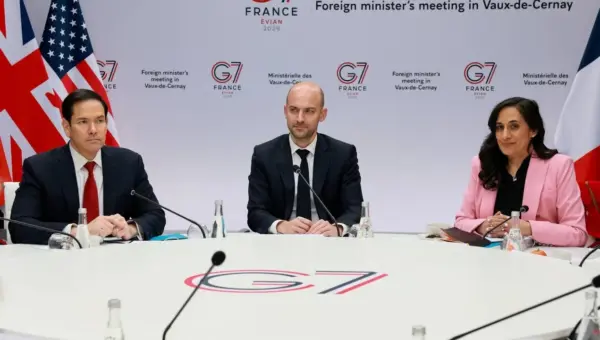
Rubio Puts US First at G7 Summit, Sparks Debate
Secretary of State Marco Rubio attended the G7 summit in France, emphasizing his commitment to serving the American people above all else. The meeting addressed the war in Iran and Russia's role, revealing differing approaches among allies on regional security and the Strait of Hormuz.


Tiger Woods Arrested for DUI After Crash
Golf legend Tiger Woods was arrested for DUI in Florida following a dramatic rollover crash. Meanwhile, a government shutdown continues as House Republicans block a Senate deal, leading to airport chaos and TSA worker pay issues. The stock market also plummeted into correction territory amid fears of a prolonged Iran conflict.

Trump’s Name Everywhere: A ‘Stain’ on GOP Legacy?
Former President Donald Trump's efforts to brand national symbols, including a proposed signature on dollar bills, spark debate. Critics view this as an authoritarian attempt to embed his legacy, potentially staining the Republican Party's history and contrasting with democratic ideals of public ownership.