Trump’s Alliances Crumble Amidst Escalating Middle East Conflict
As a conflict with Iran escalates, Donald Trump's rhetoric and actions are reportedly alienating allies, fracturing international cooperation. Global oil markets are disrupted, while diplomatic efforts falter amidst accusations of Russian and Chinese support for Iran. The world watches as alliances crumble and a wider conflagration looms.

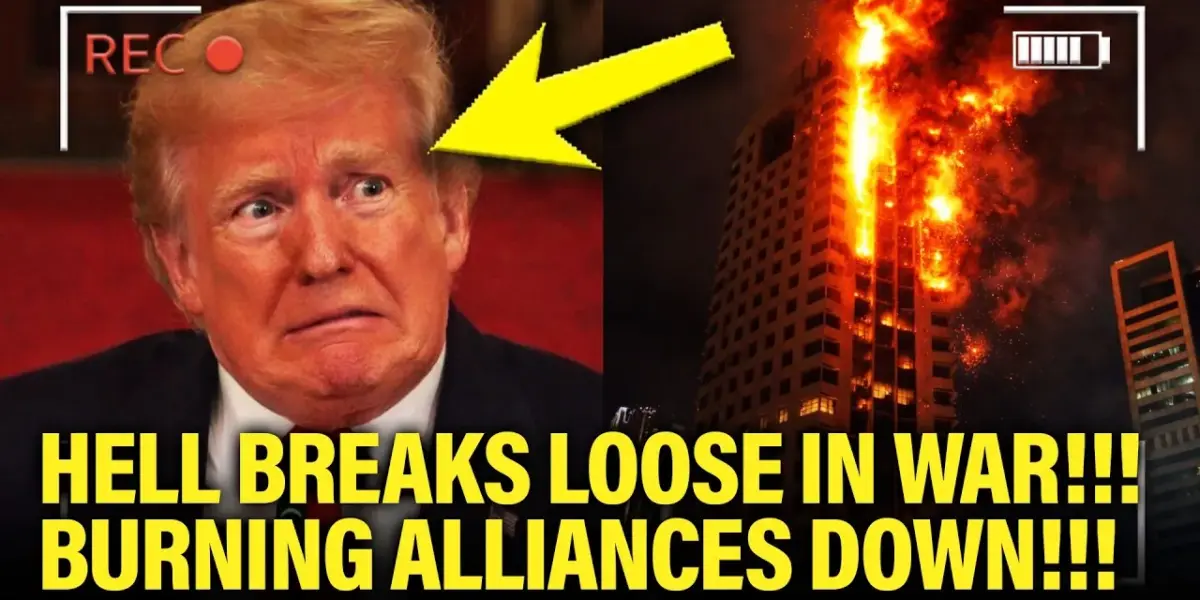
Trump’s Alliances Crumble Amidst Escalating Middle East Conflict
The geopolitical landscape is in turmoil as a conflict, ostensibly initiated by Donald Trump’s actions concerning Iran, appears to have spiraled into a wider regional conflagration. The ripple effects are being felt globally, with major oil-producing nations in the Middle East, including Kuwait, the UAE, Saudi Arabia, Iraq, and Qatar, reporting significant disruptions to their oil production. The Strait of Hormuz, a critical global energy chokepoint, remains effectively closed, further exacerbating economic anxieties worldwide.
A World Pulled Into the Vortex
The situation is far from contained. In Ukraine, Russia has launched a brutal ballistic missile strike on Kyiv, resulting in numerous casualties, a stark reminder that the global security order is under immense strain. Amidst this escalating chaos, international diplomatic efforts are underway. French President Emmanuel Macron is reportedly reaching out to Middle Eastern nations, attempting to forge a path toward stability, while UK Prime Minister Keir Starmer is engaged in similar diplomatic initiatives. However, these efforts are met with a complex and increasingly fractured international response.
Fractured Alliances and Shifting Loyalties
Donald Trump’s approach to these escalating crises has been marked by a series of provocative statements and actions that appear to be alienating even traditional allies. Turkey has publicly rebuked Trump’s attempts to involve Kurdish factions in the conflict with Iran. Echoing this sentiment, various Kurdish groups have voiced their disillusionment, citing past instances of perceived betrayal by the United States in Syria and other regions, and warning against further entanglement in the Iranian conflict.
Meanwhile, the United States and Israel are reportedly conducting strikes against Iran with unprecedented intensity, targeting oil depots and causing widespread destruction. Vivid descriptions emerge of oil fires spreading through sewage systems, painting a grim picture of the human and environmental cost. Yet, Iran is not passive; it is retaliating with strikes on government buildings in Kuwait and American military bases abroad, underscoring the escalating tit-for-tat nature of the conflict.
Trump’s Contradictory Rhetoric and Global Isolation
In stark contrast to the unfolding reality, Donald Trump has made public statements claiming Iran has surrendered and thanked him for it, a narrative that is widely disputed. He has also publicly disparaged potential allies, including the United Kingdom, when they signaled willingness to offer support. Trump’s dismissive attitude towards assistance, even from long-standing allies like the UK, is perplexing. He stated that he “couldn’t care less” if allies helped, and even suggested their support, if offered, would be too late.
When questioned about threats from Iranian officials, Trump displayed a striking lack of awareness, claiming ignorance of key figures and reiterating his assertion of Iran’s surrender. His pronouncements of overwhelming victory and the complete decimation of Iranian military capabilities stand in stark opposition to the ongoing conflict and the widespread regional instability.
The Russian and Chinese Factor
Compounding the complexity, reports suggest that Russia and China are providing material and intelligence support to Iran, enabling its attacks against the United States and its interests in the Middle East. Russia, in particular, is accused of providing real-time intelligence to Iran on how to target American troops. Trump’s response to these allegations has been notably muted, with claims that he has no indication of such involvement, or that if it is happening, it is not effective, drawing parallels to US actions against Russia.
Furthermore, Trump’s past actions, such as lifting sanctions on Russian oil, are seen as having indirectly fueled Russia’s capacity to fund its ongoing aggression in Ukraine, especially as global oil prices skyrocket. This creates a disturbing feedback loop where conflicts in one region empower adversaries in another.
Diplomatic Efforts Amidst the Storm
While Trump appears to be alienating allies, other global leaders are attempting to de-escalate. French President Macron is actively engaged in diplomatic efforts, emphasizing France’s commitment to the stability and security of Iraq and the broader region. He has pledged continued support for Ukraine, asserting that the crisis in the Middle East will not divert France’s attention or efforts from supporting Kyiv’s fight for freedom and sovereignty.
Ukrainian President Volodymyr Zelenskyy has also highlighted Ukraine’s experience in countering Iranian-made drones, offering assistance to Middle Eastern nations. He has stressed the need for coordinated defense efforts and reciprocal support, implicitly criticizing the U.S. for seeking help while not providing commensurate support to Ukraine. Zelenskyy has also pointed to the interconnectedness of global threats, noting that Russia is using the Middle East conflict to assert a “law of the jungle” on the international stage, emboldened by what he perceives as a loss of U.S. credibility.
Why This Matters
The current geopolitical climate, as depicted in this analysis, is exceptionally dangerous. The apparent disintegration of traditional alliances, coupled with escalating regional conflicts and the alleged support of adversaries like Russia and China for Iran, creates a volatile environment. Donald Trump’s rhetoric and actions, characterized by a dismissal of allies and a contradictory portrayal of events, risk further isolating the United States and undermining its global standing. The potential for a wider, more devastating conflict, with significant economic and human costs, is a palpable concern.
Implications and Future Outlook
The implications of this situation are profound. A fractured international order, where major powers are at odds and traditional alliances are strained, creates fertile ground for further instability. The economic consequences of disrupted oil supplies and the human toll of ongoing warfare are immense. The future outlook suggests a continued period of heightened global tension, with the potential for miscalculation and escalation remaining high. The effectiveness of diplomatic initiatives will be tested against the backdrop of aggressive posturing and the erosion of international norms.
Historical Context
The current events echo historical patterns of geopolitical instability, where regional conflicts can rapidly draw in global powers. The post-World War II era has seen attempts to build a stable international order based on cooperation and collective security. However, the current trajectory suggests a potential unraveling of these structures, returning to a more multipolar and potentially more dangerous world order. The history of U.S.-Iran relations, marked by decades of tension and mistrust, provides a backdrop against which current events are unfolding, with each action and reaction carrying significant historical weight.
Source: All HELL BREAKS LOOSE as Trump LOSES ALLIANCES in WAR!! (YouTube)

Related Articles
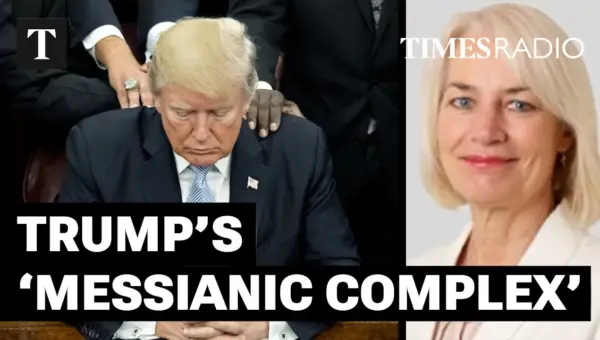
Trump’s ‘Messianic Complex’ Fuels Global Conflict, Analyst Says
Sarah Baxter, Director of the Marie Culvin Center for International Reporting, argues that Donald Trump's "messianic complex" is driving his foreign policy, potentially at the cost of domestic economic stability. The escalating conflict with Iran and rising oil prices have placed Vice President JD Vance in a difficult political position, fracturing the MAGA coalition and raising questions about future leadership within the Republican party.

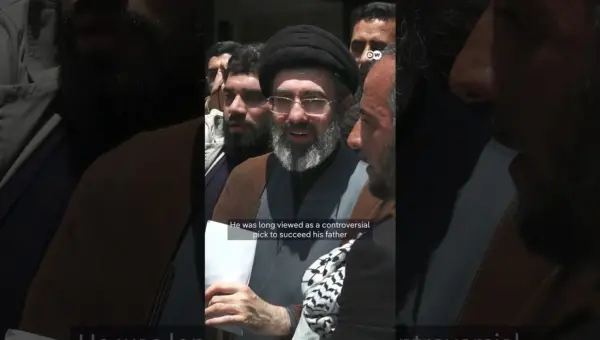
Iran Taps Khamenei’s Son as Leader, Signals Defiance
Iran's Assembly of Experts has appointed Mojtaba Khamenei, son of the late Ayatollah Ali Khamenei, as the next Supreme Leader, signaling defiance against international pressure. This controversial hardline choice, drawing parallels to dynastic succession, suggests Iran will not back down in its regional conflicts.

UK PM Must Court Trump Despite Party Backlash
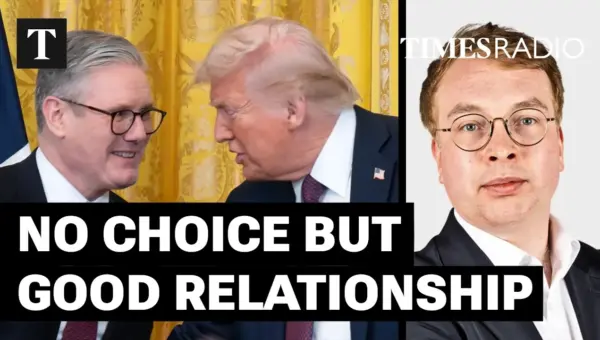
British Prime Minister Keir Starmer faces a difficult balancing act, needing to maintain a crucial relationship with the US President despite domestic criticism. Rising global tensions and economic instability add further pressure, complicating the government's agenda and public finances.