Trump’s Alliance Meltdown: Allies Refuse Help in Iran Crisis
Donald Trump faces isolation as key allies refuse to support his Iran policy, a move stemming from years of his own critical rhetoric and actions, including the controversial Greenland bid. This distrust leaves the U.S. without crucial backing.

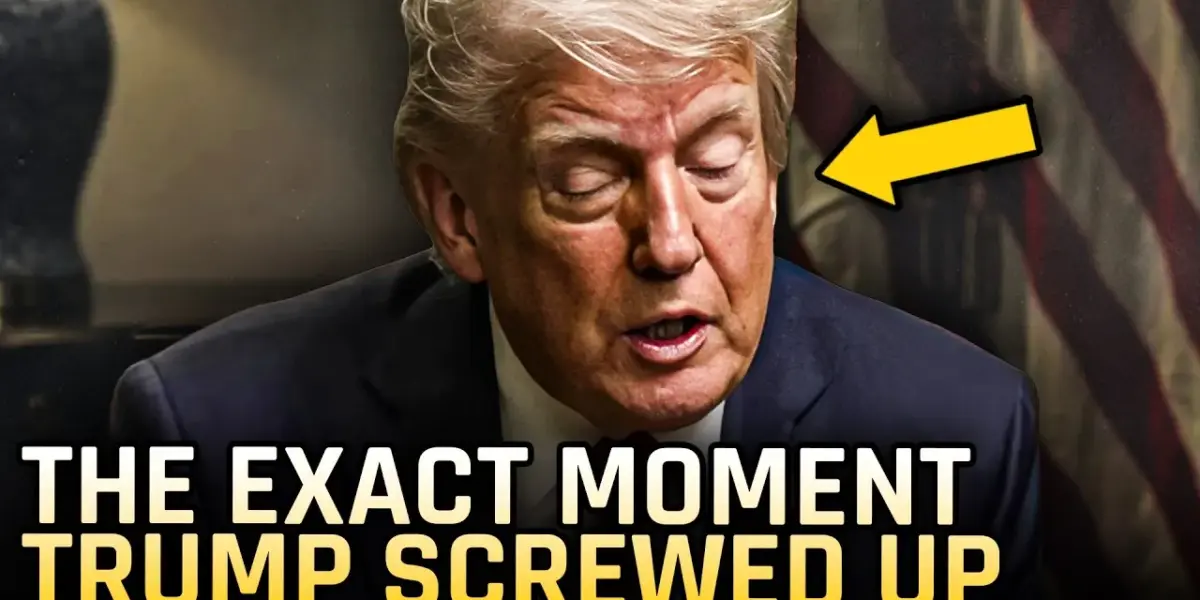
Trump’s Alliance Meltdown: Allies Refuse Help in Iran Crisis
In a critical moment for international relations, Donald Trump finds himself isolated as key allies refuse to support his actions in Iran and the Strait of Hormuz. This refusal comes after years of Trump’s own critical rhetoric and actions toward these very nations, leaving him without the backing he now claims he doesn’t need anyway.
A Pattern of Distrust
European Union nations, the UK, and other allies have made it clear they will not step in to help resolve the situation Trump has created. This decision isn’t sudden; it’s built on a foundation of distrust. Allies have long doubted Trump’s commitment to defense partnerships, especially after he publicly questioned NATO’s Article 5, a core principle of mutual defense. He also threatened to reduce U.S. military presence in Europe and often spoke dismissively about these alliances.
The Greenland Gaffe: A Breaking Point
While Trump’s questioning of NATO was concerning, a specific event acted as the final straw for many. His obsessive and widely criticized attempts to purchase Greenland from Denmark were seen as a clear sign of his personal agenda and disregard for established international norms. This move, more than anything else, convinced allies that Trump’s actions stemmed from his fundamental beliefs about alliances, not just a momentary disagreement.
“Many already doubted Trump’s commitment to their defense alliances, informed by his public questioning of Article 5, threats to reduce US deployments, and generally dismissive rhetoric. But his attempts to take Greenland were a breaking point for many.”
This perspective suggests that even if allies were impacted by the Iran situation, Trump’s past behavior made them unwilling to commit. They likely would have helped if Trump had maintained stronger relationships, but his actions pushed them away. The video’s analysis suggests that without the Greenland incident, allies might have offered support, potentially altering the course of events and even impacting gas prices in the U.S.
Self-Contradiction and Sour Grapes
Trump’s reaction to this rebuff has been predictably defiant, yet contradictory. He took to social media to declare that the U.S. no longer needs or desires the assistance of NATO countries, stating, “We never did. We do not need the help of anyone.” However, this assertion quickly unravels when compared to his earlier statements. The analysis points out the stark contrast between needing help and never needing help, calling it a sign of confusion or perhaps an attempt to save face.
This kind of communication, characterized by sudden shifts and self-contradiction, has been labeled as potentially “bipolar” by the video’s narrator, suggesting a need for self-reflection. It highlights a disconnect between Trump’s public persona and the realities of international diplomacy, where consistent and reliable partnerships are crucial.
Predictable Consequences of Arrogance
The outcome – allies refusing to cooperate – was, according to the analysis, entirely predictable. Years of alienating partners, coupled with a perceived arrogance and narcissism, have led to this point. The narrator emphasizes that this was not an unexpected development but a direct consequence of Trump’s approach to foreign policy.
The core issue, as presented, is Trump’s inability to see how his actions affect others. His belief that he is always right and that everyone loves him prevents him from understanding the negative reactions his policies generate. This disconnect means that while he may not face the direct consequences of his decisions, the American public does, through economic impacts and diminished international standing.
Why This Matters
This situation is significant because it demonstrates the real-world impact of a leader’s personal style on national interests. When a country’s allies are unwilling to cooperate, it weakens its ability to respond to international crises, whether they involve military conflicts or economic stability. The erosion of trust in alliances makes it harder to address global challenges collaboratively.
Implications and Future Outlook
The implications are far-reaching. A weakened alliance structure can embolden adversaries and make the U.S. more vulnerable on the global stage. It suggests a trend towards greater isolationism, driven by a leader who prioritizes personal relationships and perceived slights over long-term strategic partnerships. Looking ahead, rebuilding these alliances will require significant effort and a return to more traditional diplomatic approaches, emphasizing mutual respect and shared interests.
Historical Context
Historically, the United States has relied heavily on a network of strong alliances, forged after World War II, to maintain global stability and promote its interests. Organizations like NATO were built on the principle of collective security, a stark contrast to the transactional and often adversarial approach seen recently. The current friction signals a potential departure from this established foreign policy doctrine, raising questions about the future of international cooperation.
Source: Foreign Allies Pinpoint Exact Moment Trump Dug His Own Grave (YouTube)

Related Articles

US Strikes Cripple Iran’s Military Might, CENTCOM Reports
U.S. Central Command reports ongoing strikes inside Iran are significantly weakening its military power. This direct action aims to reshape regional security dynamics, but carries risks of escalation. The long-term impact depends on Iran's response and ability to adapt.

U.S. Iran Tensions Rise Amid Shifting Alliances
Rising tensions between the U.S. and Iran are creating a volatile geopolitical situation. With conflicting signals on de-escalation and potential shifts in alliances like NATO and U.S.-Israel relations, the path forward remains uncertain. The global economy and regional stability hang in the balance.


Iran Targets US With Cyberattacks, Escalating Digital Warfare
Iran is increasingly using cyberattacks to challenge the U.S., as seen in a recent hack of the FBI director's account. Experts say this is a strategic shift due to Iran's limitations in conventional warfare. The U.S. needs to strengthen its digital defenses, focusing on encryption and cloud computing, rather than solely relying on traditional security measures.