Trump’s Airport Guards: A Political Stunt or Security Solution?
Donald Trump's deployment of ICE agents to airports has sparked debate, with critics calling it a political stunt and others questioning the effectiveness of the move. The situation highlights long-standing issues with TSA understaffing and underpayment, suggesting a need for systemic solutions rather than symbolic actions.

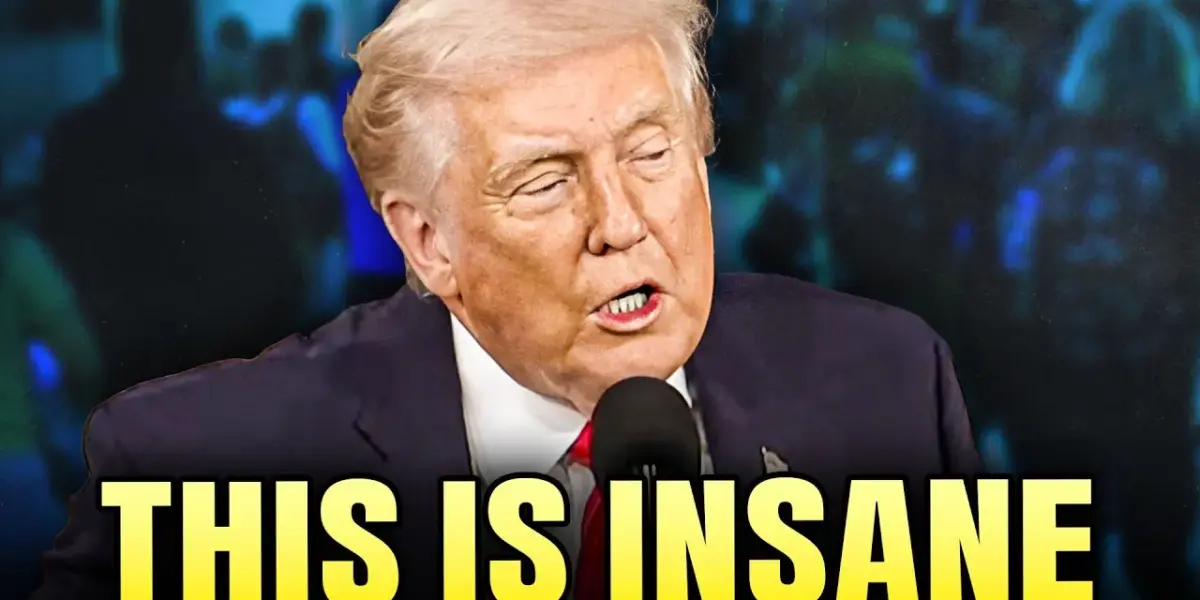
Trump’s Airport Guards: A Political Stunt or Security Solution?
Donald Trump recently deployed what some have called “juvenile ICE thugs” to American airports. These individuals, officially referred to as a “law and order special unit,” have drawn a lot of attention. Photos of these guards have circulated online, sparking varied reactions. Some people have mocked their appearance, with one social media user joking about giving them a “wedgie and stuff them in a locker.” The descriptions range from “geeky” and “scrawny” to “out of shape and overweight.” This deployment comes at a time when airport security lines are experiencing longer wait times.
The President’s Claims and Democratic Response
Despite the ongoing issues with airport wait times, Donald Trump has declared the ICE deployment a success. He claims it has triggered Democrats and suggested he might send in the National Guard to further help with airport delays. Trump has blamed Democrats for the problems at airports, stating they want the country to fail. He believes they prioritize illegal immigrants over American citizens by breaking a previously agreed-upon bill. He thanked the “ICE patriots” for their service, calling it a “big difference.”
Trump stated on social media, “Blame the Democrats for the airport’s mess. They want our country to do badly. They want our country to fail. They broke the already signed bill because they want to take care of criminals who enter our country illegally rather than American citizens. Thank you to our great ICE patriots for helping. It makes a big difference. I may call up the National Guard for more help. President DJT.”
Legal Challenges and Root Causes
However, legal experts suggest that deploying ICE in this manner could lead to lawsuits. The use of the National Guard for such a purpose would likely face similar legal challenges. Critics argue there is no real emergency at the airports to justify these actions. While acknowledging the inconvenience of long lines, the core issue is more complex than a simple government shutdown.
Understaffing and Underpayment Plague TSA
For years, the Transportation Security Administration (TSA) has faced significant problems. TSA employees have been underpaid, overworked, and inadequately trained. This situation has been made worse by a partial government shutdown, which has caused hundreds of TSA agents to miss work. This shortage existed even before the shutdown, highlighting a long-term issue of not valuing these essential workers.
A Better Approach to Airport Security
The current situation suggests a need for a different approach. Treating TSA agents as the important professionals they are is crucial. They are the last line of defense against dangerous individuals and items on airplanes. Paying them a living wage, offering good benefits, and providing proper career training could attract and retain qualified personnel. This would help eliminate bottlenecks and improve the overall efficiency of airport security, making it a career rather than just a job.
ICE Deployment: Entertainment, Not a Solution
The deployment of ICE agents has not solved the underlying problems at airports. Instead, it has provided a source of amusement for travelers stuck in long security lines. The real issues, which existed long before the government shutdown, remain unaddressed. Focusing on improving the working conditions and compensation for TSA agents is a more practical solution than political stunts.
Why This Matters
This situation highlights a broader debate about national security, immigration policy, and the proper use of government resources. The visual of armed federal agents at civilian airports is striking and raises questions about the government’s priorities. It also brings attention to the often-overlooked work of TSA agents and their challenging working conditions. The effectiveness of using federal law enforcement personnel for tasks traditionally handled by other agencies is also a key point of discussion.
Implications and Future Outlook
The controversy surrounding the ICE deployment could have lasting effects on public perception of immigration enforcement and airport security. If legal challenges succeed, it could set a precedent for how federal agencies can be deployed. Furthermore, the ongoing issues with TSA staffing and training suggest that airport security could remain a point of concern for travelers. Addressing these systemic problems, rather than relying on symbolic gestures, will be key to ensuring efficient and effective security in the future.
Historical Context
The use of federal agents in domestic situations has a complex history. While law enforcement agencies like ICE are tasked with enforcing immigration laws, their presence in civilian spaces like airports, especially in a visible and potentially intimidating manner, is often scrutinized. The debate echoes past discussions about the role of federal power within the United States, particularly when it intersects with public services and the daily lives of citizens.
Source: Trump THREATENS To Send More Armed Thugs To Airports (YouTube)

Related Articles
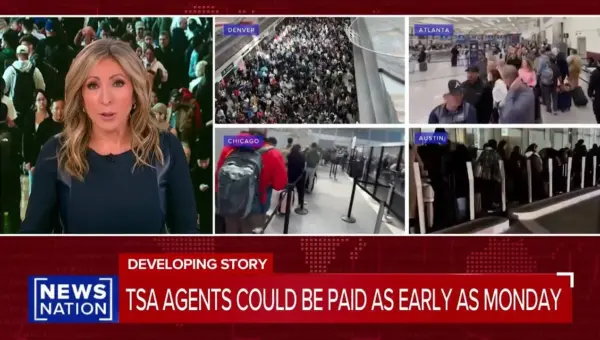
TSA Agents Face Financial Ruin After Shutdown
TSA agents are facing severe financial hardship and emotional distress due to the recent government shutdown. Even with back pay, the long-term effects of missed wages are causing significant personal and financial strain, leading to increased stress and potential staff shortages.


Congress Skips Border Security Funding, Risks National Safety
A former DHS official warns that Congress's failure to fully fund the Department of Homeland Security puts Americans at risk. Disputes over funding for agencies like CBP and ICE have led to chaos at airports and raise concerns about national security. Lawmakers are urged to pass a clean funding bill to ensure all critical security operations remain functional.

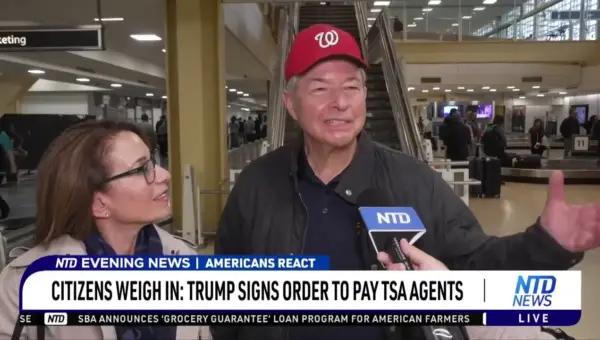
Airport Crowds Weigh In: Should TSA Agents Be Paid?
Travelers at a Washington D.C. airport shared their views on President Trump's order to pay TSA agents during a government shutdown. Opinions ranged from strong support for fair compensation to frustration with political disputes impacting workers.