Trump’s Agitation: A Nation Sees Decline
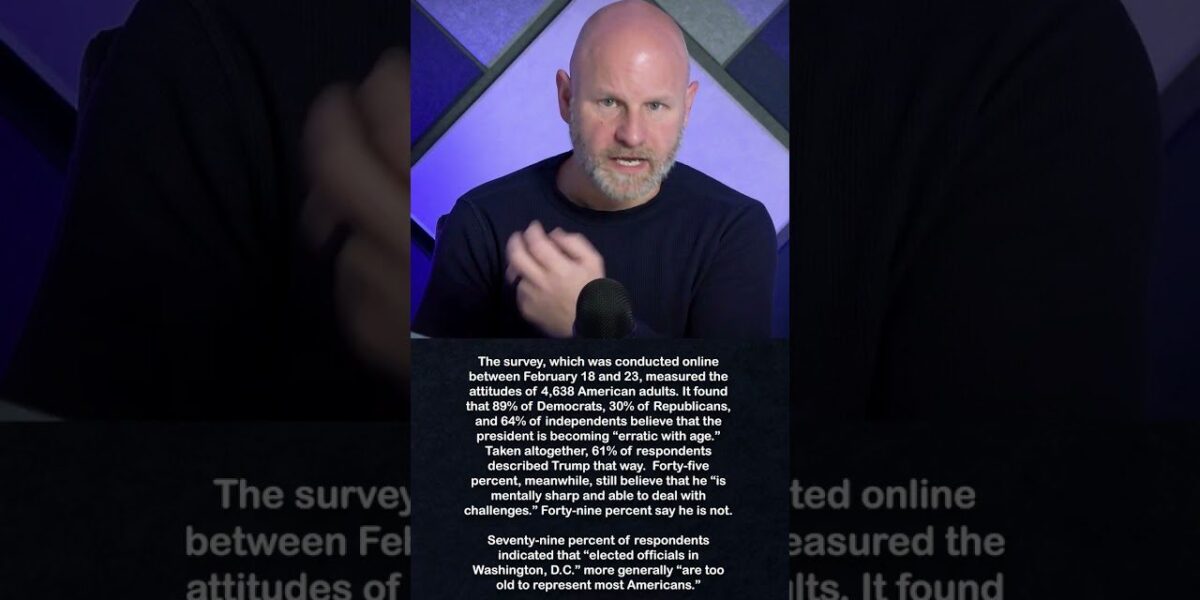
A Reuters/Ipsos poll reveals a majority of Americans perceive Donald Trump as becoming increasingly erratic with age. The findings highlight a disconnect between this perception and assessments of his mental fitness for the presidency, sparking broader questions about age and leadership.

A Nation Observes Trump’s Escalating Erraticism
A recent Reuters/Ipsos poll has ignited a national conversation, not about policy or politics, but about the perceived mental acuity of former President Donald Trump. The findings reveal a striking consensus across the American electorate: a significant majority believes Trump is exhibiting increasingly erratic behavior with age. This sentiment, widely discussed among observers, now finds statistical backing, suggesting a growing public perception of decline.
The Poll’s Stark Revelations
The poll’s data is compelling. A staggering 89% of Democrats, a notable 30% of Republicans, and 64% of Independents all agreed that the former president is becoming “erratic with age.” When aggregated, these figures show that 61% of all respondents hold this view. This widespread perception of erraticism stands in contrast to beliefs about his cognitive sharpness. While 45% of respondents still believe Trump is “mentally sharp and able to deal with challenges,” a nearly equal 49% disagree, stating he is not.
A Disconnect in Perception
The most intriguing aspect of the poll lies in the discrepancy between the perception of erraticism and the assessment of Trump’s fitness for office. While 61% see him as becoming more erratic, only 49% explicitly state his mental state is not good enough to be president. This suggests a segment of the American population acknowledges his increasingly erratic behavior but still believes he can function effectively in a presidential capacity. The poll highlights a curious cognitive dissonance: respondents may see the outward signs of agitation and volatility but still hold onto the belief in his capability to lead, or perhaps, they see the erraticism as a feature, not a bug, of his political persona.
The Broader Context of Age in Politics
Beyond the specific case of Donald Trump, the poll also touched upon the general sentiment regarding the age of elected officials. A resounding 79% of respondents agreed that elected officials in Washington D.C. are, in general, too old to represent most Americans. This broad consensus points to a deeper national unease about the age and vitality of its political leadership. While this sentiment is not new, the current political climate, marked by the advanced ages of several key figures, has brought it to the forefront. The question of whether age correlates with wisdom or with cognitive decline remains a contentious one, but the public’s perception leans towards the latter when it comes to representation.
Historical Precedents and Evolving Perceptions
Concerns about the mental fitness of political leaders are not unique to the current era. Throughout history, leaders have faced scrutiny regarding their health and cognitive abilities, particularly as they age. However, the modern media landscape, with its 24/7 news cycle and pervasive social media, amplifies these concerns and makes them more visible to the public. The constant barrage of public appearances, statements, and social media posts from figures like Donald Trump provides ample material for public assessment. What might have once been private struggles or matters of medical confidentiality are now matters of public record and widespread speculation.
Why This Matters
The Reuters/Ipsos poll, while not a definitive medical diagnosis, offers a valuable snapshot of public opinion regarding a prominent political figure. It underscores the critical role perception plays in politics. If a majority of Americans perceive a leader, or potential leader, as erratic, it can influence voting behavior, public trust, and the overall stability of political discourse. The discrepancy between perceiving erraticism and deeming someone unfit for office also raises questions about how voters weigh different attributes. Are voters more concerned with perceived stability and competence, or do they tolerate volatility if it aligns with their political ideology or if they believe it is a sign of strength?
Implications, Trends, and Future Outlook
The trend indicated by this poll suggests a growing public awareness and concern about the cognitive health of political leaders. As more information becomes accessible and the media’s role in scrutinizing politicians intensifies, this trend is likely to continue. The future may see increased demands for transparency regarding the health of candidates and elected officials. Furthermore, the poll’s findings could influence campaign strategies, with opponents potentially leveraging perceived age-related decline as a key attack vector. Conversely, supporters might continue to frame such behavior as a sign of authenticity or a refusal to conform to political norms. The challenge for the electorate will be to distinguish between genuine cognitive decline and politically motivated rhetoric or stylistic choices. The sheer number of Americans, across the political spectrum, who perceive Trump as becoming more erratic with age is a significant indicator that this is not a fringe concern, but a mainstream observation that will likely continue to shape political narratives and voter considerations.
Source: Most Americans think Trump is going NUTS (YouTube)

Related Articles
Trump’s ‘Likely Be More’ Remark Fuels Outrage and Hypocrisy Debate
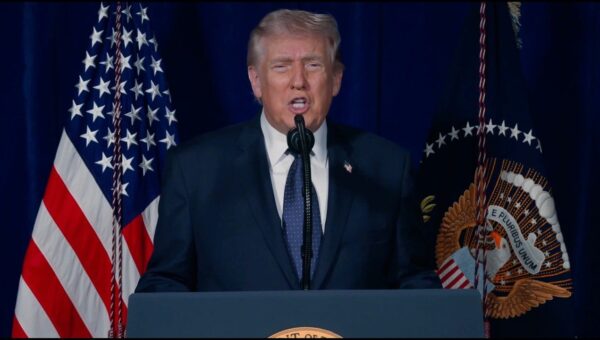
Former President Trump's "likely be more" comment following the deaths of three U.S. service members in Iran has ignited a firestorm. Critics decry its perceived callousness and highlight a stark double standard compared to the outrage over Benghazi, questioning the sincerity of political empathy and the exploitation of tragedy for partisan gain.

Trump Warns Iran Against Further Retaliation After Strikes
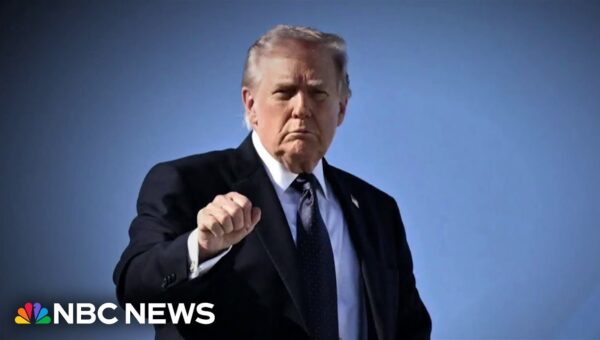
Former President Donald Trump has warned Iran against further retaliation following recent U.S. and Israeli strikes. Top administration officials are set to brief Congress this week amid growing concerns over regional stability.

Epstein’s Chilling Trump Prediction Fuels War Fears
Chilling iMessages from Jeffrey Epstein suggest a disturbing prediction of Donald Trump's potential to initiate an attack on Iran to project strength when cornered. The analysis contrasts this with Trump's 'peace president' rhetoric, highlighting recent troop deaths and raising questions about leadership and foreign policy decision-making.