Trump’s AG Pick Faces Ethics Crisis Over Epstein Files
Donald Trump's acting Attorney General, Todd Blanch, faces a significant conflict of interest due to his past as Trump's criminal defense attorney. This relationship raises questions about his ability to impartially handle sensitive cases like the Epstein files, potentially prioritizing his former client's secrets over the public's interest.

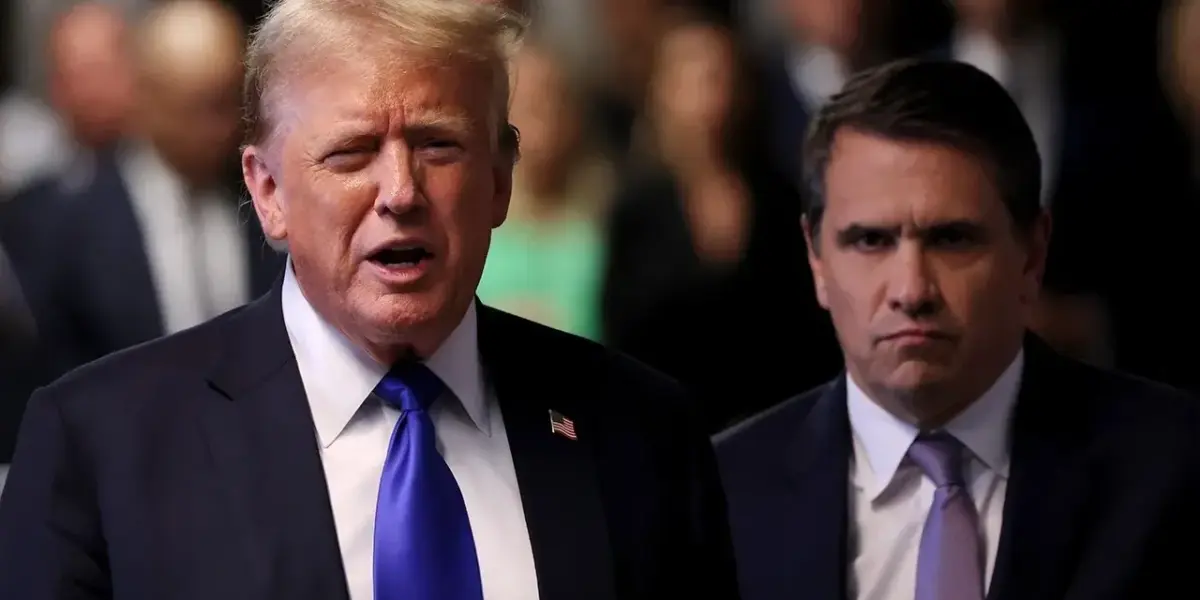
Trump’s New Attorney General Faces Serious Conflict of Interest
Donald Trump’s recently appointed acting Attorney General, Todd Blanch, has stirred significant controversy. Blanch recently appeared on Fox News, stating that the Department of Justice (DOJ) had released all Epstein-related files. However, the context of Blanch’s past as Trump’s criminal defense attorney raises serious questions about his ability to serve the public impartially.
A History of Representation, A Cloud of Conflict
Todd Blanch has a long professional history with Donald Trump, having served as his criminal defense attorney in at least three major cases. These include the New York case where Trump was convicted of 34 felonies, the classified documents case, and the January 6th capital attack case. This extensive representation means Blanch has likely heard sensitive, even incriminating, information directly from Trump.
The core of the issue lies in attorney-client privilege. This legal protection ensures that clients can speak freely with their lawyers, sharing all relevant details about their case, even if those details involve criminal activity. This privilege is meant to help attorneys build the strongest defense possible. However, this privilege extends beyond the end of a case; attorneys are bound by secrecy for life.
“The defense attorney wants to be fully informed about what the client did. So, the defense attorney can maneuver the the case. that’s presented by the prosecution.”
This means that even though Blanch is no longer Trump’s lawyer, he carries the weight of Trump’s potential criminal secrets. As acting Attorney General, his duty is to the American people. This creates a direct conflict: how can he uphold the public’s interest when he is privy to information that could protect his former client from legal consequences?
The Epstein Files: A Lingering Shadow
The Epstein files are a central point of this controversy. Reports indicate Donald Trump’s name appears thousands of times in these documents. Blanch’s initial statement about their release, suggesting they are no longer under the DOJ’s purview, has been interpreted by some as an attempt to distance the department and potentially Trump from further scrutiny. This comes at a time when the Epstein Files Transparency Act requires certain documents to be disclosed.
Critics argue that Blanch’s past role as Trump’s attorney, especially given reports of Trump paying him substantial legal fees, makes him uniquely positioned to protect Trump’s interests. The concern is that his duty of lifelong secrecy to his former client might override his duty to the public. This creates a situation where he could be seen as guarding Trump’s secrets rather than serving justice.
Pam Bondi’s Departure and Trump’s Expectations
The departure of Pam Bondi, who previously held a similar role, is also notable. While Bondi represented Trump in impeachment proceedings, not criminal cases, her handling of the Epstein files has been scrutinized. Reports suggest that Trump may have fired Bondi after she allowed certain incriminating information, including FBI interview write-ups detailing alleged assaults, to become public. This suggests Trump is looking for an attorney who will aggressively hide unfavorable information.
There’s a belief that Trump expects Blanch to succeed where Bondi allegedly failed. This includes not only protecting Trump from the Epstein files but also potentially pursuing prosecutions against Trump’s perceived enemies. However, the effectiveness of such a strategy is questionable, as the judicial system is designed to prevent such politically motivated actions.
Why This Matters
The appointment of Todd Blanch as acting Attorney General raises fundamental questions about the integrity of the Department of Justice. When the person in charge of upholding the law has a deep, ongoing personal and professional entanglement with a former president facing multiple investigations, it erodes public trust. The attorney-client privilege is vital, but it should not be used as a shield to obstruct justice or protect powerful individuals from accountability.
This situation highlights a broader trend of individuals with potential conflicts of interest being placed in positions of power. It underscores the importance of ethical standards and the need for rigorous vetting of appointees. The public deserves an Attorney General who is free from such compromising relationships and can act solely in the best interest of the nation.
Historical Context and Future Outlook
Throughout history, the role of the Attorney General has been to serve as the chief law enforcement officer of the United States, acting as a guardian of the public interest. This position demands impartiality and a commitment to justice above all else. Past administrations have faced scrutiny over appointments, but the specific nature of Blanch’s relationship with Trump, particularly concerning ongoing criminal investigations and deeply sensitive files, presents a unique challenge.
The future outlook depends heavily on how these conflicts are addressed. If Blanch continues to act as Attorney General while under such scrutiny, it could lead to further legal challenges and a decline in public confidence in the DOJ. Lawsuits related to the Epstein files are already in motion, and further legal actions could unfold. The expectation is that any appointee in such a critical role must be able to demonstrate a clear absence of conflicts that could compromise their official duties and the administration of justice.
Source: Prosecutor issues DAMNING news on Trump’s new attorney general (YouTube)

Related Articles


Trump Ditches Vance’s Call, Shows Favor for Rubio
Senator JD Vance's live rally call to Donald Trump went unanswered, leading to an awkward voicemail. The incident suggests a potential cooling of relations between Vance and Trump, with a perceived favoritism towards Senator Marco Rubio.

Trump’s Iran Threats Spark War Crimes Fears
Former President Donald Trump's extreme threats against Iran have led to a communication blackout and fears of war crimes. Iran has warned of severe regional retaliation if attacked, while international figures call for Trump's removal from office.

Trump Threatens Iran With ‘Demolition’ Amid Impeachment Talk
President Trump issued a stark warning to Iran, threatening widespread demolition of its infrastructure if a deal isn't reached. Meanwhile, domestic politics heat up as an Arizona Democrat plans to introduce articles of impeachment against Secretary of War Pete Hegseth, though success is unlikely in the current political climate.