Trump’s Actions Threaten Global Stability, Experts Warn
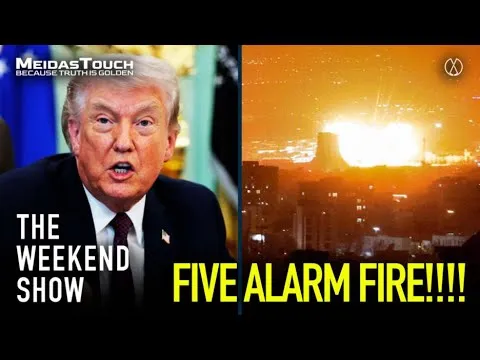
Political scientist Dr. Larry Jacobs warns that Donald Trump's actions, characterized by "incompetence, insanity and incoherence," pose a threat to global stability. The discussion on "The Weekend Show" examined specific examples and their potential impact on elections and international relations.

Trump’s Actions Threaten Global Stability, Experts Warn
Political scientist Dr. Larry Jacobs recently appeared on “The Weekend Show” to discuss the impact of Donald Trump’s actions on both domestic and international affairs. The discussion focused on concerns that Trump’s approach could lead to significant negative consequences. Dr. Jacobs expressed worry that Trump’s actions, described as “incompetence, insanity and incoherence,” could be actively damaging the global order.
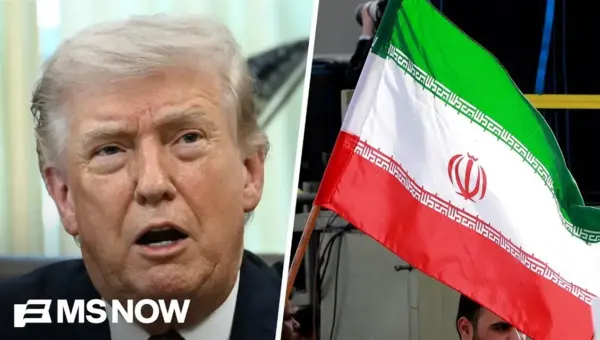
The conversation touched on several specific points that illustrate these concerns. One example was the firing of Pam Bondi, a former Florida Attorney General. Another was the ongoing discussion around Jeffrey Epstein, a financier convicted of sex offenses, and the implications of his connections. The show also highlighted Trump’s “abusive threats to Iran.” These events, according to Dr. Jacobs, are not isolated incidents but part of a larger pattern of behavior that creates instability.
Historical Context: A Pattern of Disruption
Looking back, Donald Trump’s presidency was marked by a departure from traditional diplomatic norms. His administration often challenged long-standing alliances and international agreements. This approach created uncertainty for allies and adversaries alike. The “America First” policy, while popular with his base, led to friction with key trading partners and international organizations. This period saw shifts in global power dynamics, with some countries stepping into perceived vacuums left by American leadership.
The specific examples mentioned, like the threats towards Iran, are part of a broader trend of using strong rhetoric and unpredictable actions in foreign policy. This strategy can be seen as an attempt to gain leverage, but it also carries risks of unintended escalation. The Epstein case, while a domestic scandal, also raises questions about accountability and the influence of powerful individuals, which can erode public trust.
Impact on Midterm Elections
The discussion on “The Weekend Show” also considered how these actions might affect upcoming elections, specifically the midterms. Dr. Jacobs suggested that voters’ reactions to Trump’s behavior could play a significant role. Events that create a sense of instability or concern about national security might influence how people vote. The effectiveness of political leaders is often judged by their ability to maintain order and project strength, both at home and abroad.
The midterm elections are often seen as a referendum on the current administration or the dominant political figures. If voters perceive that Trump’s actions are harming the country’s standing or safety, they might seek to elect candidates who offer a different approach. Conversely, his supporters might see his confrontational style as a sign of strength and a necessary challenge to the status quo. This creates a complex dynamic for voters trying to decide which candidate best represents their interests.
Why This Matters
The concerns raised by Dr. Jacobs are significant because they speak to the potential consequences of leadership decisions on a global scale. When a nation’s leader acts in ways that are seen as erratic or hostile, it can destabilize international relations. This instability can affect everything from trade and economic growth to peace and security. The world is interconnected, and actions taken by one major power can have ripple effects far beyond its borders.
Understanding these dynamics is crucial for citizens. It helps explain why certain international events occur and how they might impact our daily lives. The choices made by political leaders have real-world outcomes, and it is important to critically assess their actions and their potential fallout. This analysis encourages a deeper look at the substance behind political rhetoric and actions.
Trends and Future Outlook
The trend highlighted is a growing concern over the predictability and stability of international relations in the face of assertive, often unconventional, political leadership. The use of strongman tactics and direct confrontation, rather than traditional diplomacy, is a recurring theme. This approach can rally a base but also alienate allies and increase the risk of conflict.
Looking ahead, the world will likely continue to grapple with this style of leadership. The effectiveness of such strategies in achieving long-term foreign policy goals remains questionable. Many experts believe that a return to more stable, predictable diplomacy will be necessary to address complex global challenges like climate change, pandemics, and economic inequality. The future may see a push for leaders who can build consensus and foster cooperation, rather than sow division.
The discussion on “The Weekend Show” serves as a reminder that political actions have far-reaching consequences. The stability of nations and the global order depend on thoughtful leadership and responsible decision-making. As voters, understanding these dynamics helps us make informed choices about who we want representing us on the world stage.
Source: LIVE: Expert Delivers REALITY CHECK as Trump DESTROYS IT ALL | The Weekend Show (YouTube)

Related Articles
Trump’s Mail Voting Order May Backfire, Nevada Official Warns
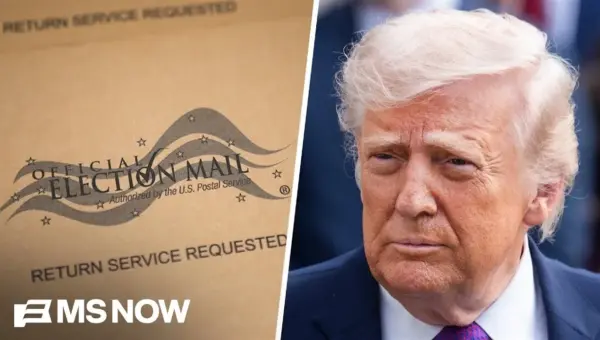
Nevada's Secretary of State Cisco Aguilar is challenging former President Trump's executive order on mail-in voting, calling it unconstitutional and confusing. Aguilar argues states, not the President, control elections and that the order could disenfranchise voters, including Trump's own supporters. The order faces legal challenges over its impact on state election administration and local budgets.
Rep. Subramaniam: Trump Misunderstands Iran, Needs Oversight on Epstein Files
Congressman Suha Subramaniam criticized President Trump's Iran strategy, stating he "completely misunderstood" the regime and its culture. Subramaniam also called for former Attorney General Pam Bondi to testify under oath regarding the Epstein files, suggesting she may be covering up for the President.
Dem Lawmaker: Trump ‘Clueless’ on Iran’s War Capability
A top Democrat on the House Armed Services Committee criticized President Trump's approach to Iran, calling his rhetoric "clueless" and damaging to U.S. alliances. Congressman Adam Smith argued that military might alone cannot achieve strategic goals and that escalation only empowers hardliners.