Trump’s Actions Demand 25th Amendment, Experts Argue
Experts and commentators are increasingly discussing the use of the 25th Amendment to remove President Trump, citing concerns over alleged corruption and reckless foreign policy decisions. The discussion highlights the strategic importance of the Strait of Hormuz and the potential for personal enrichment through presidential actions. Critics argue that Trump's presidency has worsened global instability and call for greater accountability.

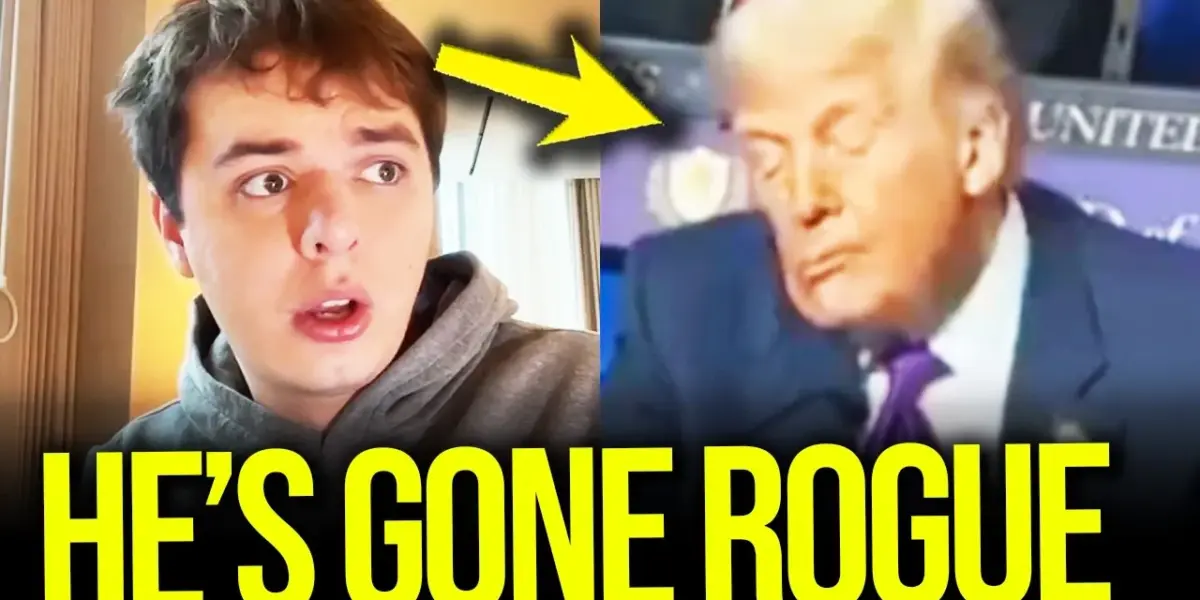
Trump’s Actions Demand 25th Amendment, Experts Argue
The idea of using the 25th Amendment to remove a sitting president from office has recently gained attention. This amendment allows for the removal of a president who is unable to perform their duties. Discussions around this have intensified, especially concerning President Donald Trump’s handling of foreign policy and alleged corruption. Some believe his actions warrant immediate removal from power.
Arguments for the 25th Amendment
Supporters of using the 25th Amendment point to what they describe as reckless decision-making and a pattern of corruption. They argue that the amendment exists precisely for situations involving a president who acts erratically or poses a danger to national security. The transcript highlights concerns about Trump’s approach to conflicts, such as the situation with Iran. It suggests that his administration’s actions have led to instability and that the American public does not support these moves.
One of the main points raised is the alleged personal enrichment of President Trump and his administration. Examples cited include the creation of cryptocurrencies like “cryptocoin” and “Melania coin” shortly before his inauguration, which are claimed to have generated billions of dollars. Further accusations involve lawsuits against law firms, universities, and media companies, as well as the use of illegal tariffs. These actions, according to the critics, demonstrate a pattern of defrauding the public for personal gain.
Micah, a commentator featured in the discussion, emphasizes that the 25th Amendment is a safeguard against a “reckless loose cannon president.” He believes that if a president is acting irresponsibly, there should be a mechanism for immediate removal, and potentially prosecution afterward. This perspective suggests that Trump’s presidency fits this description, particularly in light of what is called his “reckless” approach to war and his alleged violation of human rights.
Concerns About Corruption and Misinformation
The discussion repeatedly brings up accusations of corruption within the administration. One striking claim is that Trump is suing his own Treasury Department for $10 billion. This lawsuit is reportedly related to a leak of his tax returns, which critics argue he should have released anyway. The act of suing the government for such a large sum is seen by some as an attempt to move taxpayer money into his own pockets, especially while lecturing others about fraud.
Another point of concern is the alleged disregard for constitutional laws and the selling of pardons. These actions, if true, would represent a serious breach of public trust. The speakers express disbelief that such allegations are not considered more seriously by a significant portion of the public, including Republicans. The conversation shifts from whether impeachment is warranted to whether criminal charges should be pursued.
The Iran Conflict and Strategic Leverage
A significant part of the discussion revolves around the conflict with Iran and its implications for global stability. The Strait of Hormuz, a vital waterway for oil transport, is highlighted as a key area of leverage for Iran. The speakers suggest that Iran’s control over this strait gives it considerable power in the region and over global energy prices.
The administration’s rhetoric regarding Iran is described as inconsistent, with conflicting messages about making deals versus threatening destruction. This perceived lack of a clear strategy is seen as enabling Iran to call President Trump’s bluff. The ongoing conflict is linked to rising gas prices, which some influencers allegedly encourage the public to accept. The speakers argue that Iran is collecting revenue by tolling ships passing through the Strait of Hormuz, a move they compare to Trump’s own obsession with tariffs.
Historical context is brought up, suggesting that war games conducted since 2016 have consistently predicted these outcomes. Despite these warnings, the decision was made to proceed with actions that critics believe have made the world a more dangerous place. The speakers question the judgment of a president who considers pulling the U.S. out of NATO while also showing friendliness towards Vladimir Putin, and who proposes cutting social programs like daycare while increasing military spending.
Ideological Shifts and Political Strategy
The conversation touches on the broader political ideology behind the Trump administration. It’s suggested that the “America First” slogan has been a way to mask a return to neoconservative policies. Programs that benefit Americans, from healthcare to social services, are allegedly being targeted for cuts, with funds redirected towards tax cuts for the wealthy and military spending. This is described as a sophisticated marketing strategy that sold a populist and pro-worker image, which critics argue is the opposite of the administration’s actual policies.
The discussion also looks at historical precedents, referencing Richard Nixon and the Watergate scandal. While Nixon himself was not jailed, his associates faced legal consequences. This is brought up to suggest that accountability can and should be pursued even after a presidency ends. There’s a call for greater oversight of government actors who abuse their power, with specific mention of ICE agents potentially facing scrutiny for their actions.
Project 2025 and Democratic Reforms
Looking ahead, the conversation introduces “Project 2025” (though referred to as “Project 2029” and “Project Northstar” in the transcript, indicating an evolving name). This project aims to strengthen the government’s “guardrails” and implement reforms. It has two main parts: democratic institutional reform and policies to address the influence of special interest groups.
The goal is to combat corruption, reduce the influence of billionaires in politics, and find ways to limit corporate spending in elections, possibly by working around existing legal frameworks like Citizens United. The speakers also advocate for codifying limits on the president’s power to impose tariffs unilaterally. They argue that special interests have been nickel-and-diming Americans, leading to high prices, and that politicians need the courage to confront these powerful groups.
Conclusion: A Call for Accountability
The central argument is that President Trump has not only failed to “drain the swamp” as promised but has instead created a “sick, twisted, awful version of corruption.” The financial gains attributed to corruption during his presidency are said to have surpassed his entire real estate career. The speakers express concern that Trump’s actions, including his approach to foreign policy and alleged personal profiteering, have made the world less safe. These actions, they conclude, are worthy of the 25th Amendment or impeachment, signaling a strong call for accountability and a re-evaluation of the nation’s political direction.
Source: We NEED The 25th Amendment Now (YouTube)

Related Articles
Trump’s White House Ballroom Project Faces Legal Halt
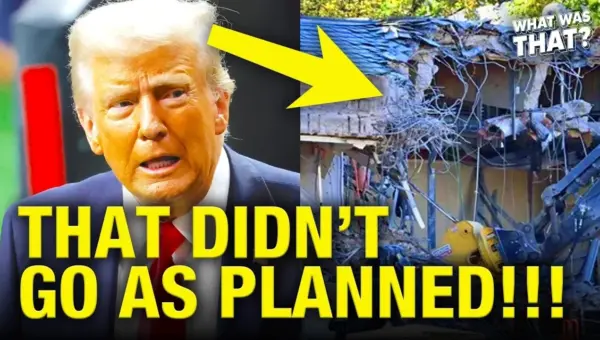
A controversial White House ballroom project initiated by former President Donald Trump has been halted by a federal judge. The ruling cited the need for congressional approval for such extensive construction on federal property. The project has faced criticism for its design, escalating costs, and the revelation of a large underground complex.

US Scrambles to Find Missing American Pilot Shot Down in Iran
The US military is intensifying its search for an American pilot shot down in Iran, amid rising international tensions. Meanwhile, wildfires rage in California, fueled by a dry winter, and astronauts on the Artemis II mission share stunning views from deep space.
Trump’s Easter Threat: War and Faith Collide
Donald Trump's Easter Sunday announcement, filled with threats of war and a call to "open the straight, you crazy bastards, or you'll be living in hell," starkly contrasted with the holiday's message of peace. Even allies questioned the jarring rhetoric. This incident highlights the complex relationship between faith, politics, and leadership.