Trump’s $200 Billion War Request Exposes Broken Promises
Reports of a $200 billion Pentagon war budget request raise questions about Donald Trump's campaign promises against "endless wars." Critics argue this massive spending conflicts with his pledge to prioritize American economic concerns and end costly foreign conflicts. The request highlights a potential disconnect between political rhetoric and policy decisions, impacting both national security and domestic finances.

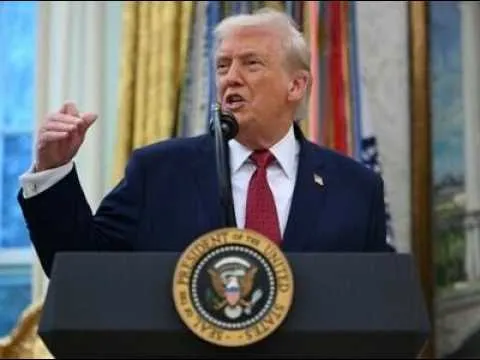
Trump’s $200 Billion War Request Exposes Broken Promises
Reports indicate the Pentagon is seeking over $200 billion for potential war efforts, a sum that dwarfs current spending. This massive budget request comes at a time when many Americans are struggling with rising costs for everyday necessities like groceries and utilities. The news has sparked questions about consistency in foreign policy and campaign promises, especially given former President Trump’s past statements against “endless wars.”
A Costly Request Amidst Economic Hardship
The Washington Post has reported that the Pentagon is asking for more than $200 billion. This amount is intended to significantly boost the production of critical weaponry. This surge in demand comes as U.S. and Israeli forces have reportedly struck thousands of targets in recent weeks. Three sources familiar with the matter confirmed the Defense Department’s substantial budget request to the Post.
Trump’s Response and Shifting Narratives
When asked about the $200 billion request, especially in light of his past promises to end wars, Donald Trump offered a complex explanation. He stated that the request is for “a lot of reasons beyond even what we’re talking about in Iran,” citing global volatility and the high cost of modern military equipment. Trump also pointed to decisions made by the Biden administration, including aid to Ukraine and the withdrawal from Afghanistan, suggesting these actions depleted military readiness. He claimed he rebuilt the military during his first term and that the current request is “very judicious” given the circumstances. However, he also placed blame on President Biden for the need for such a large sum.
Broken Promises and Economic Woes
The analysis highlights a stark contrast between Trump’s campaign rhetoric and current actions. During his campaigns, Trump frequently spoke about the rising cost of groceries, a theme that resonated with voters. He promised to end “endless wars” and bring about peace and prosperity. Yet, the current administration, under his influence, is requesting funding that could support a prolonged conflict. Critics point out that while Trump campaigned on issues like high grocery prices and underfunded infrastructure, policies enacted by Republicans have led to cuts in programs like Medicaid and food assistance. Furthermore, a trade war and the current Middle East conflict have been cited as contributors to increased oil prices for Americans.
A Pattern of Unfulfilled Commitments?
The article suggests a pattern of unfulfilled promises dating back to Trump’s first term. Promises for infrastructure reform, a new healthcare plan, middle-class tax cuts, and a manufacturing renaissance never fully materialized. The current term, according to the author, shows a similar trend with promises regarding reduced costs, cheaper groceries, lower rent, and specific policy changes like free IVF and justice for Epstein’s victims remaining unaddressed. The only concrete actions mentioned are tax cuts for himself and his family, and setting up his family with military defense roles. This leads to the central argument: that Trump’s priority is himself and his legacy, not the everyday concerns of Americans.
“The war is almost over. Why is the Pentagon going to ask Congress for an additional $200 billion?”
Question posed to Donald Trump
Historical Context and Future Outlook
The requested $200 billion is compared to the cost of the Iraq War, which reportedly cost around $140 billion per year at its peak. The sheer magnitude of the current request suggests a potentially long and costly engagement. The possibility of a return to a military draft has also been raised, causing concern for families. While the current focus is on an air campaign, the option of ground troops is reportedly being kept open, a move that contrasts with Trump’s “no more wars” pledge. The piece questions whether Trump voters will see this as a betrayal of his core promises, suggesting his rhetoric was merely a tool to gain votes, with no genuine intention of delivering on them.
Why This Matters
This situation is significant because it directly impacts the financial well-being of American citizens and the nation’s role in global affairs. The disconnect between campaign promises of peace and fiscal responsibility, and the reality of massive war spending, raises critical questions about political integrity and accountability. For voters who supported Trump based on his anti-war and pro-American economic platforms, the current situation presents a profound dilemma. It underscores the importance of scrutinizing political rhetoric against actual policy decisions, especially when those decisions involve substantial financial commitments and potential human cost. The potential for further economic strain on American families, coupled with the ongoing debate about U.S. foreign policy, makes this a pivotal moment.
Implications and Trends
The trend highlighted is one where foreign policy commitments and military spending may be prioritized over domestic economic concerns, despite campaign promises to the contrary. This raises questions about the sustainability of such policies and their impact on public trust. The reliance on social media platforms for communication also presents challenges, with concerns about censorship and the ability of independent media to reach audiences directly. The call for newsletter sign-ups suggests a proactive effort by some media creators to maintain direct communication channels with their audience, anticipating potential restrictions.
Source: BOMBSHELL: Trump makes SHOCK confession about war (YouTube)

Related Articles
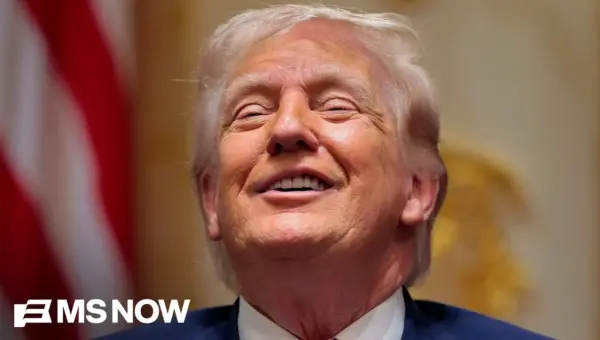
Trump’s Name Everywhere: A ‘Stain’ on GOP Legacy?
Former President Donald Trump's efforts to brand national symbols, including a proposed signature on dollar bills, spark debate. Critics view this as an authoritarian attempt to embed his legacy, potentially staining the Republican Party's history and contrasting with democratic ideals of public ownership.

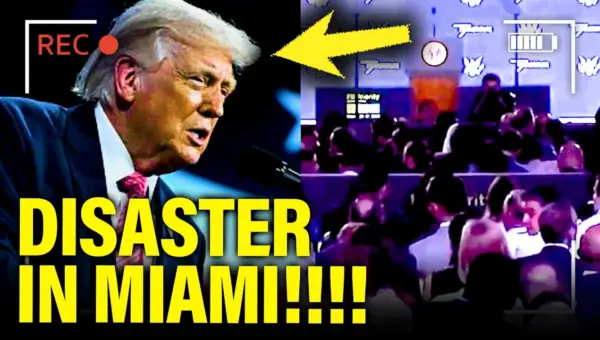
Trump’s War Talk Stuns Financial Crowd
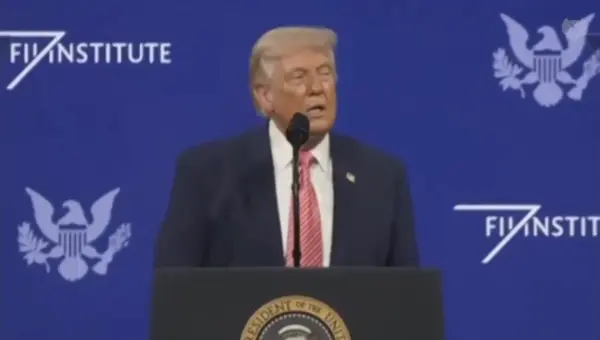
Donald Trump's recent speech in Miami focused on his foreign policy, particularly his critical views on NATO and his vision for international relations. He declared the U.S. would no longer defend NATO allies, questioned the value of existing alliances, and suggested renaming the Strait of Hormuz. The speech also touched on his personal views of success, his allies, and his perceived role as a global peacemaker.
Trump’s Warpath: New Threats Signal Imperial Ambitions
Recent statements from Donald Trump reveal a potential embrace of increased military action and interventionist foreign policy. This approach, characterized by critics as "imperialism 2.0," contrasts with his past promises of peace and has even drawn criticism from parts of his own base. The implications for U.S. global engagement and domestic priorities are significant.