Trump’s $200 Billion Iran War Bill Sparks Outrage
The U.S. military is reportedly seeking over $200 billion for the Iran conflict, sparking outrage and questions about accountability and necessity. This massive funding request follows a period of escalating tensions and critiques of former President Trump's role in initiating and managing the conflict.

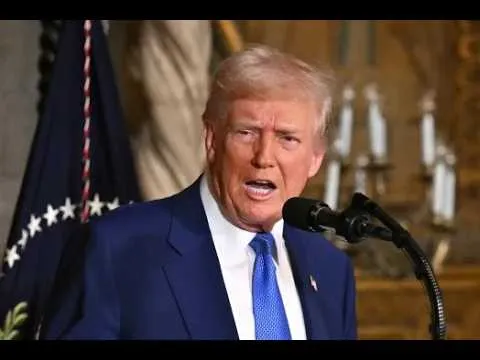
Trump’s $200 Billion Iran War Bill Sparks Outrage
The United States military is reportedly asking for over $200 billion to fund the ongoing conflict with Iran. This massive sum would significantly boost the military campaign and increase the production of weapons used in the war. The request has raised serious questions about the cost and necessity of this prolonged conflict, especially given that it was initiated without direct congressional approval, a move that goes against typical U.S. war-making procedures.
The sheer scale of the requested funding is staggering. In just the first six days of the military operation, dubbed “Operation Epic Fury,” the U.S. spent over $11 billion. This rapid expenditure highlights the immense financial burden of modern warfare. For perspective, the video suggests that the $11 billion spent in less than a week could fund all furloughed TSA workers for an entire year, illustrating a stark contrast in national priorities.
The Pentagon’s Justification and Public Scrutiny
When questioned about the enormous $200 billion request, Pentagon officials cited global volatility and the unthinkable cost of modern weaponry. However, this explanation was met with skepticism. A reporter pointed out that asking for such funds from an agency that hasn’t passed an audit in eight years raises concerns about financial accountability. The description of the U.S. military as “tippy top” was also questioned, with critics arguing that such language might not effectively intimidate adversaries.
Adding to the controversy, former President Donald Trump, who often boasted about his projects coming in under budget, has been a central figure in the lead-up to this conflict. The narrative presented suggests that Trump believed he had crippled Iran’s nuclear capabilities, expecting this to give him significant leverage in negotiations. He reportedly sent his real estate advisors, Jared Kushner and Steve Bannon, to broker a deal. When Iran did not yield as expected, the situation reportedly escalated, leading to the current military engagement.
Trump’s Role and Shifting Narratives
“The war is almost over. Why is the Pentagon going to ask Congress for an additional $200 billion?” – Reporter questioning military funding.
Trump’s own statements on the matter have been contradictory. He claimed that he would “stop wars” and not start them, yet the current situation involves a significant escalation and a massive funding request. He also criticized President Biden’s handling of military aid, particularly to Ukraine, suggesting that such actions depleted U.S. stockpiles and necessitated the current request for more funds. This narrative implies that if Ukraine had been supported more effectively to defeat Russia, the U.S. might not be in its current predicament with Iran, which is reportedly receiving aid from Russia.
The video criticizes Trump’s approach, likening it to a “degenerate gambler” with national funds. It suggests that his actions are driven by a personal dislike of being told no, rather than strategic geopolitical necessity. The argument is made that there was no imminent threat from Iran, and the current military actions are a result of Trump’s frustration and a desire to punish Iran for not complying with his demands.
Domestic Rhetoric and Political Division
The analysis extends to Trump’s rhetoric regarding domestic opponents. It draws a parallel between his descriptions of foreign adversaries and his criticisms of Democrats, media outlets, and protesters. The transcript highlights instances where Trump labeled Democrats as “Marxists who hate America” and suggested that political opponents were “shutting it down” and part of “radical elements.” This framing, the video argues, is dangerously divisive and could be used to justify aggressive actions against perceived domestic enemies.
The piece suggests that Trump’s “America First” slogan has been used to justify policies that harm the country, such as making healthcare and groceries less affordable, failing to create jobs, and neglecting infrastructure and education, all while requesting billions for a war. The author implies that Trump’s actions are driven by personal gain and a pattern of deception, characterizing his presidency as a con that has damaged America’s standing globally.
Why This Matters
The immense financial commitment to the Iran conflict raises critical questions about national priorities and the responsible use of taxpayer money. The lack of clear congressional approval for the war’s initiation, coupled with the massive funding request, bypasses democratic oversight. Furthermore, the debate surrounding the military’s budget and its effectiveness highlights the need for transparency and accountability within the Department of Defense, which has struggled with financial audits for years.
Implications and Future Outlook
This situation underscores a concerning trend in international relations where personal diplomacy and impulsive decisions can lead to costly military engagements. The reliance on non-traditional negotiators like real estate developers for complex foreign policy issues raises questions about the expertise and long-term strategy involved. The potential for escalating conflicts, fueled by geopolitical rivalries and domestic political agendas, poses a significant risk to global stability.
The video concludes with a stark warning about the current political climate, where powerful administrations can influence social media platforms to suppress critical voices. This makes independent media crucial for providing alternative perspectives and holding power accountable. The author urges viewers to consider supporting independent journalism directly, as the longevity of such platforms may depend on audience engagement and financial backing in an increasingly controlled information environment.
Source: Trump DESTROYS his presidency with INSANE move | Another Day (YouTube)

Related Articles
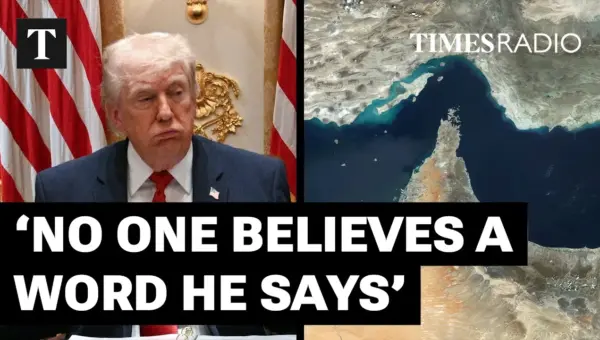
Trump’s Oil Market Influence Wanes Amidst Global Instability
Former President Donald Trump's attempts to influence oil markets have reportedly failed, raising concerns about his diminishing credibility. Analysts compare his approach to "the boy who cried wolf," suggesting a loss of trust among market participants. The discussion also touched upon the use of personal devices for government communication and the vetting of political candidates amidst controversial remarks.

Trump’s War Talk Distracts as World Burns
As global conflicts escalate and economic pressures mount, Donald Trump's focus on past grievances and symbolic wins overshadows pressing issues. His rhetoric, including questionable claims about ending wars and strategic use of terminology to bypass Congress, raises concerns about leadership and national priorities.

Iran War Escalates, Allies Join Fight for Strait of Hormuz
The conflict in the Middle East intensifies as Iran faces expanded strikes from Israel and retaliatory attacks across the region. The U.S. deploys thousands more troops and offers a 15-point deal, while the Houthis of Yemen join the fray with a missile attack on Israel. Allies are preparing to help secure the vital Strait of Hormuz.