Trump’s 107-Minute Speech: A Rally, Not State of the Union
Former President Donald Trump delivered a record-breaking State of the Union address lasting nearly two hours, which analysts described as a political rally rather than a traditional address. The speech heavily focused on immigration and the economy, marked by combative rhetoric and attempts to galvanize his base amidst declining approval ratings.

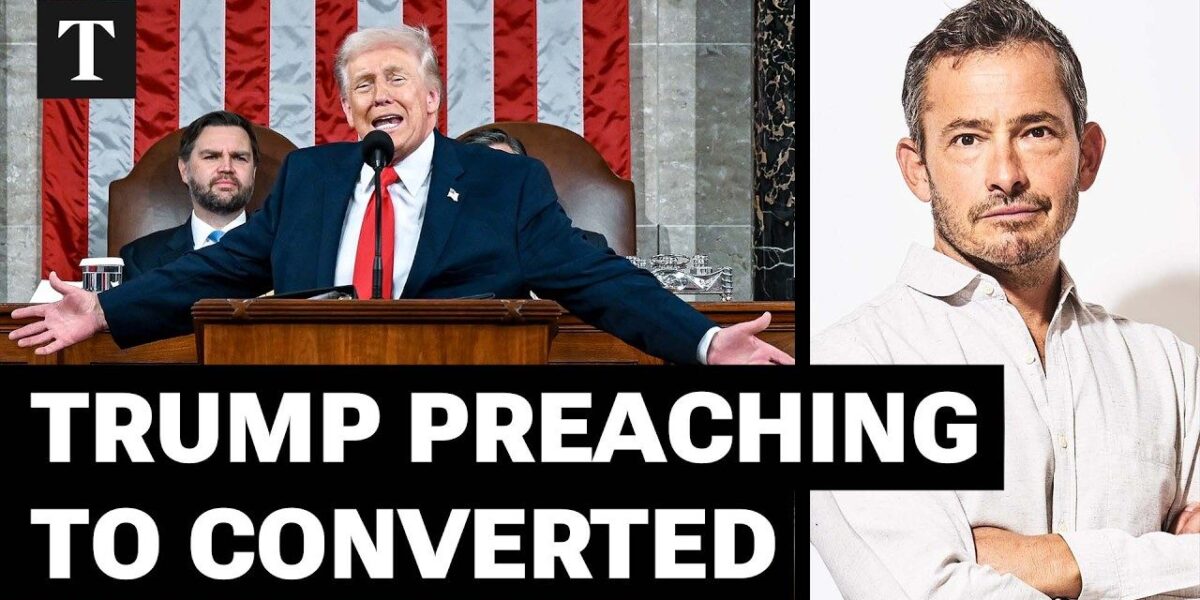
Trump Delivers Marathon Speech, Blurring Lines Between Rally and Address
In a political address that shattered historical records for length, former President Donald Trump delivered a State of the Union address lasting an astonishing hour and 47 minutes. The marathon speech, which observers characterized more as a political rally than a traditional State of the Union, focused heavily on domestic issues, particularly immigration and the economy, while employing a combative tone aimed at galvanizing his base and drawing sharp contrasts with the Democratic party.
Antagonism and Applause: The Chamber’s Reaction
The atmosphere within the chamber during Trump’s address was described as “testy” and “punchy,” marked by significant heckling and orchestrated applause. The former President frequently paused his remarks to elicit standing ovations from Republican lawmakers, a tactic that contributed to the speech’s extraordinary duration. One particularly charged moment involved Trump’s strong condemnation of “sanctuary cities,” urging lawmakers to “be ashamed of yourself” for protecting what he termed “criminal aliens.” He demanded “serious penalties for public officials who block the removal of criminal aliens,” painting a stark picture of “drug lords, murderers all over our country” being allowed to remain. This segment highlighted the deep partisan divisions and the confrontational style that defined much of the evening.
“You should be ashamed of yourself not standing up. You should be ashamed of yourself. That is why I’m also asking you to end deadly sanctuary cities that protect the criminals and enact serious penalties for public officials who block the removal of criminal aliens. In many cases, drug lords, murderers all over our country. They’re blocking the removal of these people out of our country. And you should be ashamed of yourself.”
Economic and Immigration Focus Amidst Declining Approval
Despite the theatrical delivery and focus on domestic policy, the speech comes at a time when Trump’s approval ratings have seen a steady decline. According to analysis, more than half of Americans polled disapprove of him overall, though his approval remains above 30%. Contributing factors cited include persistent high prices, a slow creep in unemployment rates, and widespread disapproval of his foreign policy stances, which have reportedly damaged America’s reputation as a reliable ally. Political analysts suggest that Trump’s emphasis on the economy and immigration was a strategic attempt to define the upcoming midterm election battleground against Democrats, particularly as his core promises on immigration have not yielded the expected results for his supporters.
A Communicator’s Style: Rhetoric and Repetition
Commentators acknowledged Trump’s undeniable effectiveness as a communicator, noting his use of vivid, sometimes disturbing language. References to “blood running down the aisle” and “blood when he was talked about people being attacked by immigrants” were highlighted as particularly visceral. His technique of repetition, often using phrases like “a lot of people, a lot of people people are saying,” was identified as a key element of his persuasive, albeit polarizing, style. This rhetorical approach, while compelling to his base, was also critiqued for suggesting “stasis” rather than persuading new voters. The extended duration of the speech drew comparisons to historical figures, with one observer noting that Hitler’s speeches also averaged similar lengths, contrasting it sharply with Winston Churchill’s famously concise addresses.
“An hour and 50 is is a rally which is not what the State of Union is really meant to be.”
Exploiting Tragedy and Reinforcing Narratives
A particularly poignant and disturbing aspect of the speech involved Trump highlighting the deaths of individuals, often at the hands of immigrants, and calling for the victims’ family members to stand and be applauded. This tactic, which invoked comparisons to historical propaganda, was seen as a way to emotionally charge the narrative around immigration and to reinforce his core message. The repeated emphasis on immigrants being detrimental to the country, coupled with claims of their removal, served to underscore a central theme of his presidency and campaign. However, the factual basis for some of his claims, such as the extent of unemployment reduction, was questioned, with data suggesting only marginal decreases rather than the significant gains implied.
Looking Ahead: Midterms and Political Fallout
As the midterm elections approach, the long-term impact of Trump’s rally-style State of the Union remains to be seen. While his communication skills continue to command attention, the divisive rhetoric and focus on reinforcing existing narratives may prove insufficient to sway undecided voters or overcome declining approval ratings. The upcoming electoral contests will likely reveal whether this strategy of prolonged, rally-like addresses effectively mobilizes his base or alienates a broader electorate, potentially impacting the Republican party’s performance in key races.
Source: Trump’s 107-Minute Speech Was ‘A Rally, Not A State Of The Union’ | Giles Coren (YouTube)

Related Articles

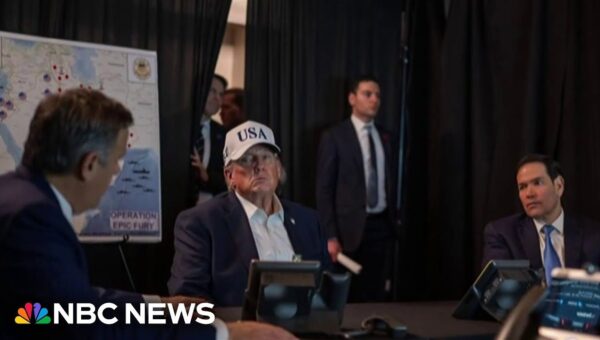
Trump: Iran Strikes Ahead of Schedule, Expects ‘Great Deal for World’
Three U.S. service members have been killed amid escalating conflict with Iran, President Trump confirmed. He stated that strikes are ahead of schedule, with senior Iranian leaders killed, and expressed optimism for a "great deal for the world" despite ongoing talks with Iranian officials.
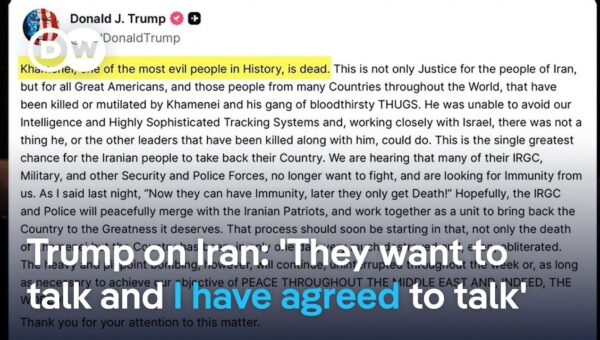
Trump Agrees to Talks with Iran After Major Strikes
President Donald Trump has agreed to talks with Iran's leadership following coordinated strikes that reportedly killed key figures, including the Supreme Leader. While Trump claims significant military successes, U.S. strategy remains unclear, and public opinion shows limited support for the actions amid rising American casualties.

Trump’s Putin Stance: US Strategy and Global Implications
Analysis suggests Donald Trump's approach to the Ukraine war involves pressuring Kyiv, but US involvement is crucial for resolution. China's influence and the 'MAGA' agenda's geopolitical implications are key factors.