Trumpism’s Fall? Voters Spark a Movement for Change
A powerful speech challenges the current political direction, urging voters to become active participants. It calls for accountability, a focus on working-class needs, and a vision for a future with healthcare for all and serious climate action. The movement aims to mobilize voters for upcoming elections to bring about significant change.

Trumpism’s Fall? Voters Spark a Movement for Change
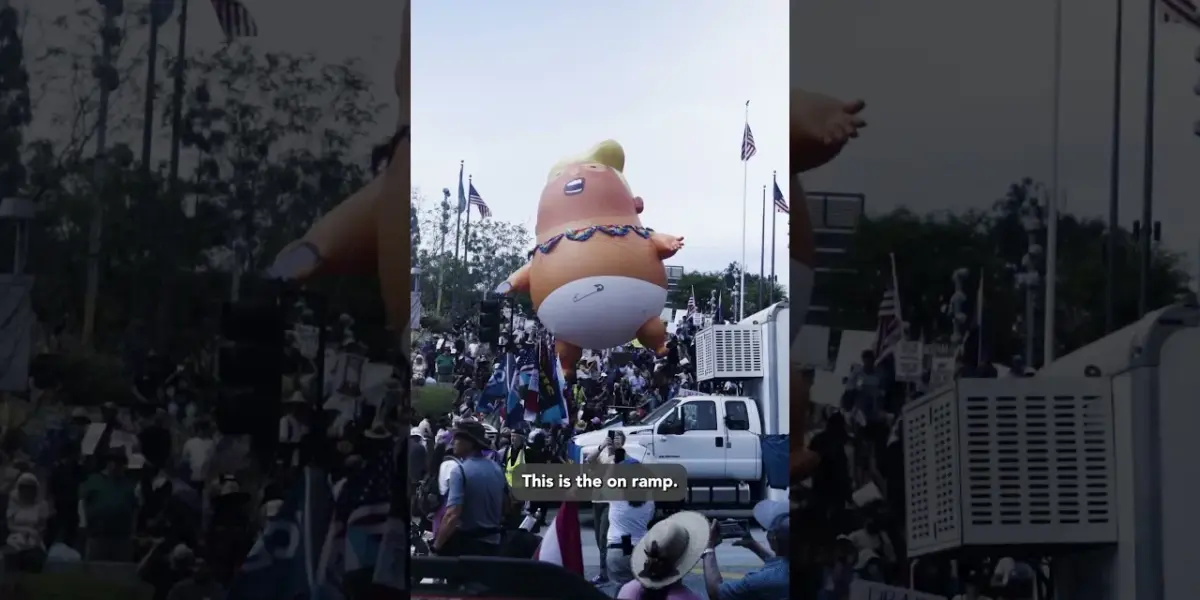
The political landscape is buzzing with a powerful message: the era of “Trumpism” might be drawing to a close. A recent speech by Brian Tyler Cohen, delivered at what he called the “biggest protest in American history,” laid out a bold vision. It’s a vision where voters are not just spectators but active participants, ready to reclaim their government. Cohen’s words echo a growing sentiment that many Americans feel left behind by the current political direction. He questioned the absence of pro-Trump parades, suggesting a disconnect between the former president’s supporters and the actual voting process. This points to a deeper issue: are political rallies truly reflecting the will of the people, or is the real power found at the ballot box?
A Bill of Goods and Broken Promises
Cohen didn’t hold back in criticizing the Republican party. He argued that the party has betrayed its promises to the working class. Instead of championing everyday Americans, he claims they’ve prioritized the interests of an elite group, which he referred to as the “Epstein class.” This is a strong accusation, implying that policies have favored the wealthy and powerful over ordinary citizens. He highlighted specific concerns like the use of government funds for military actions abroad, rather than for domestic needs such as healthcare and food assistance. This suggests a government that has lost touch with the needs of its people.
When your government decides that it is no longer accountable to the people. When the president views himself as a king and the majorities in Congress view themselves as appendages of their leader, they think that they can ignore popular pressure.
The Power of the People’s Voice
The core of Cohen’s message is about accountability and citizen engagement. He asserted that when leaders act like kings, ignoring the public, they make a mistake. He pointed to the massive protest as proof that ignoring people’s voices is becoming increasingly difficult. This gathering, he stressed, was not an end in itself. Instead, it was the starting point, the “on-ramp” to a larger movement. The attendees were urged to become messengers, spreading this energy to those who don’t always follow politics closely.
Beyond the Protest: A Call to Action
Cohen’s speech was more than just a rallying cry; it was a strategic blueprint. He emphasized the need to channel the passion felt at the protest into sustained action. The goal is to mobilize voters between now and the upcoming elections in 2026, and then again in 2028. The ambition is clear: to win back control of the House of Representatives, the Senate, and ultimately, the White House. This is a call to relegate “Trumpism” to the history books.
A Vision for a Different America
The ultimate aim is to build a country that reflects different priorities. Cohen outlined a future where everyone has healthcare, a serious approach is taken to climate change, and education and infrastructure are fully funded. He also spoke of ending corporate welfare and holding corrupt officials accountable. This vision paints a picture of a nation that prioritizes its citizens’ well-being and operates with integrity, moving away from what he described as policies benefiting the wealthy and powerful.
Why This Matters
This speech is significant because it represents a clear challenge to the current political establishment. It speaks to a desire for fundamental change and a return to government accountability. The call to action, urging everyday people to become political messengers, highlights a potential shift in how political movements are built. If successful, this could lead to major policy changes in areas like healthcare, climate, and economic fairness. The focus on sustained engagement beyond a single event is crucial for any lasting political impact.
Implications and Future Outlook
The implications of this movement are far-reaching. It suggests that voter apathy can be overcome with strong messaging and a clear vision for the future. The strategy of targeting multiple election cycles shows a long-term commitment. The focus on specific policy goals, like universal healthcare and climate action, could shape the national political debate. The future outlook depends on the ability of this movement to translate protest energy into concrete votes and sustained organization. If they can effectively mobilize voters and win elections, we could see a significant reshaping of American politics.
Historical Context
Throughout American history, citizens have organized and protested to demand change. From the Civil Rights Movement to the anti-war protests of the 1960s, grassroots movements have often been the engine of significant political and social reform. This current call to action shares similarities with past movements that sought to hold power accountable and redirect national priorities. The emphasis on voter turnout and sustained engagement is a tactic tested and proven effective in various historical contexts, aiming to shift the balance of power through democratic means.
Source: Brian Tyler Cohen's full No Kings speech (YouTube)

Related Articles


ICE Chief’s Stress Signals Deeper Issues in Immigration Policy
Reports indicate that the acting director of ICE has been hospitalized multiple times due to stress from enforcing the Trump administration's immigration agenda. These incidents, including panic attacks, highlight the intense pressure faced by leaders in immigration enforcement. The situation raises questions about accountability and the human cost of these policies.

De Niro Rallies Against ‘Would-Be Kings’ on No Kings Day
Robert De Niro delivered a powerful message on 'No Kings Day,' urging citizens to resist perceived authoritarian tendencies in leadership. He praised Minnesota's courage in nonviolent protest against government forces, framing the day as a hopeful start to ongoing efforts against those who fear losing power.

Social Media Giants Face Legal Reckoning Over Child Harm
Juries have recently found Meta and YouTube liable for harming children, marking a significant legal shift. This, coupled with legislative efforts like the Kids Online Safety Act, signals a growing demand for social media accountability regarding child safety and mental well-being.